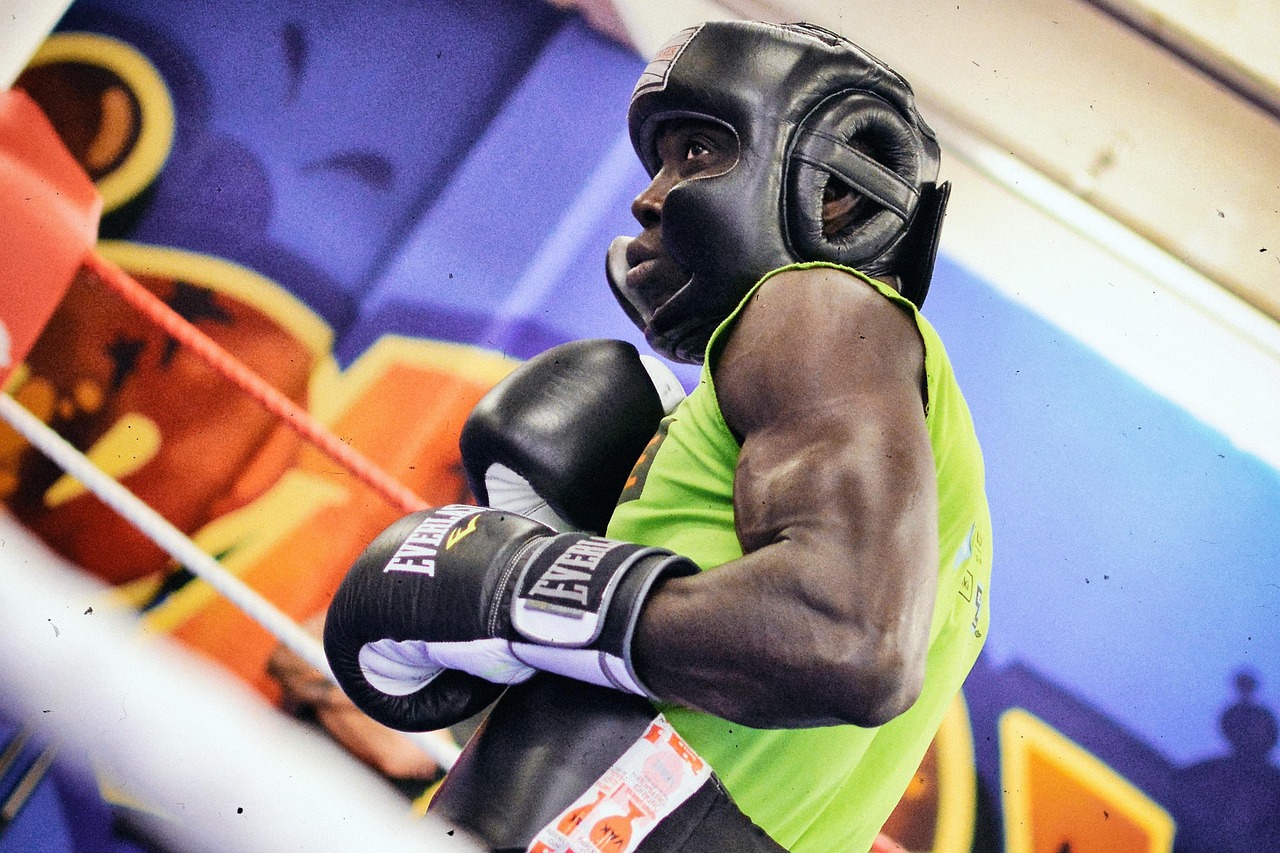
Kansas City boxing is best understood as an amateur boxing city with a deep Golden Gloves spine. It has professional history, forgotten contenders, neighborhood gyms, and tough local fighters, but its most durable boxing institution is the Kansas City Golden Gloves. That gives the city a different identity from major prizefight capitals. Kansas City is not Las Vegas, New York, or Philadelphia. Its boxing culture is built around tournaments, clubs, coaching, and the long work of keeping the sport alive across generations.
The Kansas City Golden Gloves tradition dates to 1936 and has been described as one of the city’s longest-running sporting institutions. In 2025, the championships marked their 90th anniversary with three nights of Olympic-style amateur boxing at Memorial Hall in Kansas City, Kansas. That continuity matters. A city can host an occasional professional fight without having a boxing culture. Kansas City has something more rooted: an amateur structure that gives young fighters a place to enter the sport, test themselves, and become part of a local lineage.
That Golden Gloves identity shapes the way boxing functions in the metro area. The sport is less about a single superstar and more about a network: gyms, coaches, families, local tournaments, and fighters crossing between Kansas and Missouri. Kansas City’s geography matters here. Boxing does not stop at the state line. A fighter from Kansas City, Kansas, and a fighter from Kansas City, Missouri, may be part of the same local fight ecosystem, even if their addresses tell a different administrative story.
The city does have professional history, and Tommy Campbell is the name that deserves more attention. Campbell, a Kansas City, Kansas native, became one of the world’s top lightweights in the late 1940s and early 1950s. Local historical accounts describe him as a highly accomplished fighter whose career was damaged by his refusal to submit to mob-controlled boxing interests. That gives Kansas City boxing a familiar but painful boxing theme: talent can be real, but the business of boxing often decides how much of that talent becomes widely remembered.
Modern Kansas City boxing depends heavily on club culture. The Kansas City Golden Gloves organization describes itself as the area’s long-standing traditional boxing club and connects fighters to gyms around the metro. That kind of infrastructure is essential because amateur boxing cannot survive on nostalgia. It needs places where beginners can learn footwork, defense, conditioning, and ring discipline before they are ready to compete.
The city’s boxing scene also reflects the broader Midwest fight tradition. Kansas City fighters are often shaped by regional tournaments, local smokers, amateur championships, and trips to compete elsewhere. The path to national recognition usually runs through consistency rather than sudden exposure. Fighters must win locally, handle regional pressure, and then prove they belong at national amateur events or on professional cards outside the metro.
Kansas City’s future as a boxing city depends on preserving that amateur base while giving more visibility to its fighters and trainers. It does not need to pretend to be a global fight capital. Its boxing value is different. Kansas City is a place where boxing survives through institutions, memory, and local commitment. The Golden Gloves tradition gives the city a backbone, Tommy Campbell gives it a professional ghost worth remembering, and the current gym network gives young fighters a reason to believe the next chapter can still be written.