Boxing in South Carolina is defined by one enormous heavyweight shadow: Joe Frazier. The state is not usually described as a major American fight capital in the way New York, Philadelphia, Las Vegas, Los Angeles, or Texas are, but South Carolina’s boxing identity carries unusual weight because one of the most important heavyweights in history was born in Beaufort. Frazier’s career belongs competitively to Philadelphia, where he developed into a world-class professional, but his origin story belongs to the South Carolina Lowcountry. That gives boxing in the state a particular character: less about a dense professional fight circuit and more about toughness, amateur development, regional gyms, and the memory of a fighter whose style became a permanent part of heavyweight boxing language. Frazier was born in Beaufort, became a 1964 Olympic gold medalist, held the undisputed world heavyweight title from 1970 to 1973, and remains best known for his rivalry with Muhammad Ali.
South Carolina’s boxing history is not built around one single metropolitan ring center. Instead, it is spread across cities and communities where boxing has often functioned as a discipline sport: Columbia, Charleston, Greenville, Spartanburg, Rock Hill, Myrtle Beach, and smaller towns with local clubs. The state does not have the same volume of professional shows as larger fight markets, but it does have a meaningful amateur structure. The South Carolina Golden Gloves remains one of the clearest markers of the state’s boxing infrastructure, serving as a state selection tournament whose elite winners can move on to the Southeast Golden Gloves Tournament of Champions. That matters because in a state without a deep year-round professional fight economy, amateur tournaments are often where boxing culture becomes visible.
Frazier’s importance to South Carolina boxing is not just that he was famous. It is that his fighting identity matches the mythology people often attach to Southern boxing: pressure, endurance, physical labor, and a willingness to close distance against bigger or more celebrated opponents. His left hook, crouching pressure, and relentless pace made him one of the defining heavyweights of the 1970s. For South Carolina boxing pages, he should not be treated as a quick name-drop. He is the central bridge between the state’s rural sporting roots and the global stage of Madison Square Garden, heavyweight title fights, and Olympic boxing.
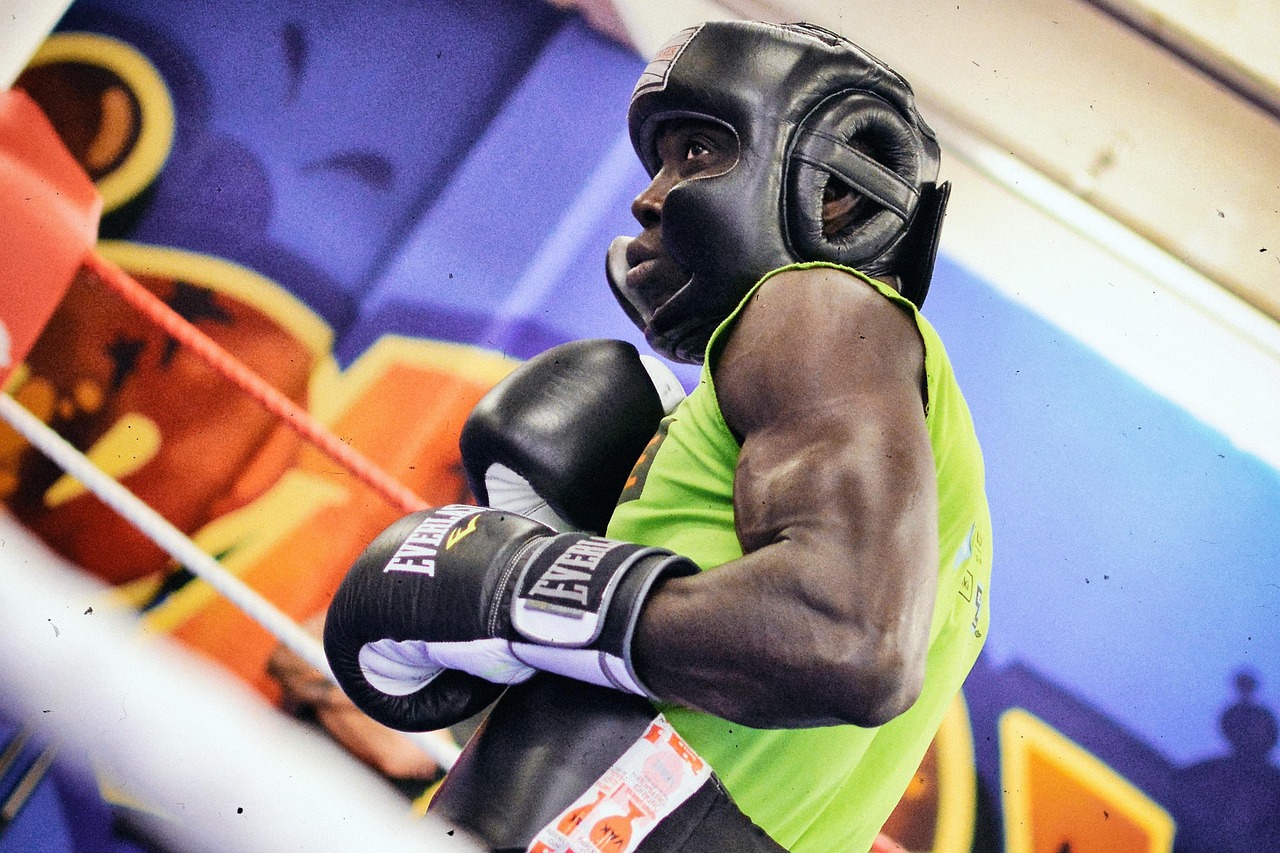
The current boxing scene in South Carolina is more developmental than glamorous. Clubs and gyms are the foundation. Places like Rock Hill Boxing Club present boxing as both technical training and conditioning, which reflects how the sport often works in smaller U.S. boxing markets: part competitive pathway, part youth discipline, part fitness culture, and part community institution. South Carolina fighters who want to rise beyond the local level generally need to connect with regional tournaments, Southeast amateur events, and professional opportunities in nearby states such as North Carolina, Georgia, and Florida.
That regional reality gives South Carolina boxing a practical identity. It is not a state where every city has a major professional fight calendar, but it is a state where serious fighters can be built from the ground up. The amateur system matters. Local coaches matter. Golden Gloves events matter. Military communities and smaller gyms matter. The state’s boxing story is strongest when framed around development, toughness, and lineage rather than spectacle.
South Carolina’s future in boxing will likely depend on how well its local clubs connect young athletes to regional competition. The state has enough population, enough athletic culture, and enough combat-sports interest to keep boxing active, but its strongest role is as a producer and developer rather than a national fight destination. Frazier gives South Carolina a permanent place in boxing history. The work now is carried by the gyms, coaches, and amateur fighters trying to turn that legacy into a living scene.