Jakarta’s boxing scene sits at the center of Indonesian boxing’s modern rebuild. Indonesia has produced world champions, respected regional contenders, and durable prizefighters, but Jakarta gives the sport its largest stage: the capital’s gyms, media attention, fight cards, and national boxing networks all pull ambitious fighters toward the city. Boxing in Jakarta is not just about one famous arena or one old neighborhood gym. It is a meeting point for Indonesian fighters coming from Java, Sumatra, Kalimantan, Sulawesi, Papua, and other regions, trying to turn local talent into national recognition.
The country’s professional boxing identity is most often associated with names like Chris John and Daud Yordan. Chris John became Indonesia’s defining modern champion, holding the WBA featherweight title across a long reign and helping prove that Indonesian fighters could operate on the world-title stage. Daud Yordan, from West Kalimantan, carried that international credibility into another generation, becoming one of Indonesia’s most visible professional boxers and a symbol of the sport’s reach beyond Jakarta itself. Their 2011 fight in Jakarta was treated as a major domestic boxing moment because it brought two of Indonesia’s biggest names into the same ring in the capital.
That relationship between Jakarta and the rest of Indonesia is central to understanding the city’s boxing culture. Jakarta is not always where the best fighters are born, but it is often where boxing becomes bigger. Fighters arrive for better sparring, better matchmaking, better visibility, and better access to sponsors or promoters. The city’s boxing rooms are a bridge between grassroots Indonesian boxing and the wider Asian professional circuit. A boxer who can win locally, hold up in Jakarta sparring, and perform on a capital-city fight card has a clearer route toward regional titles, televised bouts, and international management.
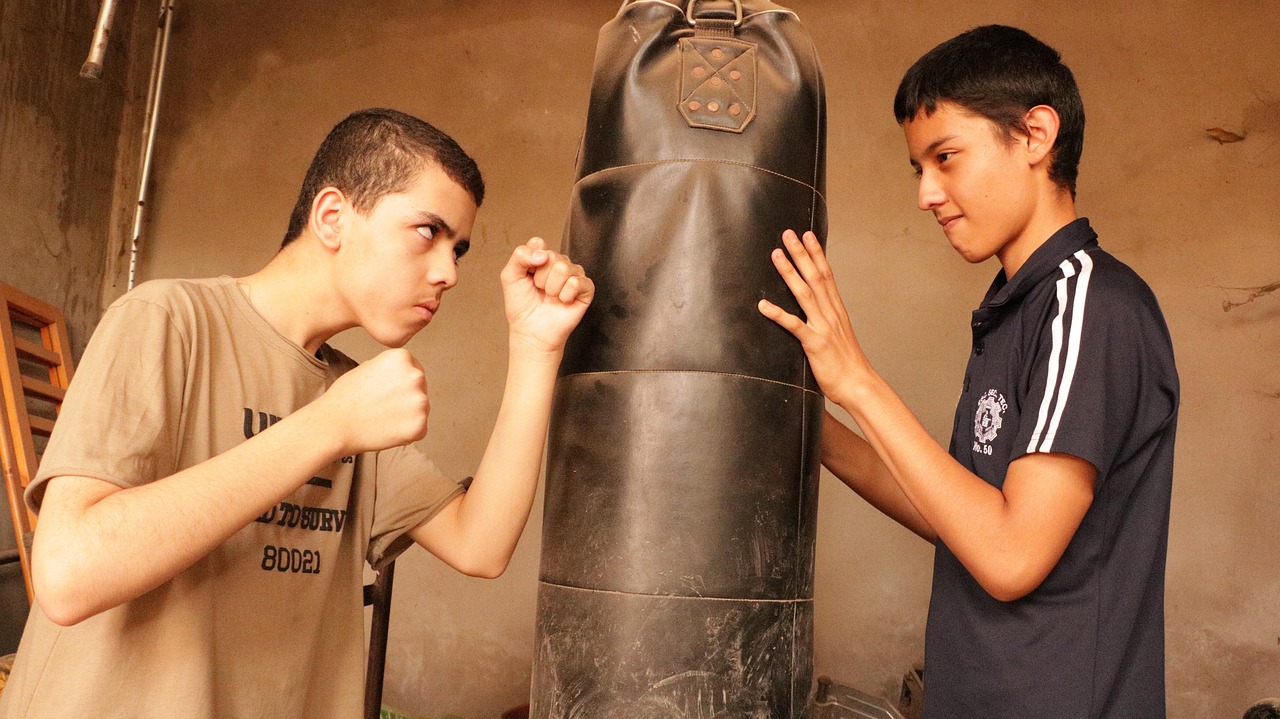
The gym culture in Jakarta has several layers. There are serious fight camps that work with amateur and professional boxers, outdoor or community-oriented training spaces, and commercial boxing gyms serving the city’s growing fitness market. KPJ Bulungan Boxing Camp in South Jakarta has been described as an important local boxing institution connected to fighters such as Jason Butar Butar, Azizul Saputra, and Egi Rozten. More recent attention around boxing spaces in Jakarta also shows the sport’s ability to adapt to the city itself, including community training projects in public or unconventional urban spaces.
Jakarta’s amateur and professional scenes feed each other, but not always evenly. Amateur boxing gives young fighters their first structure through clubs, local tournaments, military or police-linked programs, and national competition. Professional boxing offers higher visibility, but it also requires matchmaking, medical oversight, promotion, sponsorship, and consistent event organization. Jakarta is where many of those pieces can come together, though Indonesian boxing still faces the challenge of turning scattered talent into a predictable development pipeline.
The future of boxing in Jakarta depends on whether the city can keep connecting grassroots fighters to real professional opportunity. The interest is there, the training culture is visible, and Indonesia has enough boxing history to make the sport feel credible rather than imported. Jakarta’s role is to organize that energy. When the city is at its best as a boxing market, it does not simply stage fights. It gathers the country’s fighters, tests them, promotes them, and gives Indonesian boxing a place where national ambition can become international possibility.