Boxing in South Sudan is still being built, and that is the most honest way to understand the sport’s place in the country. South Sudan became independent in 2011, so its national sports institutions are young compared with the older boxing systems of North Africa, East Africa, and the Commonwealth world. The country has not yet produced a large group of internationally famous professional boxers or a long Olympic boxing record under its own flag. Its boxing identity is instead tied to youth development, federation-building, community discipline, and the broader effort to use sport as a unifying structure in a young country.
That makes South Sudan different from countries where boxing coverage can begin with champions and title fights. In South Sudan, the story begins with infrastructure. The sport needs gyms, trainers, equipment, rings, medical standards, referees, judges, and regular competition. Without those pieces, talent can appear but rarely develops fully. Boxing is one of the hardest sports to fake because athletes are exposed quickly when they lack sparring, conditioning, and technical schooling. For South Sudanese fighters, the pathway is still forming, and every organized club or tournament carries developmental importance.
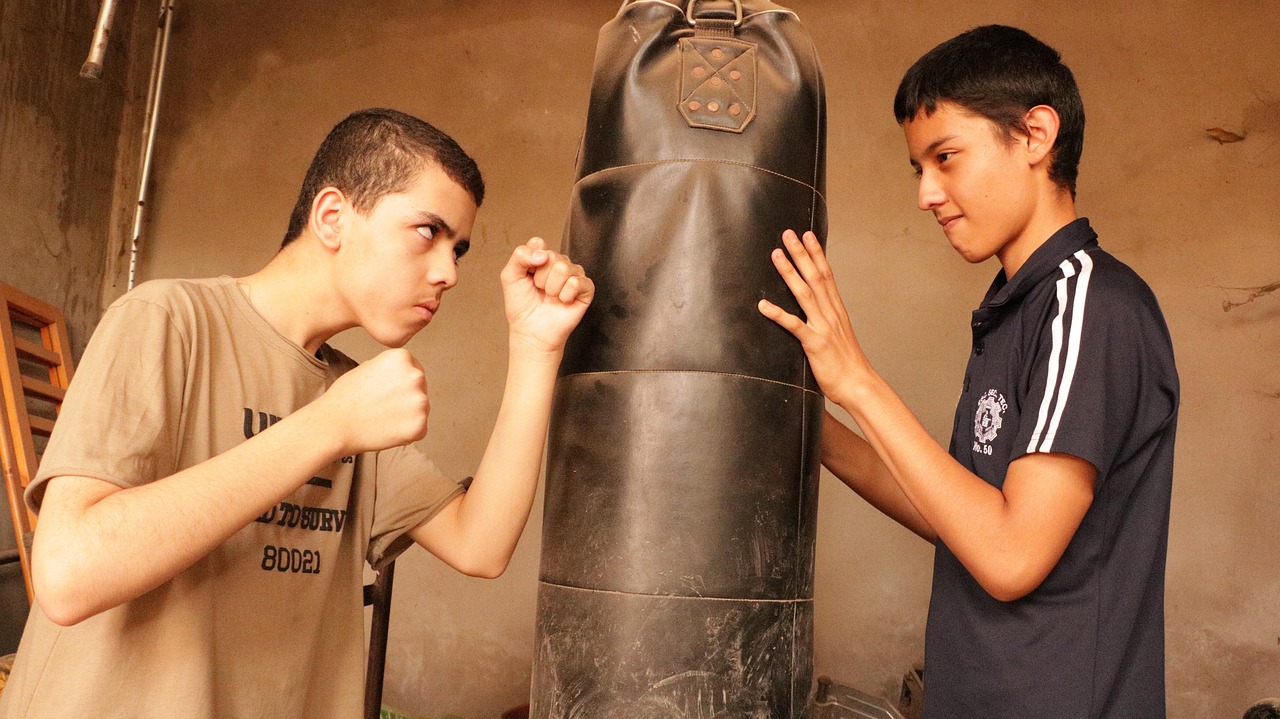
The South Sudan Boxing Federation gives the sport a national structure, but the real work is local and repetitive. Coaches have to teach stance, guard, balance, punching mechanics, defense, and composure. Young fighters need rounds. They need opponents who test them in different ways. They need to learn how to recover from losses and how to fight within tournament rules. In a developing boxing country, this basic competitive rhythm is often the difference between raw toughness and real boxing skill.
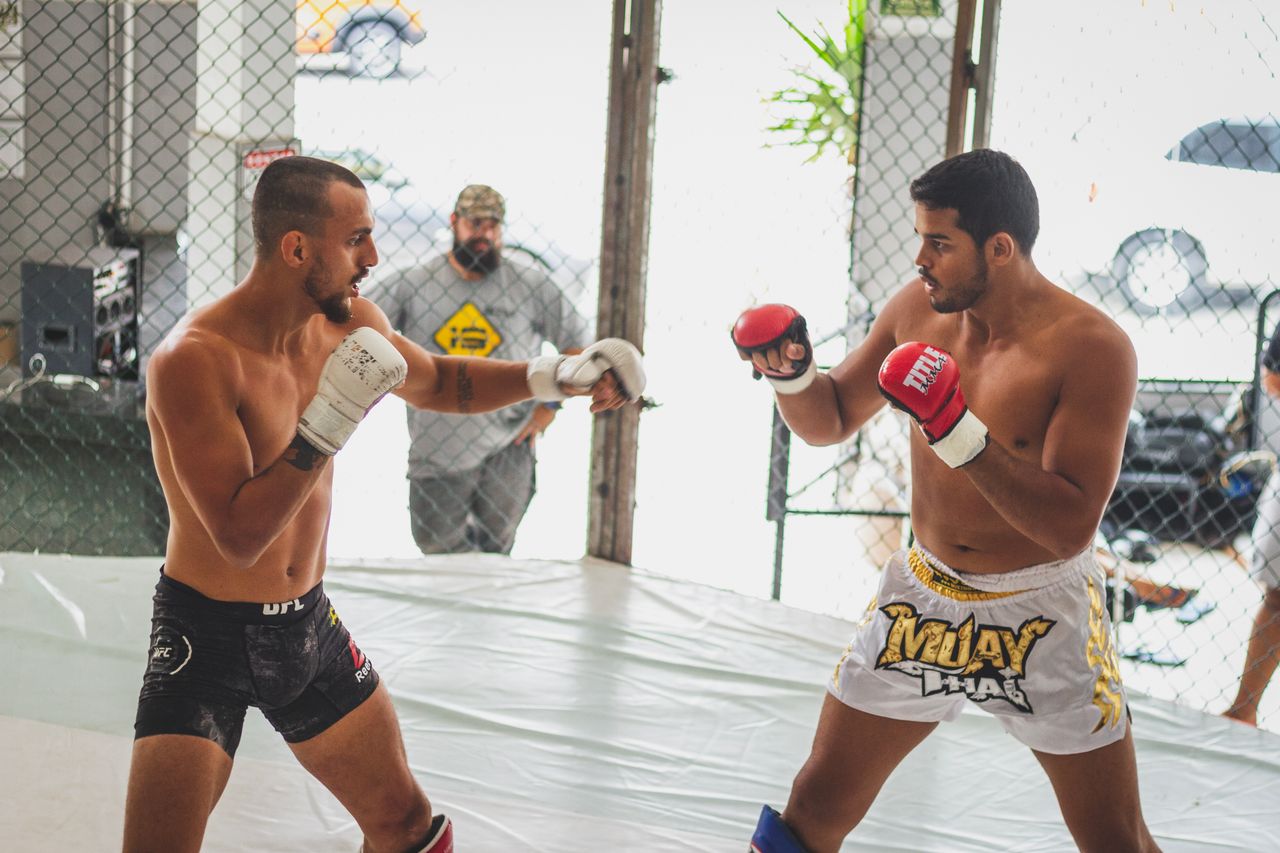
South Sudan’s boxing scene also sits near a broader combat-sports environment. In places where formal boxing infrastructure is still emerging, athletes may move between boxing, kickboxing, fitness training, martial arts, and informal fight culture. That can create tough athletes, but it also makes technical coaching more important. Boxing has its own language: foot placement, jab control, distance management, angles, counterpunching, and ring generalship. South Sudan’s growth in the sport will depend on how well coaches can separate boxing development from general fighting ability.
One of the most important areas for the country is women’s boxing. Reports from South Sudan’s boxing community have pointed to growing female participation and ambitions to place girls and women into future international competition. That matters because women’s boxing is still young enough globally that emerging countries can make meaningful progress if they invest early. A country without a long men’s professional tradition can still build a visible women’s amateur program if it creates safe training spaces, reliable coaching, and regular competition.
Boxing can also serve a social role in South Sudan. The sport’s structure is individual, but its preparation is communal. Fighters train in groups, follow coaches, respect rules, and learn how to channel aggression into disciplined performance. In a country where sport is often asked to carry symbolic weight, boxing can offer a small but meaningful framework for unity. The gym becomes a place where athletes from different backgrounds share the same routines and the same standards.
South Sudan’s regional pathway will likely run through African amateur competition before professional boxing becomes a major part of its identity. The country’s fighters need exposure to neighboring boxing scenes, continental tournaments, and international development programs. Uganda, Kenya, Ethiopia, Sudan, and other African boxing environments can all become reference points, whether through regional tournaments, training exchanges, or coaching relationships. For South Sudan, the first major victories may not be world titles. They may be consistent participation, better-prepared national teams, and fighters who can advance deeper in African competitions.
The future of boxing in South Sudan depends on patience. The country has physical talent, national pride, and a reason to invest in sports that give young athletes structure. What it needs is continuity. If the federation, clubs, coaches, and athletes can build that continuity, South Sudanese boxing can grow from a fragile emerging scene into a recognizable African amateur program. Its boxing identity is not about what has already been won. It is about what is being assembled.