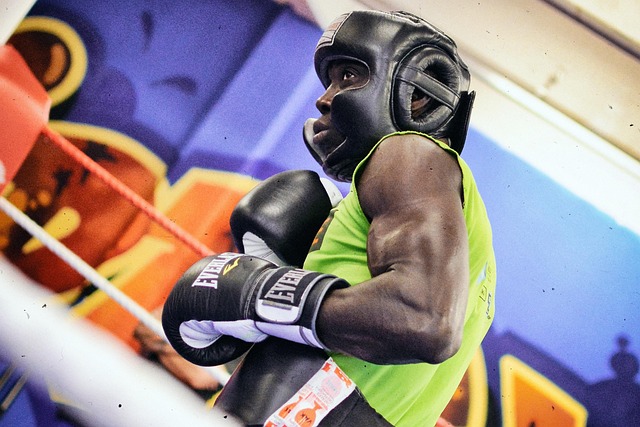
Nice is not usually framed as one of Europe’s great boxing capitals, but that does not make its boxing identity insignificant. The city belongs to a different kind of boxing map: Mediterranean, French, regional, and shaped by the relationship between local clubs, national competition, fitness participation, and access to larger fight markets. Boxing in Nice is not built on constant global title nights. It is built through gyms, amateur development, disciplined training, and the broader sporting culture of the French Riviera.
The first thing to understand about boxing in Nice is that it sits inside the French boxing system. France has a long and varied boxing history, from professional champions and Olympic fighters to local clubs that serve as the foundation of the sport. In Nice, boxing is part of that club-based structure. Fighters are usually developed through coaching rooms, amateur bouts, regional events, and connections to the wider Provence-Alpes-Côte d’Azur sporting network rather than through a single dominant local fight industry.
Nice’s location matters. As a city on the Mediterranean, close to Monaco, Marseille, Cannes, and the Italian border, it sits in a region where sport, tourism, and international movement overlap. That does not automatically make Nice a boxing hub, but it gives the city access to a wider combat-sports environment. Fighters and clubs can connect regionally, travel for competition, and operate within a part of France that has both local athletic traditions and international visibility.
Boxing in Nice also shares space with other combat sports. French fight culture includes English boxing, savate, kickboxing, Muay Thai, judo, karate, MMA, and other disciplines. That crossover environment shapes how boxing is experienced locally. Some athletes come to boxing as a primary sport. Others use it to sharpen striking for kickboxing or mixed martial arts. Fitness participants may enter through bag classes or conditioning sessions before discovering the technical depth of boxing itself.
That makes the role of serious boxing clubs important. A real boxing gym in Nice has to do more than offer sweat. It has to preserve the fundamentals: stance, guard, footwork, jab control, distance, defense, ring awareness, and the ability to remain composed under pressure. In a city with a broad recreational sports audience, the distinction between boxing as fitness and boxing as competition matters. Both can support the sport, but they are not the same thing.
The search for famous boxers from Nice is different from the search for famous boxers from Paris, Marseille, London, New York, or Mexico City. Nice’s boxing identity is not built around a long list of globally known champions. It is better understood through the local and regional development pathway. The city contributes to French boxing through clubs, coaches, amateurs, and fighters who may compete regionally or nationally before seeking larger opportunities elsewhere.
Amateur boxing is therefore central. In France, the amateur structure gives fighters a route into disciplined competition before any professional ambitions are realistic. For Nice boxers, that can mean local club shows, regional championships, national tournaments, and the broader French federation environment. The amateur level teaches the habits that matter: making weight, boxing under rules, handling different opponents, listening to the corner, and learning how to lose without disappearing from the sport.
Professional boxing in Nice is more selective. The city can support events, and the Riviera has the venues and audience potential for combat sports, but Nice is not a constant professional boxing factory. Fighters with serious professional ambitions often need to connect beyond the city, whether through larger French markets, Monaco-area events, or European opportunities. That is common for many regional boxing cities. The local gym builds the fighter; the wider circuit tests the fighter.
Nice also has potential as a boxing participation market. Its population, tourism economy, university presence, and broader health culture create space for boxing to grow among adults, youth athletes, women, and crossover combat-sports participants. Women’s boxing in particular has room to expand wherever clubs provide serious coaching and not just a fitness version of the sport. The same is true for youth boxing, where the right environment can turn a demanding sport into a structure for confidence and discipline.
The future of boxing in Nice depends less on becoming a global fight capital and more on strengthening the pathway from interest to competition. A healthy boxing city needs beginner classes, serious amateur coaching, qualified trainers, safe sparring, regional events, and enough visibility for young fighters to believe the sport has a future. Nice has the ingredients for that kind of scene.
Nice boxing is best described as a regional French boxing culture with Mediterranean character. It is not defined by constant headlines, but by clubs, training rooms, and the steady work of keeping the sport alive outside the biggest boxing capitals. In that sense, Nice represents an important part of the boxing world: the cities where the sport grows quietly, one gym and one fighter at a time.