Namibia is one of Africa’s most successful small-country boxing stories. Unlike many nations where boxing exists mainly as an amateur or recreational sport, Namibia has produced recognized professional world champions and built a boxing identity around elite individual achievement. For a country with a small population and limited domestic sports market, that record is unusually strong.
The names at the center of Namibian boxing are Harry Simon, Paulus Moses, Paulus Ambunda, and Julius Indongo. Together, they gave Namibia a professional boxing lineage that few African countries of similar size can match. Simon became the country’s first major boxing superstar, winning world titles and retiring unbeaten. Moses, known as “The Hitman,” became a lightweight world champion. Ambunda won a bantamweight world title. Indongo reached global attention when he became a unified champion at junior welterweight, taking major belts into high-profile international fights.
That collection of champions changed what boxing could mean in Namibia. The sport was no longer just a gym activity or an amateur pursuit. It became one of the country’s clearest routes to international sporting recognition. Namibian boxers could travel abroad, enter hostile arenas, win belts, and bring attention back to Windhoek and the national boxing scene.
The country’s professional boxing culture has often been tied to disciplined matchmaking, careful development, and the ability to move fighters into international opportunities at the right time. Namibia cannot offer the constant domestic fight calendar of a larger market, so its best fighters have had to build records locally and regionally before stepping into bigger bouts abroad. That creates pressure on promoters, trainers, and managers. A Namibian prospect cannot afford to be moved carelessly, because one international opportunity may define an entire career.
Windhoek is the natural center of the country’s boxing scene. It is where much of the sport’s administrative, promotional, and training energy gathers. But the broader Namibian boxing story also depends on national reach. Amateur championships, regional development, junior programs, and federation activity are all necessary if the country wants to produce another generation beyond its famous champions.
The amateur side remains important because Namibia’s professional success did not appear from nowhere. Fighters such as Ambunda and Indongo developed through amateur competition before becoming professional champions. The current challenge is to keep that development structure active while the country waits for its next major world-title breakthrough. Local observers have openly discussed the drought since Namibia last produced a recognized world champion, which shows how high the standard has become. In many countries, producing one champion would be treated as a miracle. In Namibia, the expectation is that another one should eventually come.
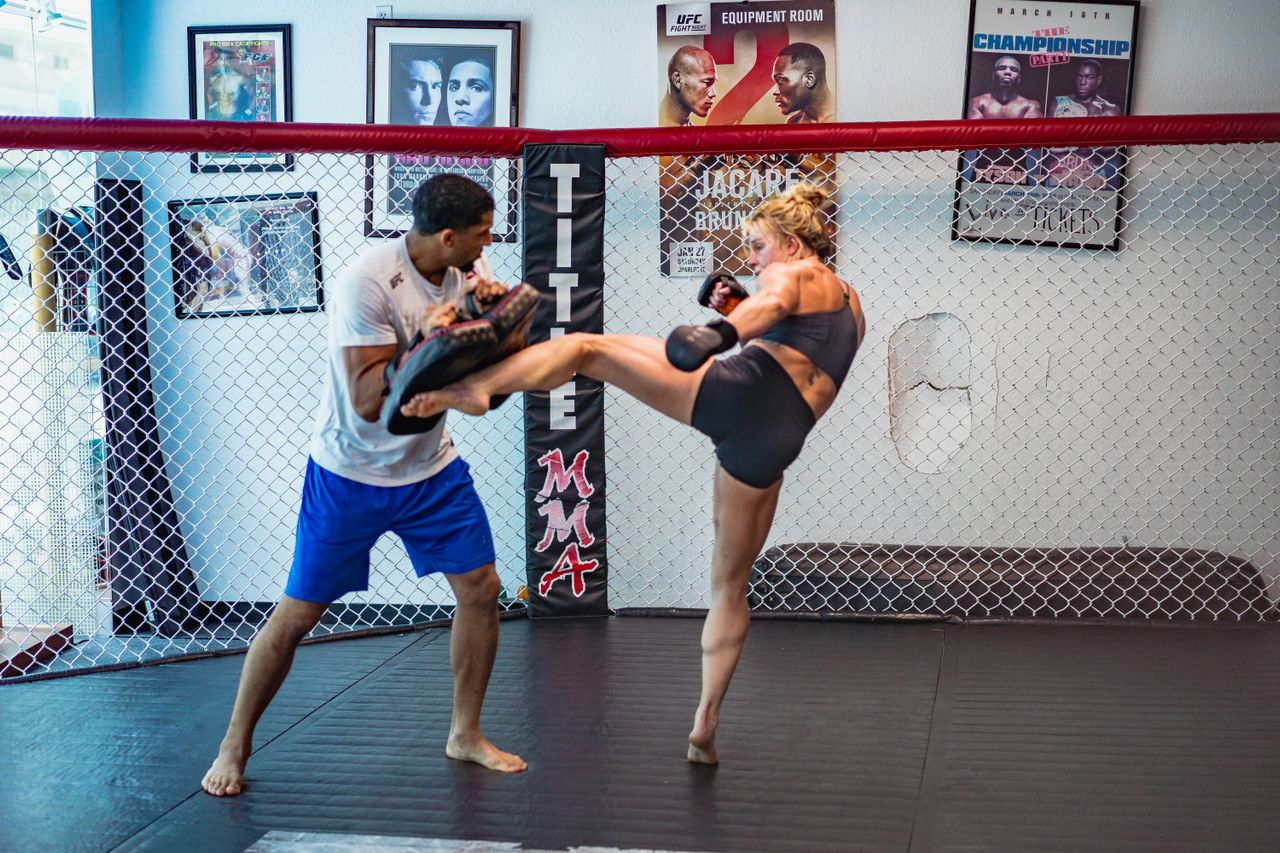
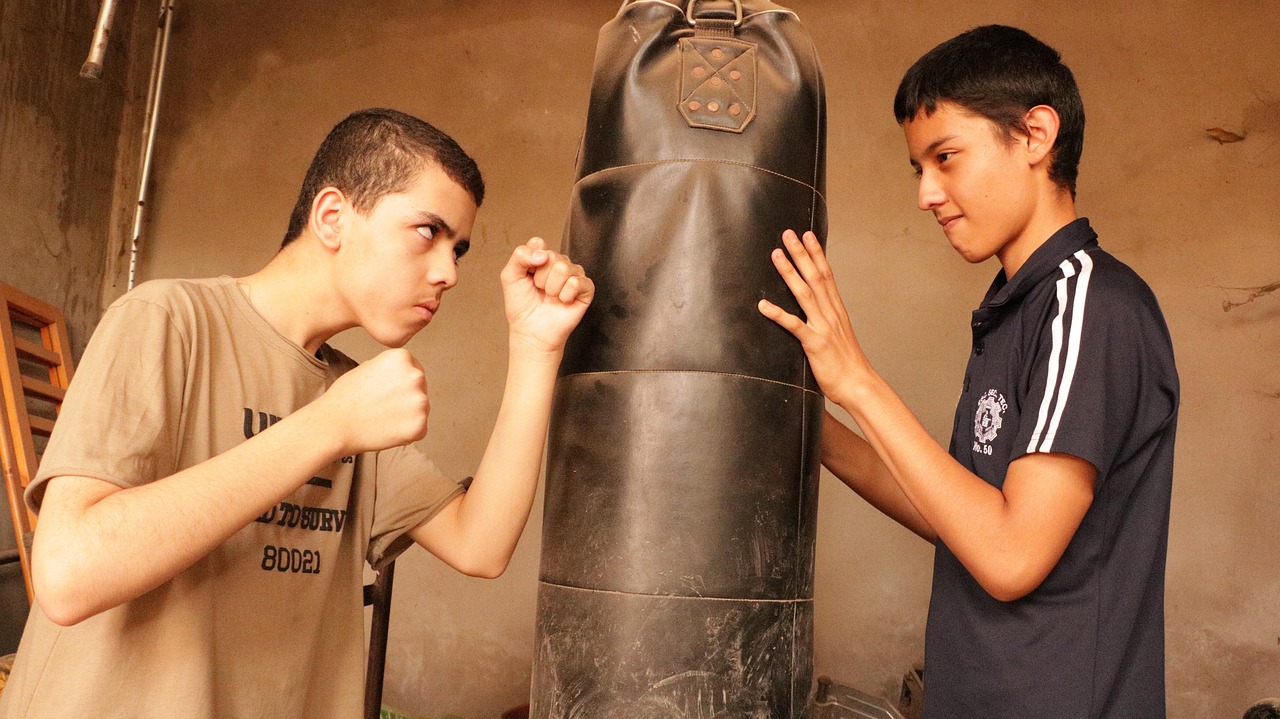
Women’s boxing and youth boxing are also part of the country’s next stage. If Namibia’s earlier boxing identity was built mainly around male professional champions, the future will need broader participation. More junior fighters, more women in gyms, more regional tournaments, and more consistent national championships can help prevent the scene from depending too heavily on rare elite individuals.
Namibia’s place in African boxing is distinctive. It does not have the massive population of Nigeria, the long professional infrastructure of South Africa, or the Olympic boxing history of some North African countries. Its strength has been efficiency: producing serious fighters from a small base and moving them onto the world stage. That gives Namibian boxing a reputation for punching above its demographic weight.
The future of boxing in Namibia will depend on whether the country can convert legacy into system. The champions have already proven what is possible. The task now is to keep gyms active, coaches supported, amateurs tested, and professionals connected to international opportunities. Namibia’s boxing history is not just respectable for a small country. It is one of the clearest examples of how a compact African boxing scene can produce world-level results.