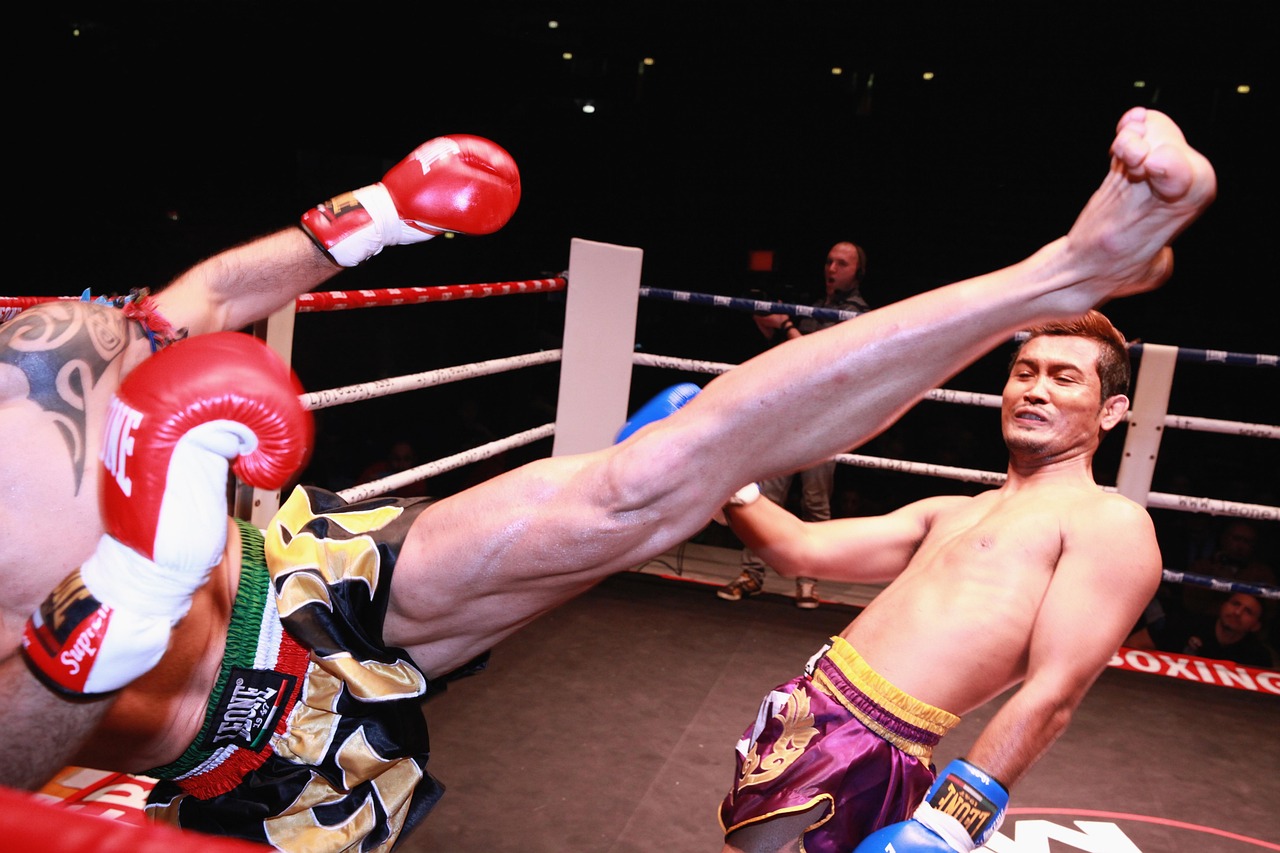
Oklahoma City boxing is not defined by glamour. It is defined by persistence. The city sits outside the traditional American boxing capitals, but that has given its fight scene a particular character: practical, regional, and built around fighters who have to earn attention the hard way. Boxing in Oklahoma City lives through local gyms, amateur development, casino cards, regional promotions, and the steady work of athletes who use the sport as both competition and discipline.
The city’s boxing identity is tied to the larger fight culture of Oklahoma. This is a state with a strong wrestling tradition, a deep respect for combat sports, and a long history of tough athletes coming out of smaller cities, tribal communities, military backgrounds, and working-class environments. Boxing shares space with wrestling, MMA, and other fight disciplines, which gives Oklahoma City a broader combat-sports atmosphere rather than a boxing-only culture.
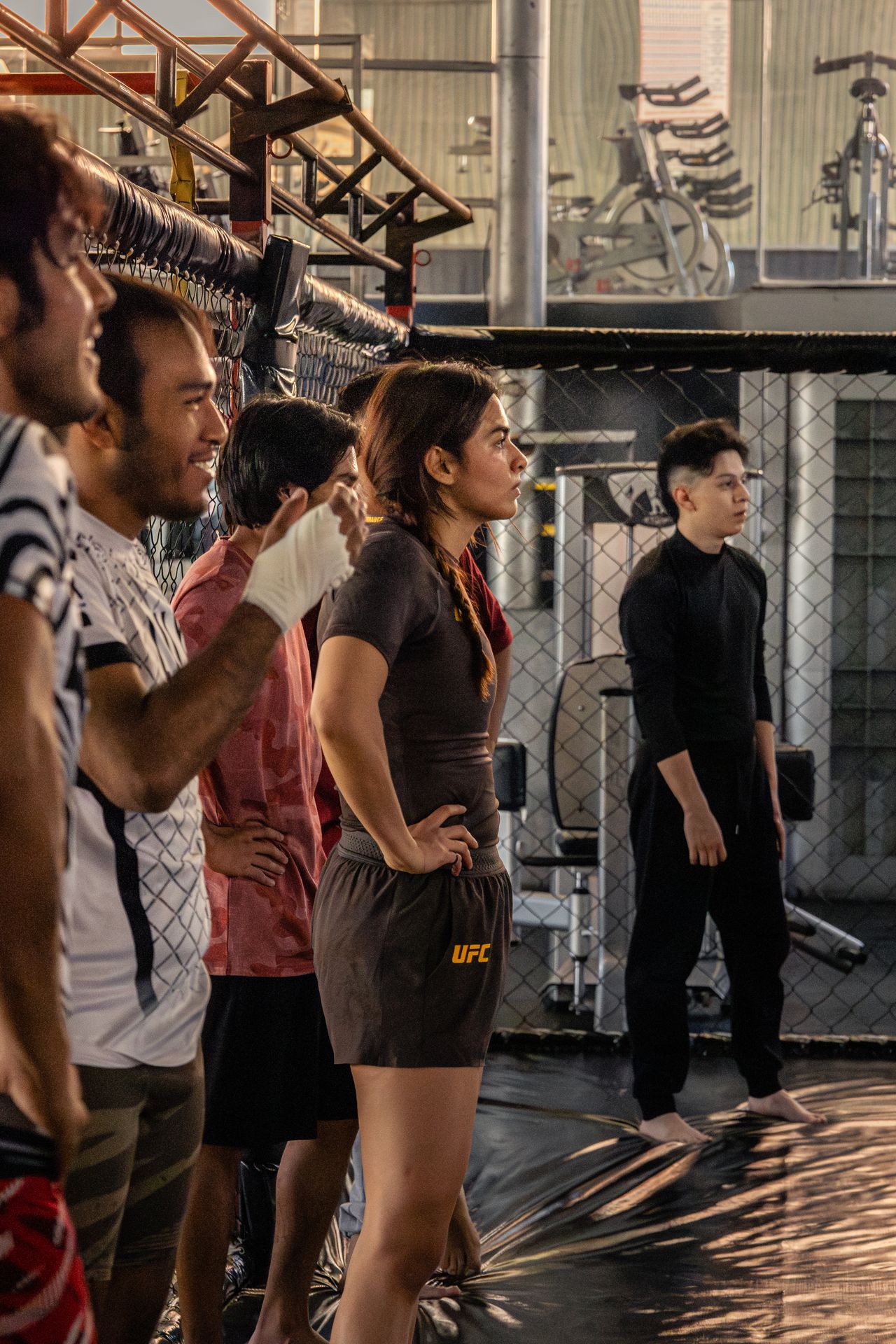
That crossover matters. In Oklahoma City, boxing is often part of a larger fighting education. Athletes may come into the gym after wrestling, football, martial arts, or general fitness training. Some stay with boxing. Others use it to sharpen their striking for MMA. That gives local boxing gyms a practical edge. The work is not abstract. Fighters train to compete, defend themselves, stay conditioned, or build a skill set that transfers across combat sports.
Oklahoma City does not have the same long list of household-name boxing champions as places like Philadelphia, Detroit, Los Angeles, or Mexico City. Its boxing story is instead regional. Fighters from the city and surrounding areas often build records on local and nearby cards, travel to Texas, Kansas, Arkansas, Missouri, or other regional markets, and look for opportunities wherever matchmakers are willing to place them. That road can be unforgiving, but it also creates durable fighters. There is little room for illusion when every step up requires travel, matchmaking risk, and limited spotlight.
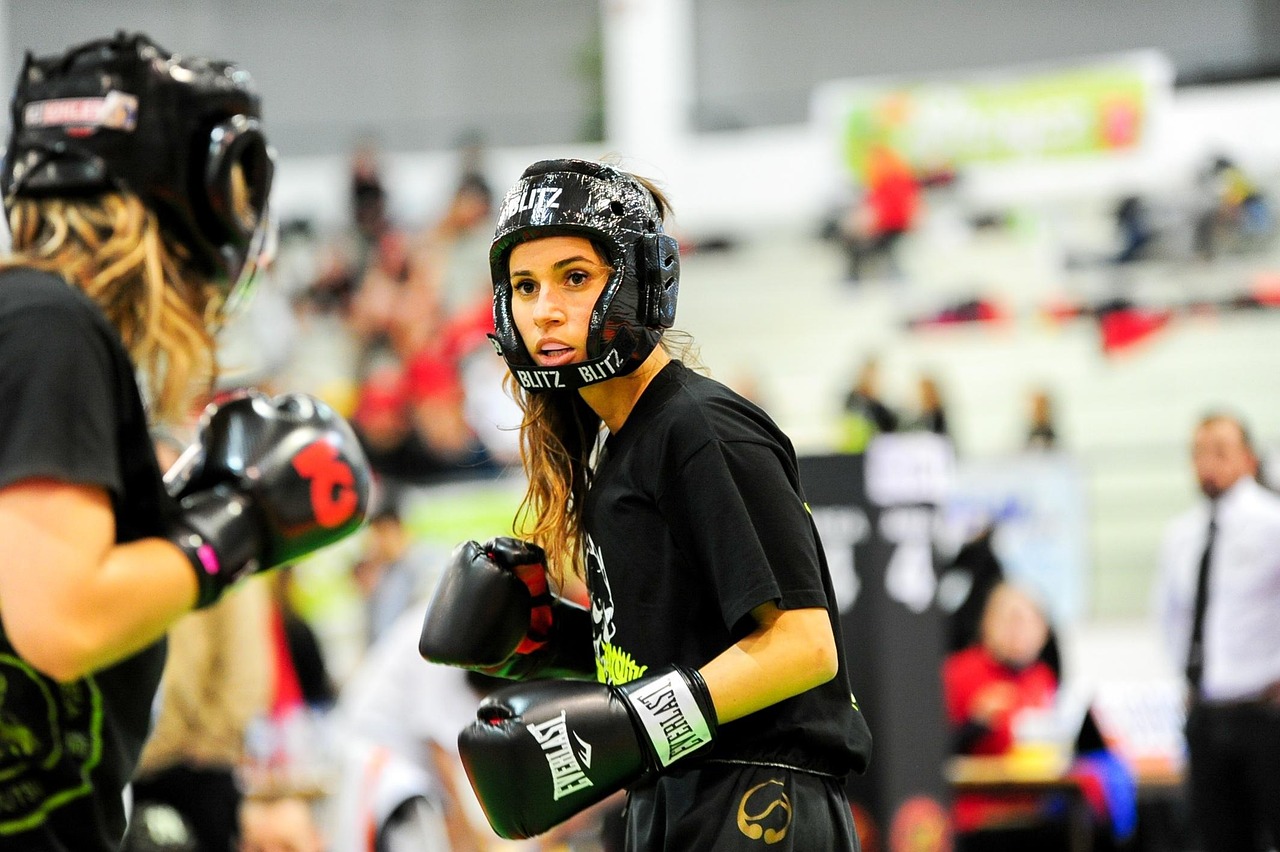
The amateur scene is especially important. For many young boxers in Oklahoma City, amateur tournaments provide the first real structure. Local gyms introduce the basics: stance, balance, jab, defense, conditioning, and ring etiquette. Then fighters test themselves through regional events, state-level competitions, and national amateur pathways if they show enough promise. In a market without constant major professional cards, amateur boxing becomes the foundation that keeps the sport alive year after year.
The city’s professional opportunities are shaped partly by geography. Oklahoma City is close enough to several fight markets to matter, but not large enough to control the regional calendar by itself. That can make it a useful proving ground. Club-level fighters, prospects, journeymen, and crossover combat-sports athletes can all find opportunities in and around Oklahoma. Casino venues across the state have also played a role in keeping professional and regional combat sports visible, giving boxers chances to compete in front of live crowds without needing a coastal promoter.
Training culture in Oklahoma City tends to be direct. The city is not selling a romantic image of boxing. It is not built around celebrity gyms or tourist fight weekends. Its gyms are more likely to be judged by whether they develop discipline, get fighters in shape, teach fundamentals, and prepare athletes for real competition. That gives the boxing scene a grounded quality. The sport is not decorative here. It is work.
Women’s boxing and youth boxing both have room to grow in Oklahoma City. As boxing-based fitness has become more mainstream, more people have entered gyms without necessarily planning to compete. The challenge is converting some of that interest into sustainable amateur participation, coaching depth, and local fight infrastructure. Recreational boxing can fill classes, but competitive boxing needs trainers, officials, events, matchmaking, and a culture that supports long-term development.
Oklahoma City’s boxing future is likely to remain regional rather than flashy. That is not a weakness. The city can be valuable as a serious local fight market, a place where young boxers learn the sport properly, where crossover athletes sharpen their hands, and where tough professionals get made outside the usual media centers. Oklahoma City boxing does not need to pretend to be a capital of the sport. Its identity is more honest than that: a working fight scene in a state that understands combat.