Namibia’s MMA scene is one of the smaller and newer profiles in African combat sports. The country is geographically large, lightly populated, and spread out, which makes centralized sports development harder than in compact urban markets. That reality shapes MMA directly. Namibia does not yet have the gym density, promotion calendar, or professional roster depth of South Africa, but it has begun to show signs of activity through regional competition, amateur development, and fighters entering the Southern African circuit.
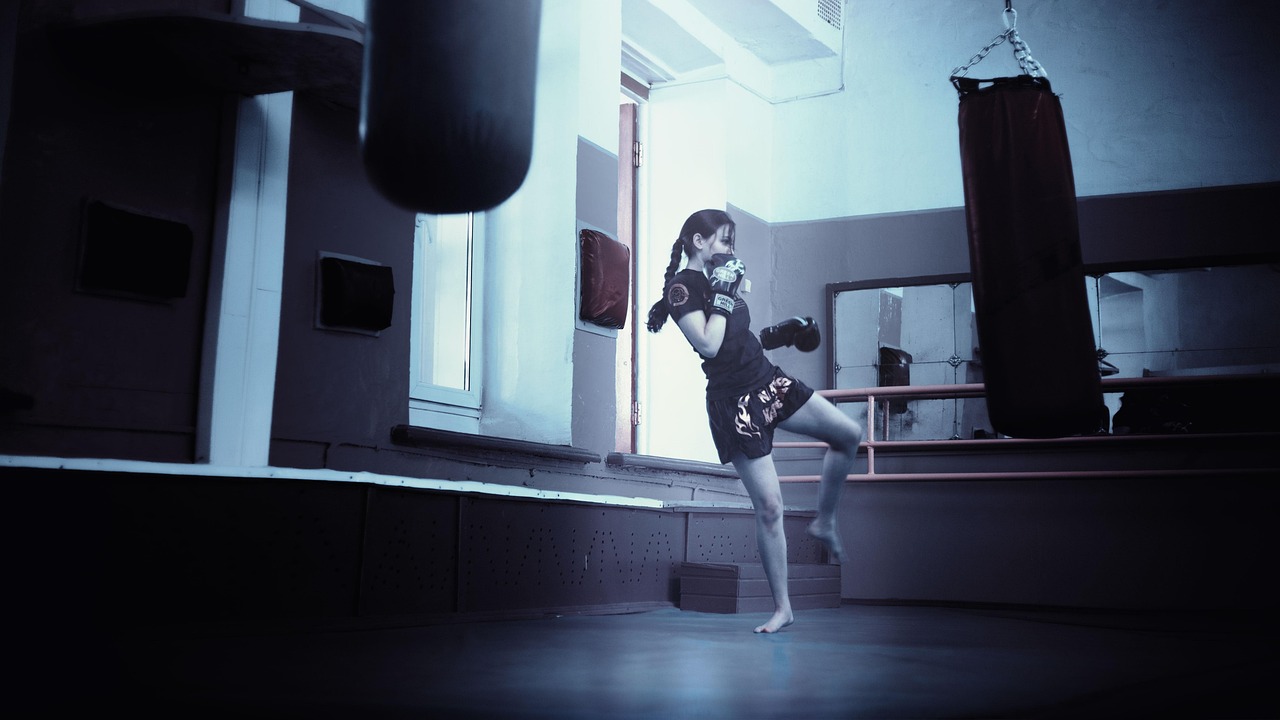
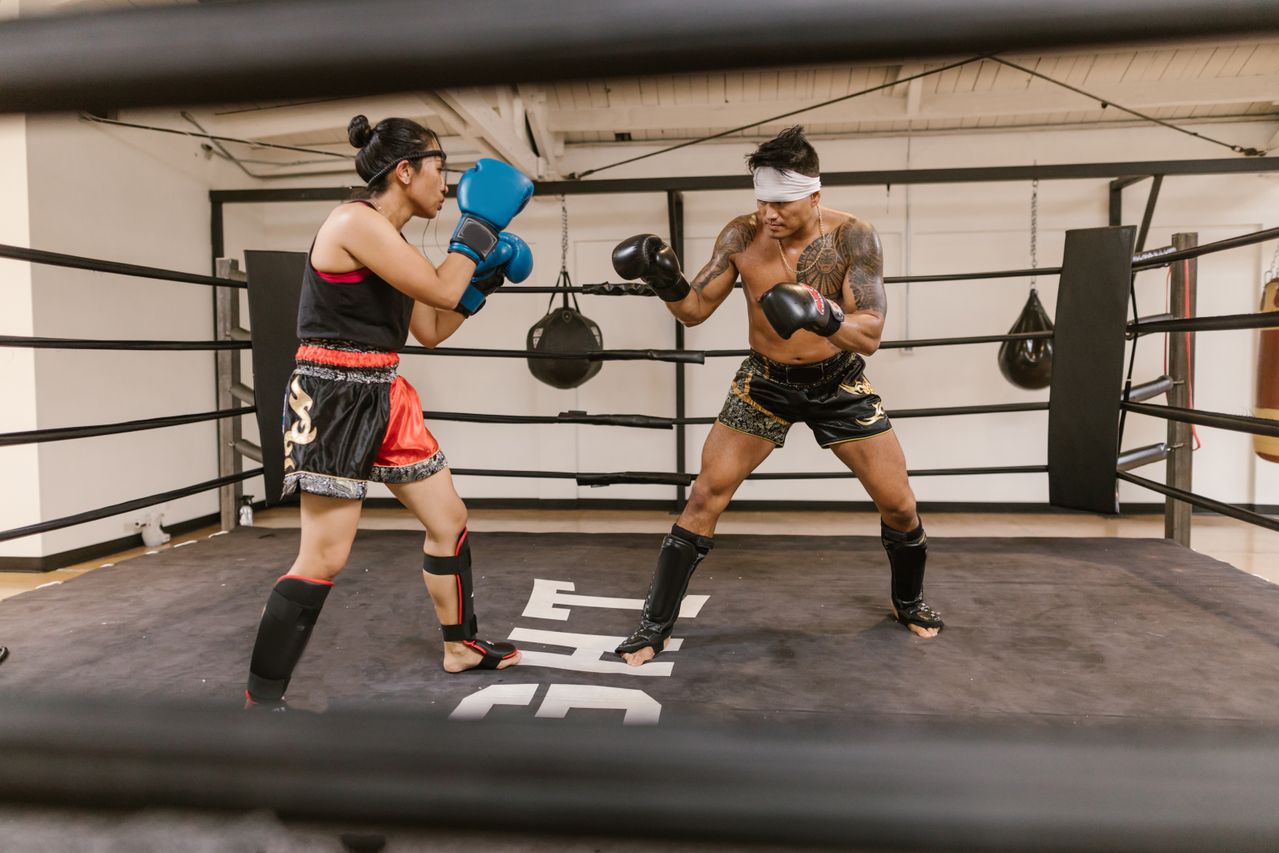
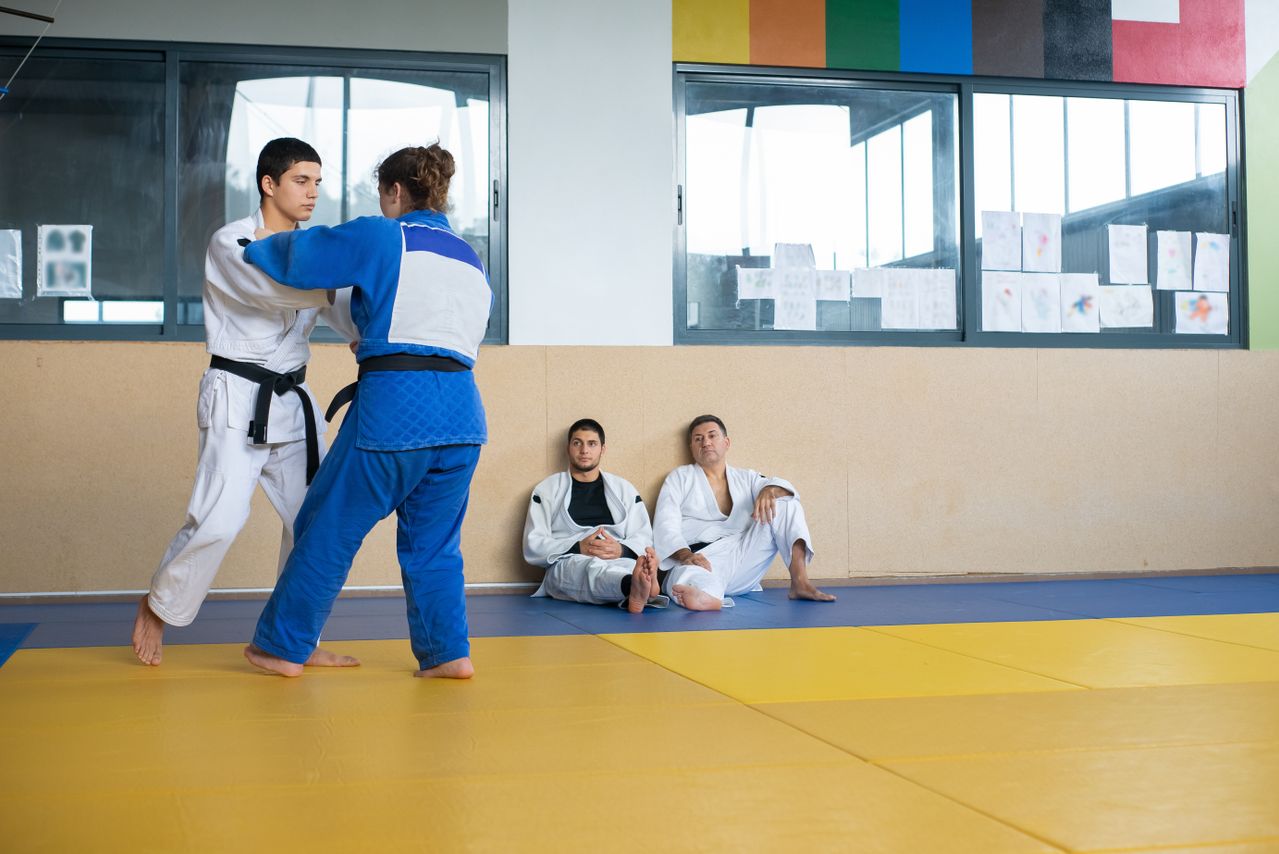
The country’s combat-sports base is more visible in boxing, kickboxing, and traditional fitness-oriented martial arts than in a long-running MMA structure. Namibia has a respected boxing history, and that matters because boxing often provides the first technical layer for fighters in smaller MMA markets. A Namibian athlete may come into MMA with hands, toughness, and conditioning, but the harder leap is learning wrestling, submissions, cage control, and the transitions that separate MMA from a striking match with small gloves.
The clearest route for Namibian fighters is regional. South Africa’s EFC has long served as the major professional platform for Southern African MMA, and Namibian athletes who want serious MMA experience often need to test themselves there or in similar regional environments. Fighter databases list Namibian names such as Hafeni “Namibian Nightmare” Nafuka and Geraldo Bok, while recent regional coverage has also pointed to Veja Hinda as part of Namibia’s developing professional presence. These names are important less because they prove Namibia is already a major MMA country, and more because they show that a pathway is forming.
For Namibia, building MMA requires solving practical problems. Fighters need regular sparring partners across disciplines. Coaches need enough athletes to justify specialized MMA classes. Promotions need enough local talent to stage competitive cards. Amateur structures need safety standards, matchmaking, and medical oversight. In a country with a small population spread across a vast territory, those requirements are not simple. Windhoek is the obvious center, but a national scene cannot depend on one city alone if the sport is going to grow.
Namibia’s advantage is that it sits inside a broader African MMA moment. Across the continent, more fighters are using regional shows, amateur championships, and international gyms to enter the sport. Namibia can benefit from that movement without needing to build everything from scratch. A fighter can train locally, compete regionally, and use South African promotions as a measuring stick. Over time, that can create feedback: one professional breakthrough inspires more gym interest, which produces more amateurs, which eventually gives promoters more reason to stage local cards.
Fan culture is still developing. MMA in Namibia does not yet have the same mainstream pull as boxing or football, but it can grow through recognizable fighters and highlight-reel performances. In small markets, one successful athlete can change how the sport is perceived. A Namibian fighter winning in EFC or performing well at an African amateur championship can make MMA feel less distant and more achievable for young athletes.
Namibia’s MMA future should be viewed patiently. It is not a hidden powerhouse or a fully built scene. It is an early-stage market with a realistic Southern African pathway. The most likely growth pattern is gradual: boxing and kickboxing athletes adding grappling, small clubs becoming more complete MMA gyms, amateurs traveling for competition, and a handful of professionals testing themselves in EFC and other regional promotions. If that process continues, Namibia can become a modest but credible contributor to African MMA.