Dubai’s MMA identity is tied to scale, mobility, and international ambition. It is not just a local fight city, and it is not yet a traditional fighter-producing capital in the way that Dagestan, Brazil, Las Vegas, or Southern California might be. Dubai is best understood as a globalized combat-sports marketplace: a city where expatriate athletes train, regional promotions stage polished events, international brands build partnerships, and fighters from Europe, the Caucasus, the Middle East, Africa, and Asia can meet in one commercial hub.
The city’s biggest MMA development in recent years has been its rise as a major event destination. The PFL’s “Road to Dubai” series gave the city a recurring place in the international MMA calendar, with high-profile cards at Coca-Cola Arena. The January 2025 PFL Champions Series event brought Usman Nurmagomedov and Paul Hughes to Dubai for a lightweight title fight, and the series continued with later Dubai events, including the October 2025 rematch and another PFL return in February 2026. That consistency matters. One-off events can create attention, but a recurring series begins to make a city part of the sport’s geography.
Dubai also benefits from the wider UAE fight ecosystem. Abu Dhabi has long been one of the most important Middle Eastern locations for elite combat sports, especially through UFC events, Jiu-Jitsu infrastructure, and regional promotion. UAE Warriors, based in Abu Dhabi and established in 2012, has become one of the region’s most important MMA platforms. Dubai’s role is different but complementary. Abu Dhabi often carries the deeper institutional combat-sports identity, while Dubai offers a global entertainment, business, and expatriate platform that appeals to promotions looking for visibility and international audience reach.
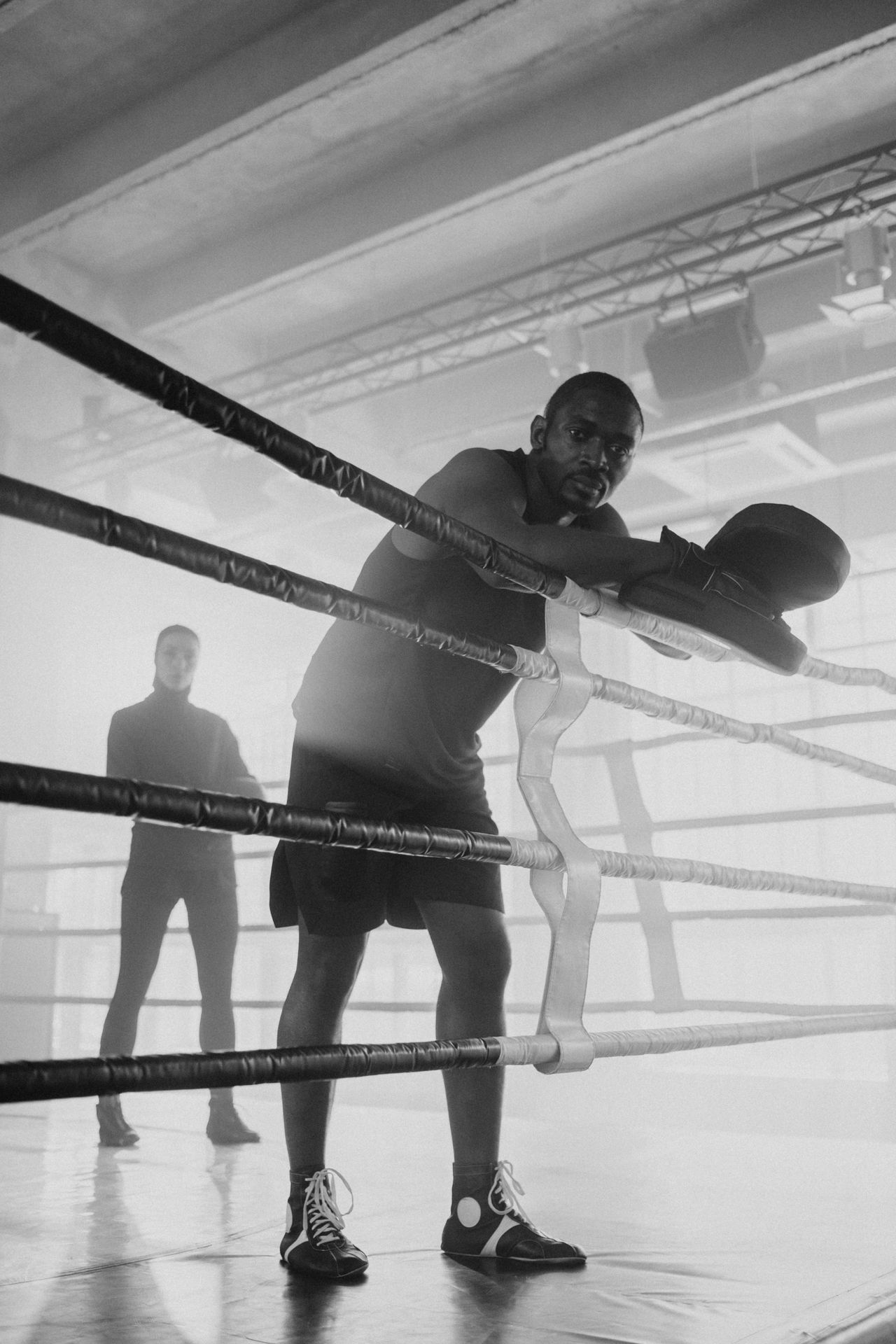
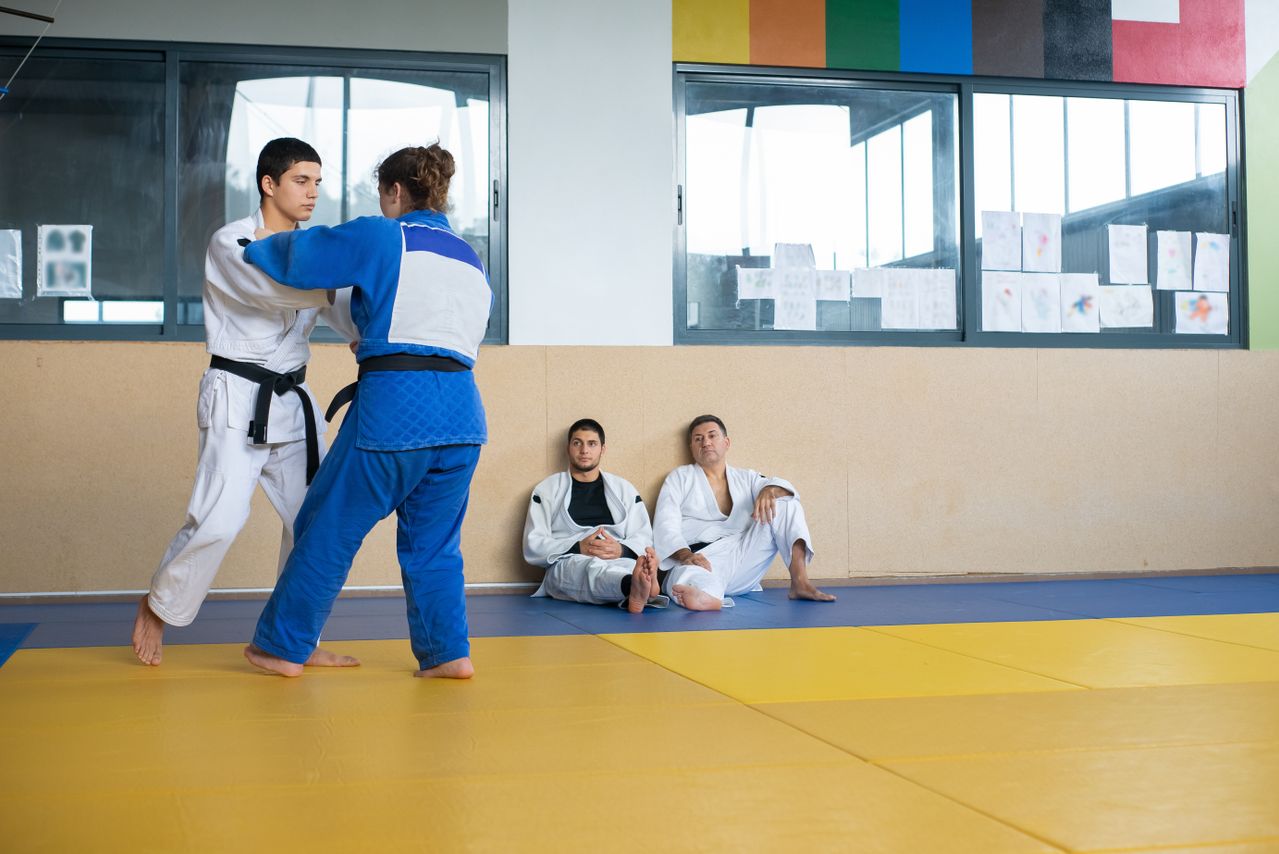
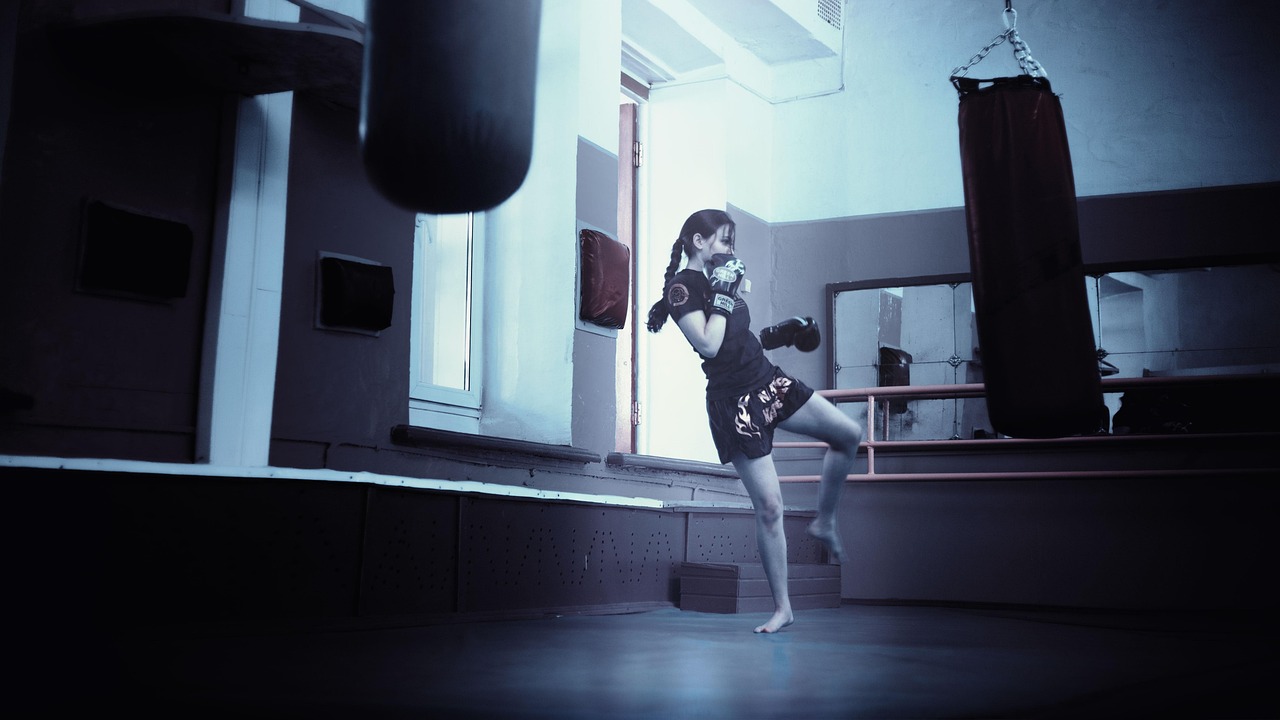
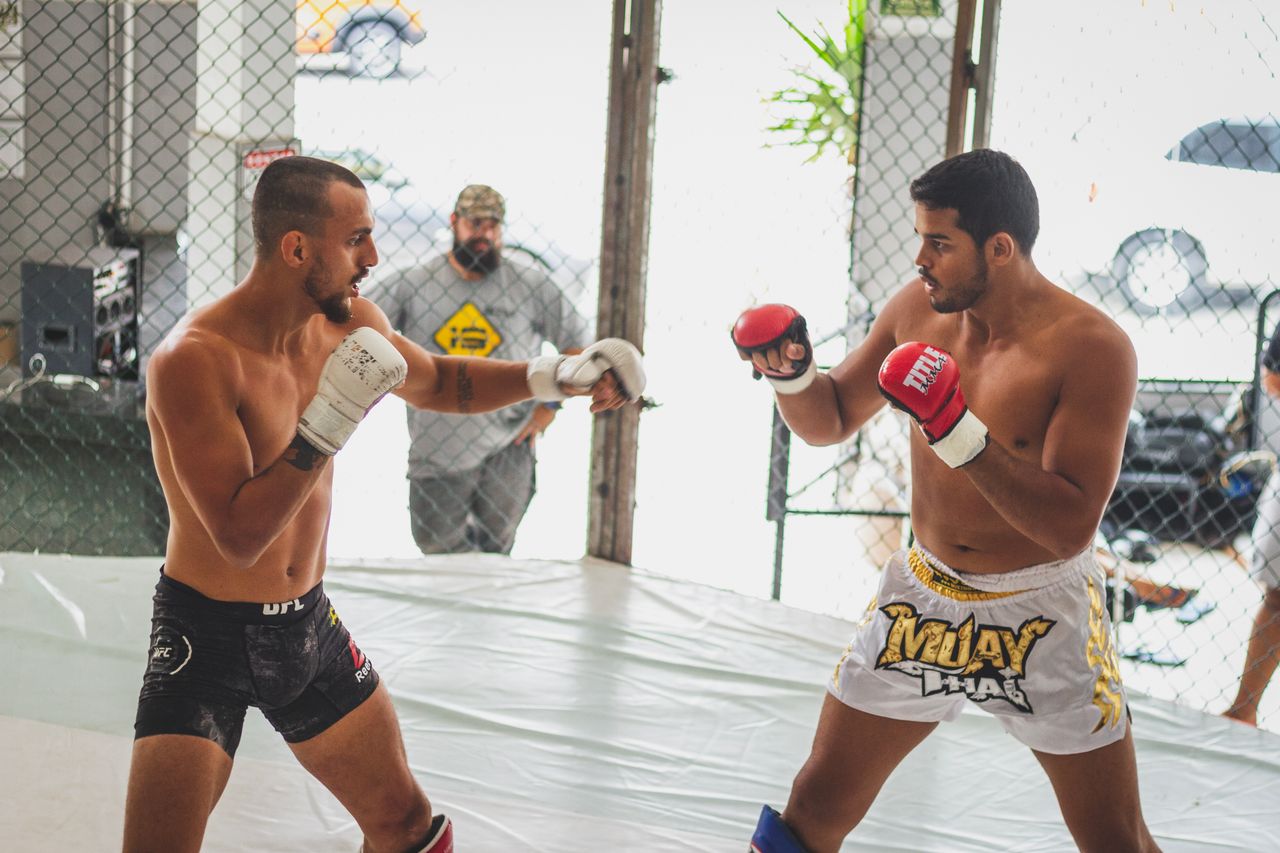
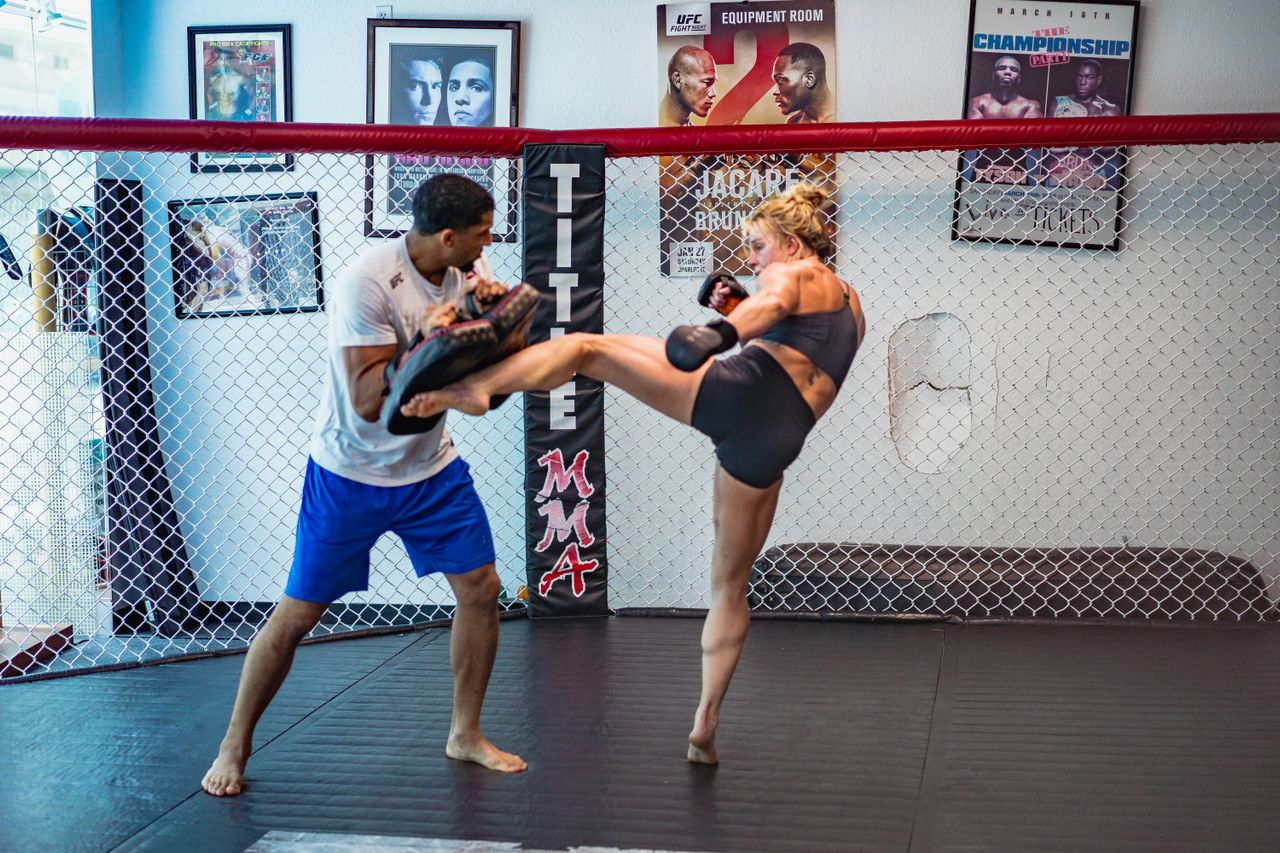
Training in Dubai reflects the city’s population. Because Dubai is heavily international, its MMA gyms are shaped by imported coaching, expatriate athletes, and a broad adult fitness market. Gyms such as 971 MMA, TK MMA Fit, TRIPL3 MMA, UFC Gym UAE, and other striking or grappling academies serve a mix of beginners, serious hobbyists, and competitive fighters. That creates a scene with variety, but also unevenness. Some rooms are built around professional preparation, while others are closer to MMA-inspired fitness, self-defense, or recreational martial arts.
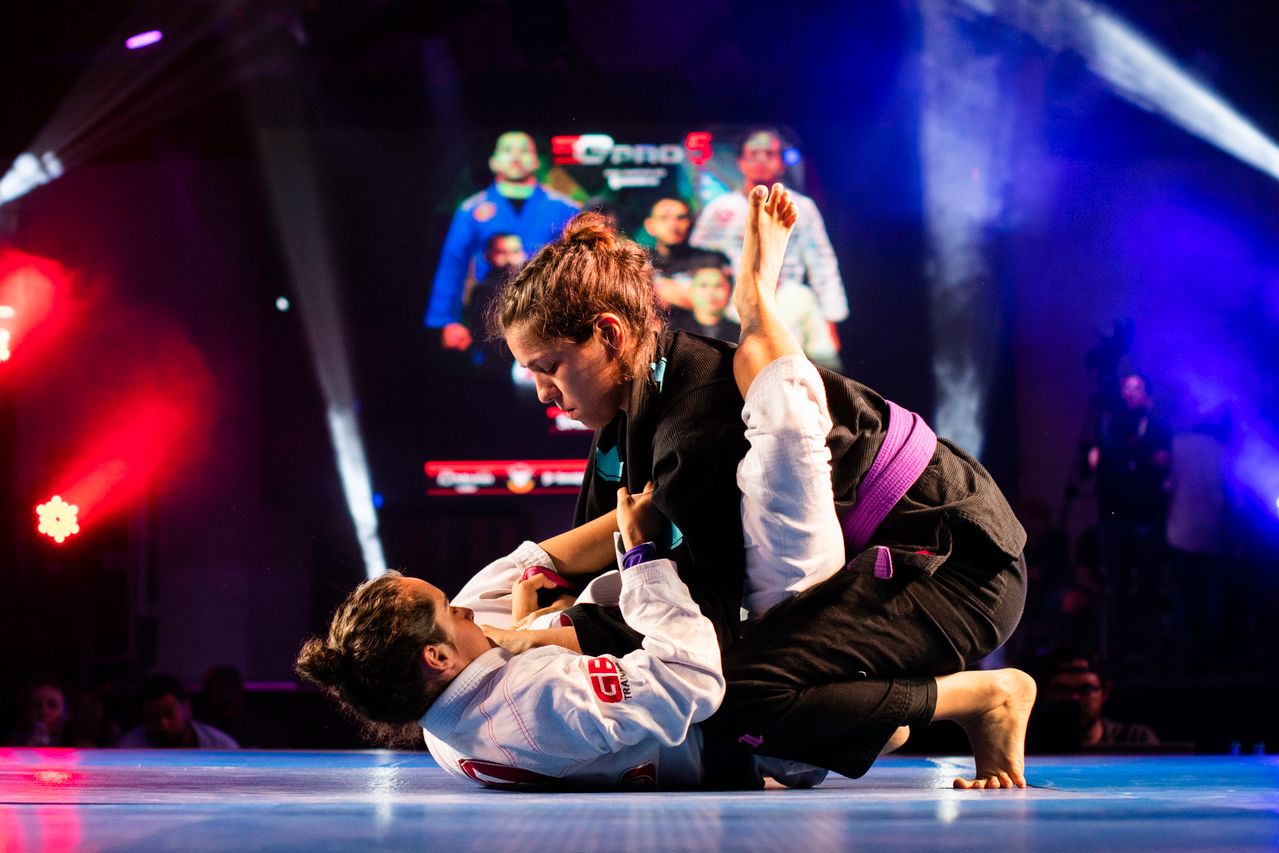
The technical base is broad. Dubai fighters and trainees can find Brazilian jiu-jitsu, wrestling, Muay Thai, boxing, kickboxing, no-gi grappling, and strength-and-conditioning programs. The challenge is not access to martial arts; it is building a durable competitive ladder. For a local MMA scene to mature, fighters need regular amateur shows, regional professional cards, strong coaching standards, and enough sparring depth to test themselves without constantly leaving the country. Dubai has many ingredients, but its identity is still more international hub than homegrown pipeline.
That may actually be its advantage. Dubai can attract fighters who are already developed elsewhere and give them a training base, sponsorship access, lifestyle appeal, and regional competition. It can also serve as a meeting point between different fight cultures: Dagestani wrestling, European MMA, Arab regional circuits, South Asian participation, African prospects, and Western expatriate coaching. In that sense, Dubai’s MMA scene does not need to copy older fight capitals. Its natural role is as a connector.
The future of MMA in Dubai will depend on whether major events translate into local depth. PFL’s investment, the UAE Warriors ecosystem, the presence of UFC-branded gyms, and the region’s growing appetite for combat sports all point in the same direction. Dubai is unlikely to become a traditional grassroots fight town overnight, but it is already becoming one of the Middle East’s most important MMA business and event markets. Its next step is turning that visibility into a stronger local competitive identity.