Cape Verde’s boxing identity is shaped by island resilience, diaspora connection, and a sporting culture that has often had to build international opportunity from limited local infrastructure. In a country better known globally for football, sailing culture, music, and Atlantic migration, boxing occupies a smaller but meaningful place. It is a sport of gyms, discipline, amateur ambition, and overseas pathways, especially for fighters whose Cape Verdean identity is carried through communities in Portugal, the Netherlands, France, Luxembourg, the United States, and other parts of the diaspora.
Boxing in Cape Verde is not defined by a long list of world champions or a dense professional circuit. Its importance comes from the way the sport fits the country’s broader athletic personality. Cape Verde is a small island nation with a large international footprint. Many athletes with Cape Verdean roots develop abroad while maintaining strong cultural ties to the islands. That makes Cape Verdean boxing partly local and partly transnational. A fighter may train in Praia, Mindelo, or another island community, but the larger competitive pathway often runs through Lisbon, Rotterdam, Paris, Boston, Providence, or other cities where Cape Verdean communities have helped keep the national identity visible.
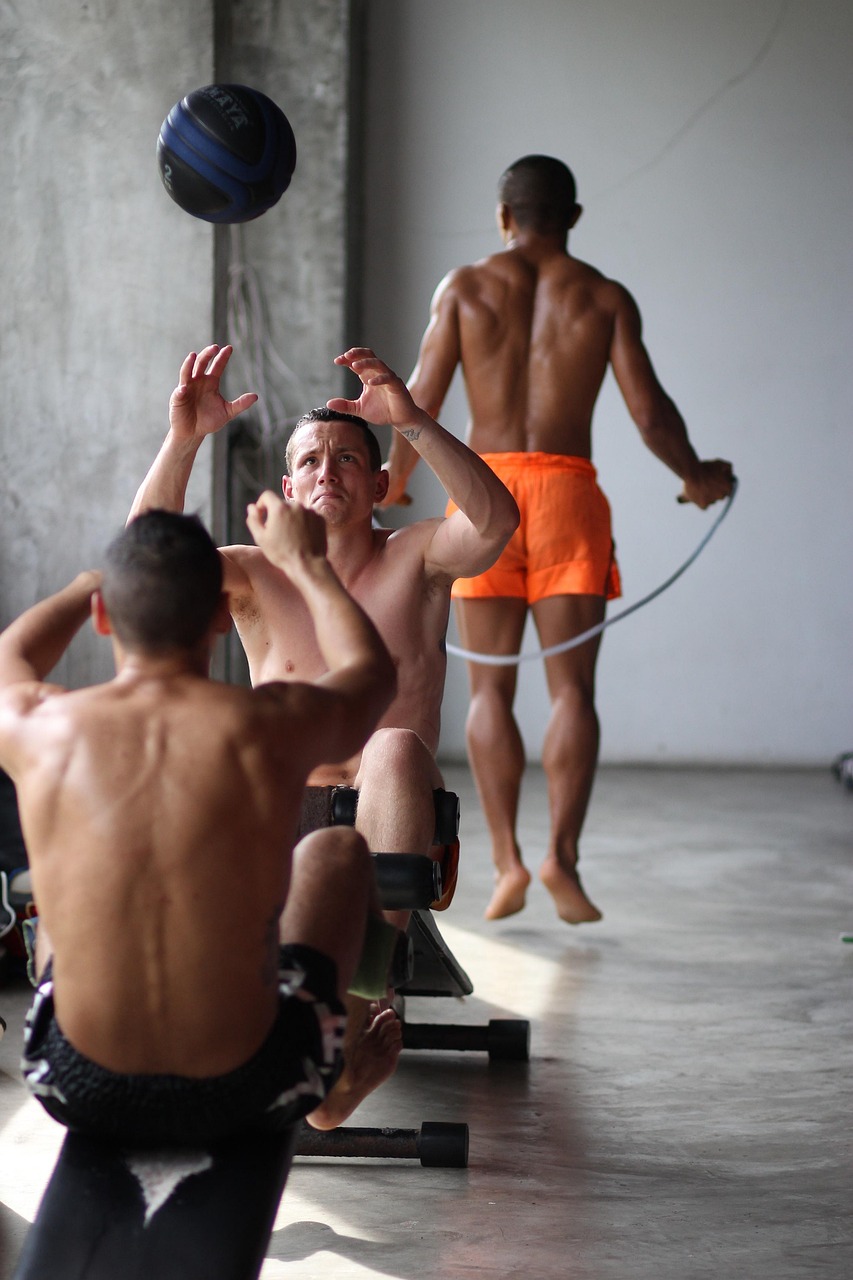
The domestic boxing scene is built more around amateur development than around major professional promotion. Clubs and coaches play an important role in giving young athletes structure, especially in urban areas where boxing can serve as both competition and discipline. Like many smaller boxing nations, Cape Verde depends on committed trainers, modest facilities, and regional competition to keep the sport active. The gym matters because it is where the sport survives between tournaments, where fighters learn footwork and defense, and where young athletes encounter boxing as something more serious than casual fitness.
Cape Verde’s international boxing story is often connected to African competition, Lusophone sporting ties, and diaspora athletes. The country’s athletes have opportunities through African championships, Olympic qualification events, and regional tournaments, but the challenge is consistency. A small talent pool means that one strong generation, one committed club, or one standout fighter can change the country’s visibility quickly. The same is true in professional boxing, where a Cape Verdean fighter based abroad can carry the flag into markets that the domestic scene alone could not easily reach.
That diaspora dimension is one of the most important parts of boxing in Cape Verde. Cape Verdean communities abroad have long used sport as a way to preserve identity, and boxing fits that pattern well. It is individual, portable, and rooted in personal reputation. A fighter does not need a massive league system to matter. A strong gym, the right coach, and access to regional shows can create a pathway. For Cape Verdean boxers abroad, the islands remain part of the story even when the professional work happens elsewhere.
Cape Verde also has room for growth in women’s boxing and youth boxing. As international boxing continues to expand beyond traditional powers, smaller nations can build relevance through targeted amateur programs, better coaching education, and participation in continental competition. The country does not need to become a major prizefighting market to develop a stronger boxing identity. Its realistic future is more likely to come through disciplined amateur programs, diaspora-supported athletes, and a handful of fighters who can use international platforms to make Cape Verde more visible in the sport.
Boxing in Cape Verde is therefore best understood as a developing island-and-diaspora boxing culture. It is not yet a large professional machine, but it has the ingredients that often sustain boxing in smaller nations: pride, mobility, community gyms, and athletes willing to chase opportunity beyond their borders. The country’s boxing story is still being written, and its strongest chapters may come from the connection between local ambition and Cape Verdeans abroad.