MMA in Madagascar has to be understood through the country’s older fighting culture first. The island does not yet have the same modern MMA infrastructure as South Africa, Nigeria, Angola, Morocco, or some of the faster-growing African combat-sports markets. But Madagascar has something many newer MMA countries do not have: a native combat tradition with real cultural weight.
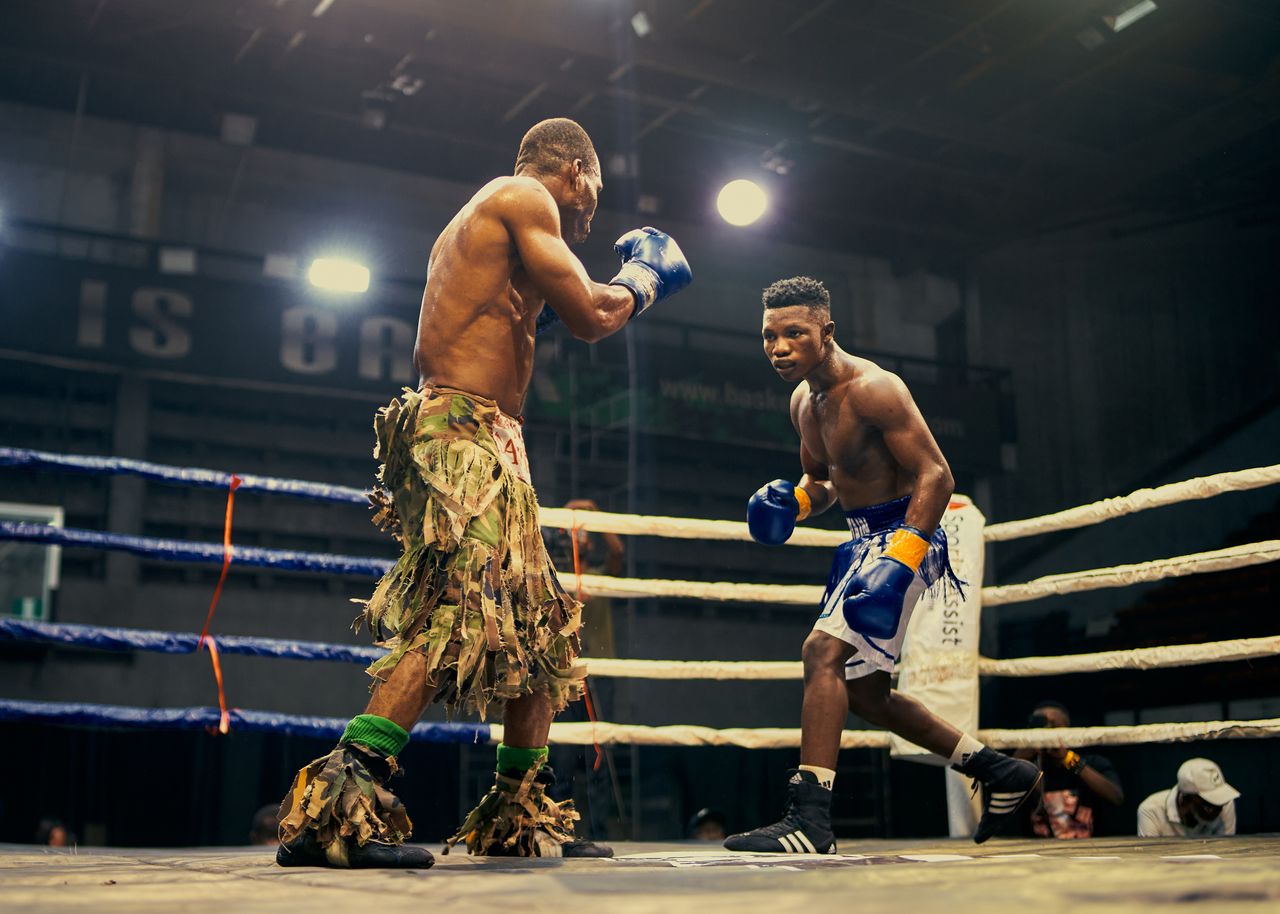
That tradition is moraingy, the Malagasy bare-knuckle striking art historically associated with coastal communities, initiation, courage, public competition, and local prestige. Moraingy is not MMA. It does not include the full grappling, cage control, submissions, and unified rules structure of modern mixed martial arts. But it gives Madagascar a fighting identity that predates the global MMA boom by centuries. When discussing MMA in Madagascar, moraingy matters because it shows that hand-to-hand combat is not an imported concept. The modern sport is new, but the culture of testing fighters in public is not.
The challenge is translation. A strong traditional striking culture does not automatically become a modern MMA pipeline. MMA requires wrestling, submission grappling, cage awareness, round management, judging literacy, medical oversight, and consistent matchmaking. Those pieces are harder to build than enthusiasm. Madagascar’s MMA scene is still developing those structures, and that is why the country remains more of a grassroots and regional-growth market than a major African MMA producer.
There are signs of organized activity. Global Fighting Championship has been associated with Madagascar, and events such as a national championship-style card in Antsirabe point to attempts to create local competitive platforms. Pancrace and MMA teams in places such as Antsirabe also suggest that the sport is being built through hybrid grappling-and-striking formats rather than through a fully mature professional league. In countries where MMA is still young, pancrase, kickboxing, grappling, and traditional combat often overlap before a cleaner MMA ecosystem forms.
The fighter pool remains modest. Tojo Rakotomanga is one of the Malagasy fighters visible in international MMA databases, and several other Madagascar-associated names appear in fighter listings, many with limited or early records. That is an important distinction. Madagascar has fighters, but it does not yet have a large internationally recognized MMA class. The country’s MMA story is therefore less about established stars and more about the early process of building a pathway from local martial arts into regional competition.
Madagascar’s geography also shapes the sport. As an island nation in the Indian Ocean, it does not have the same road-access competition network that fighters in mainland Europe or southern Africa can use. Travel costs, event access, and regional matchmaking are bigger obstacles. A fighter from Antananarivo or Antsirabe who wants regular MMA competition may need to look toward Mauritius, Réunion, South Africa, or broader African and Indian Ocean connections. That makes development slower, but it also gives Malagasy MMA a distinctive regional identity if those links strengthen.
The most promising future for MMA in Madagascar is not to erase older combat traditions but to build from them. Moraingy can provide toughness, striking instincts, crowd energy, and cultural legitimacy. Boxing and kickboxing can sharpen the stand-up. Grappling programs can supply the missing technical layer. MMA gyms can then combine those parts into athletes who are prepared for modern rules.
Madagascar is not yet a major MMA country, but it has a deeper fighting foundation than its current professional footprint suggests. Its future depends on coaching depth, safe event organization, amateur development, and regional access. If those pieces continue to grow, Madagascar could become one of the more culturally distinctive MMA scenes in Africa: not because it copies the global model perfectly, but because it brings an old island fighting culture into contact with the modern cage.