Buenos Aires is one of the essential boxing cities of Latin America. Its identity is not limited to Argentine champions or famous venues, although it has both. Buenos Aires matters because it gave Argentine boxing a public stage, a mythology, and a city atmosphere where fighters could become national figures. In the Argentine imagination, boxing is tied to neighborhoods, old arenas, radio nights, newspaper coverage, and the emotional pressure of a crowd that understands sacrifice.
The center of that history is Luna Park. The City of Buenos Aires describes Luna Park as the city’s traditional boxing venue, and the arena’s broader history includes major sporting, political, religious, and entertainment events. For boxing, however, Luna Park has always carried a special meaning. It was the place where Argentine fighters could become more than athletes. They became public characters.
Luna Park’s importance is reinforced by the scale of fighters and events connected to it. The arena has hosted major boxing nights involving Argentine greats such as Nicolino Locche, Carlos Monzón, Santos Laciar, Hugo Corro, Omar Narváez, Juan Roldán, and Julio César Vásquez. Even when those fighters came from different provinces, Buenos Aires often served as the stage where national boxing memory was made.
Justo Suárez, “El Torito de Mataderos,” gives Buenos Aires one of its defining boxing figures. Born in Buenos Aires, Suárez became one of Argentina’s first great boxing idols, and his connection to Mataderos matters because it rooted boxing in neighborhood identity. He was not simply a successful lightweight. He represented the early transformation of boxing into a popular urban sport in Argentina.
Oscar “Ringo” Bonavena adds another Buenos Aires layer. Born in Buenos Aires, Bonavena became Argentina’s most famous heavyweight and fought internationally against Joe Frazier and Muhammad Ali. He was not a technically perfect fighter, but his charisma, durability, and willingness to confront the biggest names in the sport made him one of Argentine boxing’s most memorable figures.
Buenos Aires boxing also has a strong administrative and developmental role. The Argentina Boxing Federation was founded in 1920 and is headquartered in Buenos Aires, giving the city national importance beyond its arenas and famous fighters. That institutional presence helps explain why the capital remains central to Argentine boxing even as many champions come from other regions.
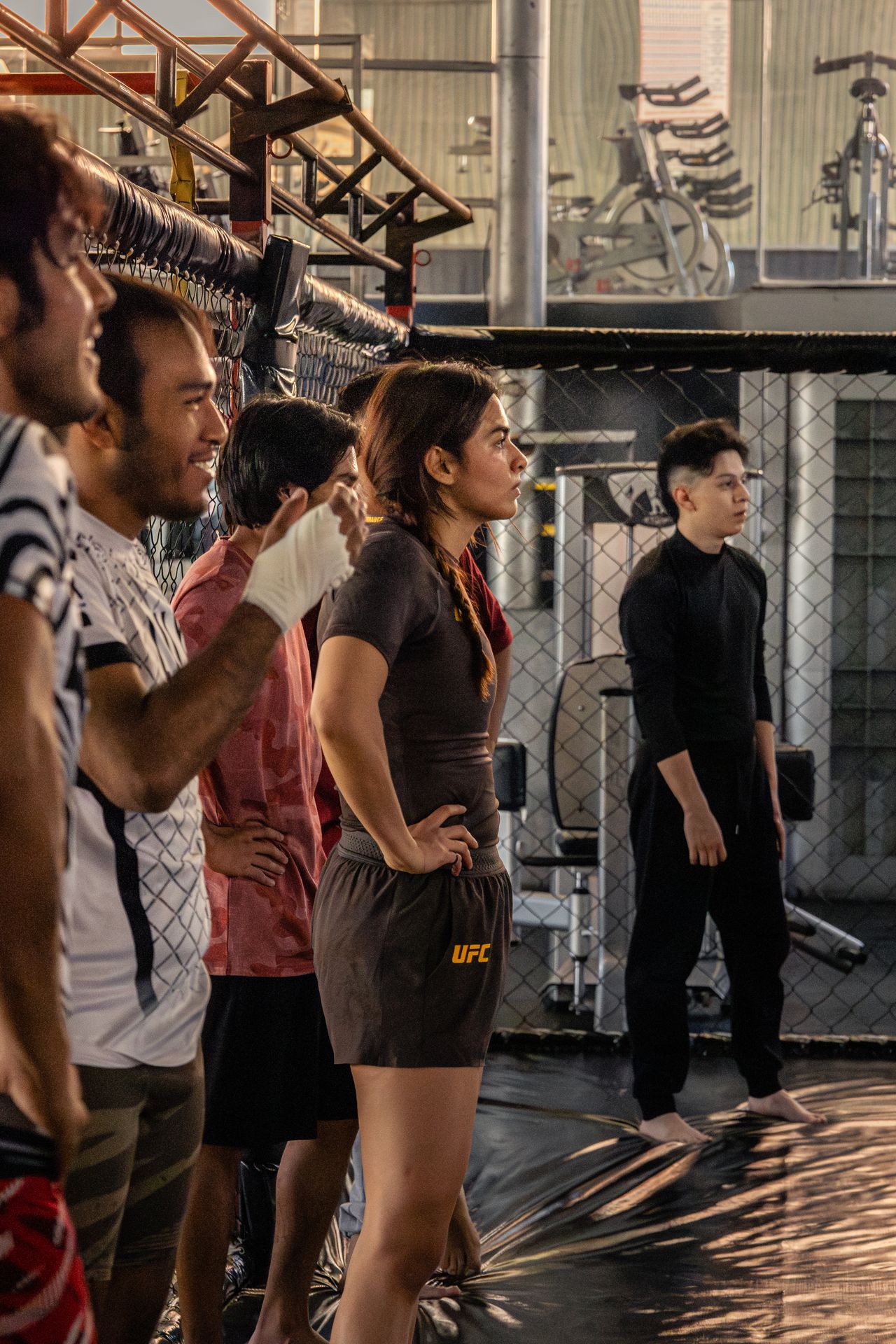
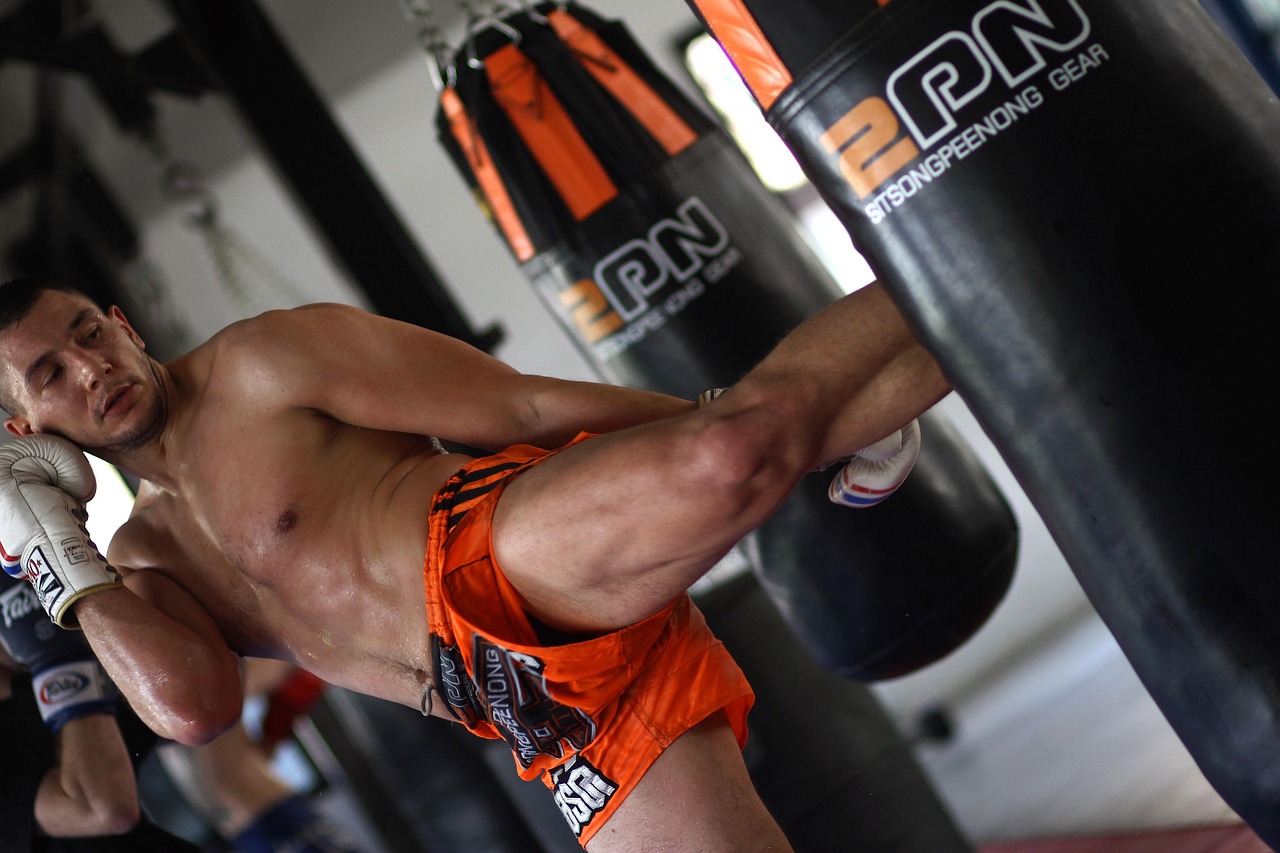
The modern scene is more varied. Buenos Aires has traditional boxing clubs, neighborhood gyms, mixed combat-sports spaces, personal-training studios, and amateur events that keep the sport active below the championship level. Boxing in the city now shares space with football culture, fitness trends, MMA, kickboxing, and jiu-jitsu, but it still has a deeper historical memory than most sports. A boxing gym in Buenos Aires does not exist in a vacuum. It sits inside a city that already knows what the sport is supposed to feel like.
The question for Buenos Aires is not whether boxing belongs there. It clearly does. The question is how the city carries its old fight identity into a modern sports environment. Luna Park, Mataderos, Bonavena, Suárez, the federation, and the neighborhood gym culture all point in the same direction: Buenos Aires remains Argentina’s boxing capital because it gave the sport a stage, a language, and a public memory.