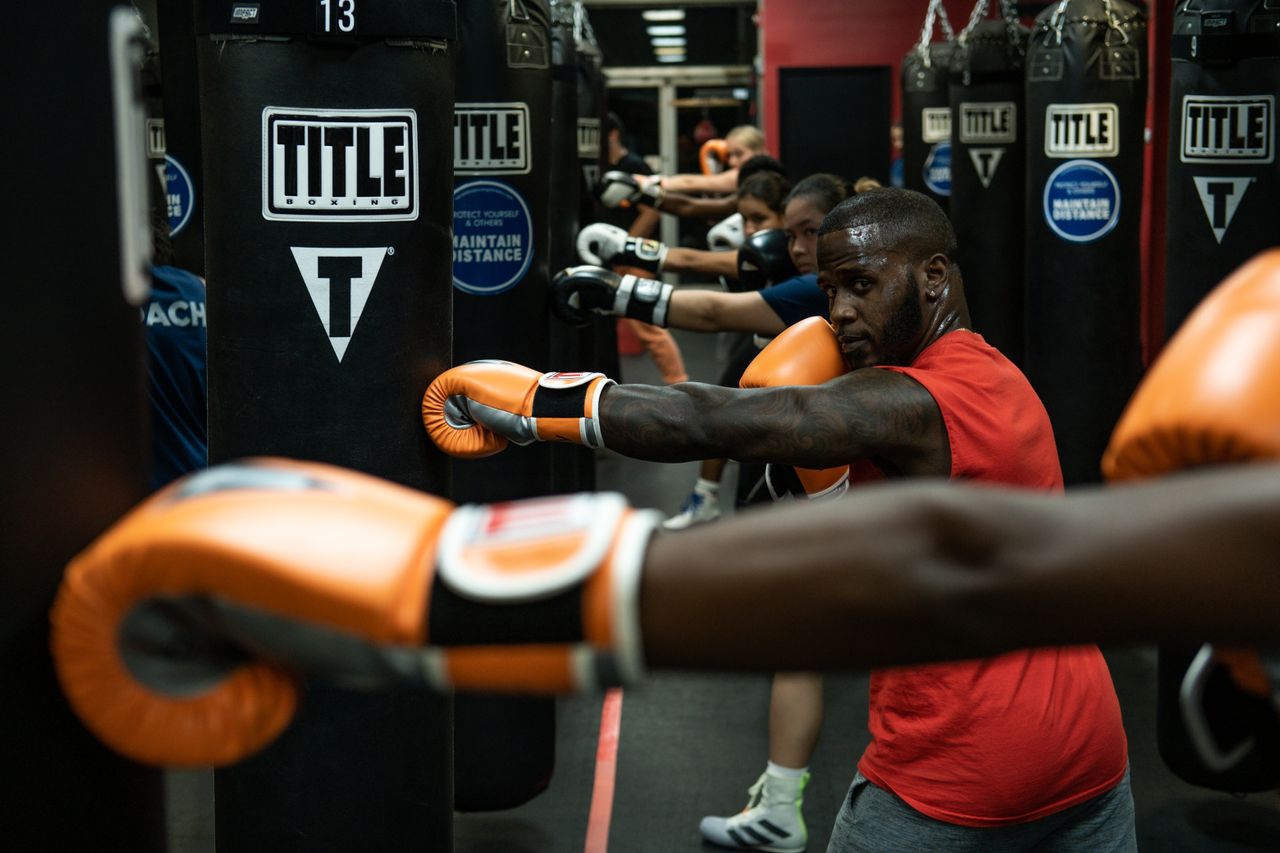
Boxing in Zimbabwe has never depended on glamour. It has been built in modest gyms, township training rooms, provincial clubs, school halls, community centres, and small fight venues where the sport survives because coaches, fighters, and local supporters keep it alive. Zimbabwe is not one of boxing’s global superpowers, and it is not a country with the huge promotional machinery of Las Vegas, London, Tokyo, Mexico City, or New York. Its boxing identity is different. It is a resilient fight culture shaped by limited resources, strong amateur roots, regional ambition, and a handful of fighters who have carried the national flag into Commonwealth, African, and world-level conversations.
That makes Zimbabwe one of Africa’s more interesting boxing countries. The sport has produced respected champions and familiar names, but its deeper story is about persistence. Fighters often have to cross borders for better preparation, stronger opponents, promotional backing, and title opportunities. Coaches work with uneven funding. Amateur boxing remains essential because it is where most fighters first learn discipline, footwork, defence, and ring craft. Professional boxing exists, but it often depends on individual ambition as much as a large domestic circuit.
Zimbabwean boxing is therefore best understood as a fighter-producing culture rather than a fight-market giant. It has produced boxers who reached beyond the country’s infrastructure, especially Langton “Schoolboy” Tinago, Proud “Kilimanjaro” Chinembiri, Alfonso “Mosquito” Zvenyika, and Charles Manyuchi, names regularly invoked in Zimbabwean boxing memory. The Sunday Mail’s 2024 reflection on Zimbabwe boxing heroes placed Tinago, Chinembiri, Zvenyika, and Manyuchi among the fighters who helped illuminate the country’s boxing history.
The Legacy Starts With Fighters Who Made Zimbabwe Visible
Zimbabwe’s boxing reputation rests heavily on its landmark fighters. Langton “Schoolboy” Tinago remains one of the country’s defining boxing figures. A product of Gweru, Tinago fought across multiple divisions and became associated with Commonwealth-level success at a time when Zimbabwean boxing was still fighting for wider recognition. He is remembered as a three-time Commonwealth champion, with NewZimbabwe describing him after his death in 2018 as one of the greatest boxers to come out of the country.
Tinago’s importance goes beyond belts. He gave Zimbabwean boxing a standard. His career showed that a fighter from Zimbabwe could succeed beyond the domestic ring, compete against better-known boxing nations, and become part of Commonwealth boxing history. In countries with larger boxing economies, champions are often absorbed into a long line of stars. In Zimbabwe, a fighter like Tinago becomes a reference point for generations. He represents what the sport can produce when skill, toughness, discipline, and opportunity align.
Proud “Kilimanjaro” Chinembiri occupies another important place in Zimbabwean fight culture. He is often grouped with Tinago and Zvenyika as part of the country’s benchmark generation, a reminder that Zimbabwe’s boxing story is not only about one great name. Fighters such as Chinembiri helped deepen the sport’s domestic mythology. They gave local gyms examples to point toward and gave younger boxers a sense that international boxing was not completely out of reach.
Alfonso “Mosquito” Zvenyika added another layer to the country’s boxing identity. Born in Mbare, he became associated with the lighter weights, where speed, timing, durability, and ring intelligence matter as much as punching power. Zvenyika’s career included Zimbabwean, regional, and Commonwealth success, and his path reflected a familiar pattern for Zimbabwean fighters: local beginnings, regional competition, and the constant need to seek bigger platforms outside the immediate home market.
These fighters matter because they established Zimbabwe’s boxing vocabulary. When people talk about boxing in Zimbabwe, they are usually not talking about a massive professional machine. They are talking about fighters who had to make themselves visible through skill and endurance.
Charles Manyuchi and the Modern Zimbabwean Boxing Imagination
If Tinago represents the classic Zimbabwean boxing hero, Charles Manyuchi represents the modern version: ambitious, internationally active, and central to how many younger fans understand Zimbabwe’s place in the professional fight game.
Manyuchi became one of Zimbabwe’s best-known contemporary boxers through his rise at welterweight and his success on African and international stages. He won the African Boxing Union welterweight title in 2013, then captured the WBC International welterweight title in 2014, steps that helped move him from regional recognition into broader boxing visibility.
His biggest moment came when he defeated Russia’s Dmitry Mikhaylenko in 2016 to win the WBC Silver welterweight title, a result that gave Zimbabwean boxing a major modern headline. Manyuchi’s career did not follow a smooth superstar arc. Like many fighters from smaller boxing markets, he faced the instability of travel, matchmaking, changing weight demands, limited promotional leverage, and the pressure of carrying national expectations into difficult fights. But that is part of why his career matters. He made Zimbabwe visible in a modern boxing world where smaller nations often struggle to gain attention unless a fighter breaks through dramatically.
Manyuchi’s later career has also shown how Zimbabwean boxing personalities can remain central to the sport even after their peak title years. His record and profile have remained active in major boxing databases, and the World Boxing Association’s fighter profile lists him as a Zimbabwean boxer with a professional record of 30-5-1. His name continues to function as a bridge between older Zimbabwean boxing heroes and current fighters trying to build careers in a difficult market.
For Zimbabwe, Manyuchi’s value is not only in the title he won. It is in the belief he created. He showed that a Zimbabwean boxer could still become relevant in an era of globalized promotions, regional sanctioning belts, televised fights, social media visibility, and international rankings. That matters in a country where young fighters often need proof that the boxing road can lead somewhere.
Amateur Boxing Remains the Foundation
Zimbabwe’s boxing future depends heavily on amateur development. The country’s professional scene is too uneven to carry the sport alone. Amateur boxing gives the system its base: youth competition, technical development, coaching structure, judging experience, national tournaments, and the possibility of international exposure through regional and Olympic pathways.
Zimbabwe has Olympic boxing history, even if it has not developed into a consistent Olympic medal power. Olympedia’s historical listing for Zimbabwe in boxing includes appearances across several Olympic cycles, including boxers such as Ndaba Dube, Ambrose Mlilo, and Arigoma Chiponda at the 1984 Summer Olympics. That Olympic connection is important because it places Zimbabwe within the larger amateur boxing world, where fighters are measured not by local reputation alone but by their ability to compete through qualification structures against the best from Africa and beyond.
The Zimbabwe Boxing Federation remains central to this amateur pathway. The country’s Sports and Recreation Commission lists the Zimbabwe Boxing Federation as the national boxing body, with its contact address in Bulawayo. In 2026, reporting from The Herald described the federation’s commitment to the Olympic pathway, with technical director Stephen Masiyambumbi emphasizing that getting a Zimbabwean boxer to the Olympics remained a key goal.
That focus reveals the shape of Zimbabwe’s boxing challenge. Olympic boxing requires more than individual toughness. It requires regular tournaments, technical coaching, international sparring, athlete welfare, medical standards, travel funding, and administrative stability. Zimbabwe has boxing talent, but talent needs repetition. Fighters need rounds against different styles. Coaches need updated education. Officials need consistency. Young boxers need a reason to stay in the sport long enough to mature.
In Zimbabwe, amateur boxing is not simply a beginner level before professionalism. It is the sport’s structural backbone.
Where Fighters Are Made in Zimbabwe
Zimbabwean boxing is strongest where local gyms and clubs act as both sporting spaces and community institutions. In many boxing countries, gyms are not polished commercial facilities. They are places where young people learn discipline, coordination, self-control, and competitive habits. Zimbabwe fits that model. The country’s boxing culture has long depended on rooms where equipment may be limited but coaching commitment remains strong.
Harare and Bulawayo are central to the boxing map because they offer population density, sporting history, administrative relevance, and better access to events. But Zimbabwean boxing is not limited to those cities. Gweru matters because of Tinago. Mbare matters because of fighters like Zvenyika and because urban neighborhoods often produce the conditions in which boxing becomes meaningful. Victoria Falls has gained attention through the story of Tobias Mupfuti and the Victoria Falls Boxing Academy, a project connected to youth development, shelter, education, and boxing opportunity. The Guardian reported in 2025 that Mupfuti’s life and academy inspired the Zimbabwean short film “Rise,” which became the first Zimbabwean film to qualify for Oscar consideration.
That story captures something essential about boxing in Zimbabwe. Boxing is not only a professional sport. It can also be a social pathway. For some young athletes, the gym offers structure where other institutions are thin. It provides routine, mentorship, physical confidence, and a competitive identity. Not every boxer becomes a champion, but a functioning boxing gym can still change the direction of a life.
The best Zimbabwean boxing environments are therefore not just places with bags and rings. They are places with coaches who can teach fundamentals, keep fighters safe, build discipline, and connect promising athletes to tournaments. The challenge is that these environments need equipment, transport, medical support, and competitive opportunities. Without those, talent remains local rather than national or international.
Professional Boxing in Zimbabwe Is Ambitious but Uneven
Professional boxing in Zimbabwe has moments of excitement, but it is not yet a large, stable, commercially deep industry. The country can produce compelling fighters, but the domestic market does not always provide enough regular shows, sponsorship, television visibility, or high-level matchmaking to keep careers moving smoothly.
That creates a familiar pattern. A promising Zimbabwean boxer may begin locally, compete regionally, chase African titles, then look toward South Africa, Zambia, Namibia, Ghana, the United Kingdom, Australia, or other markets where there may be stronger promotional structures. Fighters from smaller markets often need to become travelers. They take difficult away fights. They accept short-notice opportunities. They rely on managers, regional promoters, and cross-border events to build records and chase belts.
This has advantages and disadvantages. The advantage is exposure. Zimbabwean fighters who travel can learn quickly and test themselves against varied styles. The disadvantage is leverage. The away fighter is often entering someone else’s market, under someone else’s promotion, with less control over judging, preparation, purse size, and career direction.
For Zimbabwean boxing to grow as a professional scene, it needs more than occasional headline fights. It needs a deeper calendar: small-hall shows, provincial events, national title fights, women’s bouts, youth-to-pro transition cards, regional rivalries, better marketing, and consistent media attention. A boxing country cannot live only on its heroes. It needs activity beneath the heroes.
Still, Zimbabwe’s professional scene has one important asset: the country understands what a boxing star looks like. Tinago, Zvenyika, Chinembiri, and Manyuchi give the sport a historical ladder. Younger fighters do not have to imagine the path from nothing. They can see that Zimbabwean boxing has already produced men who reached beyond local limits.
Zimbabwe’s Place in African Boxing
Zimbabwe sits inside a wider African boxing ecosystem where geography matters. South Africa has historically had a much larger professional boxing industry. Namibia has produced major fighters. Ghana, Nigeria, Tanzania, Zambia, Uganda, and other countries all contribute to regional competition. For Zimbabwe, this African network is not secondary. It is essential.
Regional boxing gives Zimbabwean fighters the opponents and title opportunities that may not always exist domestically. African Boxing Union titles, regional belts, Commonwealth pathways, and international sanctioning opportunities are often the stepping stones between local recognition and global visibility. A Zimbabwean boxer does not need to begin as a global star. The more realistic route is local success, regional tests, African recognition, and then a chance at a larger title or ranking.
That is why boxing in Zimbabwe should not be judged only by the number of world champions it produces. The more important question is whether the country can keep fighters active, trained, and connected to the regional circuit. In boxing, inactivity can ruin momentum. A fighter can have talent, but if he or she fights once a year against uneven opposition, development slows. Regular rounds matter. Pressure matters. Different styles matter.
Zimbabwe has the boxing culture to remain relevant regionally. The challenge is building enough structure around that culture so fighters are not forced to rely entirely on individual escape routes.
Women’s Boxing and the Next Layer of Growth
Women’s boxing is one of the clearest opportunities for Zimbabwe’s boxing future. Across the world, women’s boxing has gained visibility through Olympic competition, professional champions, social media, and increased acceptance of women in combat sports. For countries with limited boxing infrastructure, women’s boxing can become a growth area if federations, clubs, and promoters take it seriously early.
Zimbabwe has the same opportunity. Women’s boxing does not need to be treated as an add-on to the men’s scene. It needs coaching attention, safe gym environments, fair matchmaking, visible amateur tournaments, and space on professional cards. Countries that invest early in women’s boxing can create international opportunities faster than expected because the field, while increasingly competitive, is still developing in many regions.
The same applies to youth boxing. Zimbabwe’s future depends on whether young fighters see boxing as a real sporting pathway rather than a short-term activity. That means schools, clubs, local authorities, and boxing administrators all matter. A young boxer needs a first tournament, then a second, then a provincial structure, then a national pathway. Without that sequence, even talented athletes drift away.
The Future of Boxing in Zimbabwe
Zimbabwe’s boxing future will not be built by copying larger fight markets. The country does not need to pretend to be Las Vegas, London, Mexico, or South Africa. Its path is more specific. Zimbabwe needs to strengthen what it already has: tough fighters, respected historical figures, committed coaches, active amateur structures, and regional ambition.
The most important growth areas are clear. Amateur boxing needs a steady tournament calendar and stronger Olympic preparation. Professional boxing needs more regular domestic shows and better commercial support. Young fighters need clearer pathways from clubs to national competition. Coaches need resources and development. Women’s boxing needs intentional investment. Media coverage needs to treat boxing as more than an occasional headline when a famous fighter returns.
Zimbabwe’s boxing identity is not shallow. It has champions, characters, gyms, communities, and a real sporting memory. What it lacks is not heart. It lacks the scale, funding, and consistency that turn scattered excellence into a durable national system.
That is why boxing in Zimbabwe remains compelling. It is a sport of hard rooms and long odds, but also one with a proven record of producing fighters who can travel, win, and become part of African and Commonwealth boxing history. Tinago gave the country a classic champion. Zvenyika and Chinembiri helped define an era. Manyuchi gave modern Zimbabwe a world-facing boxing figure. The next chapter depends on whether the country can turn that legacy into a deeper pipeline.
Zimbabwean boxing has already shown what individual fighters can do. The question now is how many more can emerge when the system around them becomes strong enough to match their ambition.