Colorado boxing has a quieter profile than the country’s biggest fight states, but it has a distinct identity built around altitude, amateur development, regional competition, and hard gym culture. The state does not usually sell itself as a national boxing capital, yet it has long offered the kind of environment that boxing people understand: disciplined training rooms, Golden Gloves history, local fight shows, and athletes shaped by physical conditioning as much as publicity.
The most obvious Colorado boxing feature is geography. Training in Colorado carries an altitude association that gives the state a different sporting feel from sea-level boxing markets. Denver, Colorado Springs, Pueblo, Aurora, and other communities have all contributed to the state’s fight culture, but the boxing identity is not only urban. Colorado’s scene has often depended on committed local coaches, amateur clubs, and regional tournaments rather than a constant stream of massive professional cards.
Colorado’s regulatory structure reflects a modern professional boxing landscape. The state’s combative sports regulation traces to the Colorado Professional Boxing Safety Act, passed in 2000, with regulation beginning through the Division of Professions and Occupations. That timing matters because Colorado’s contemporary boxing scene is not built around the same old fight-capital mythology as New York, California, Nevada, or Pennsylvania. It is more of a regional boxing state, where infrastructure, safety, licensing, and amateur development are central to how the sport operates.
Amateur boxing is especially important to Colorado’s identity. Golden Gloves programs and local clubs have helped keep the sport alive in communities where professional boxing may not always have a major commercial platform. Colorado Golden Gloves has been part of that structure, and its own organizational history points to efforts to secure and build the state’s Golden Gloves franchise in the 1990s. For a state like Colorado, that kind of amateur pathway is not secondary. It is the backbone.
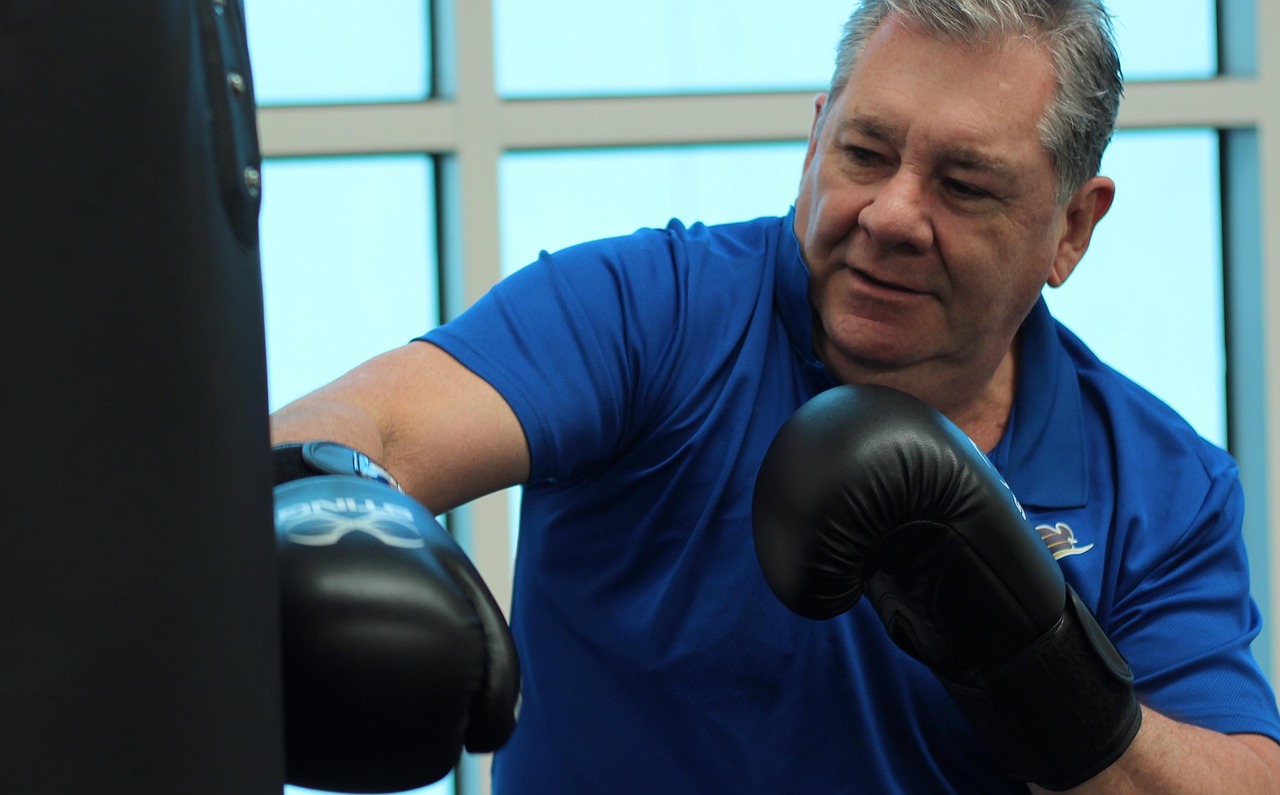
The state’s gyms tend to function as development spaces rather than celebrity factories. In Colorado boxing, the story is often about young fighters learning basic discipline, footwork, defense, conditioning, and composure before they ever become visible to a national audience. The relationship between boxing and general athletic culture is also strong. Colorado is a fitness-heavy state, and boxing fits naturally into that broader world. Some participants enter through competitive amateur boxing; others arrive through conditioning, self-defense, or combat-sports crossover training.
Professional boxing in Colorado has a regional character. Fighters may build records locally before traveling to larger fight markets, and visiting fighters may come to Colorado for club-level cards, regional matchups, or opportunities connected to Denver and Colorado Springs. That makes the state part of a wider western boxing circuit rather than an isolated boxing scene. The path from Colorado to bigger opportunities usually requires mobility. Fighters often need to move between local gyms, regional shows, and national exposure.
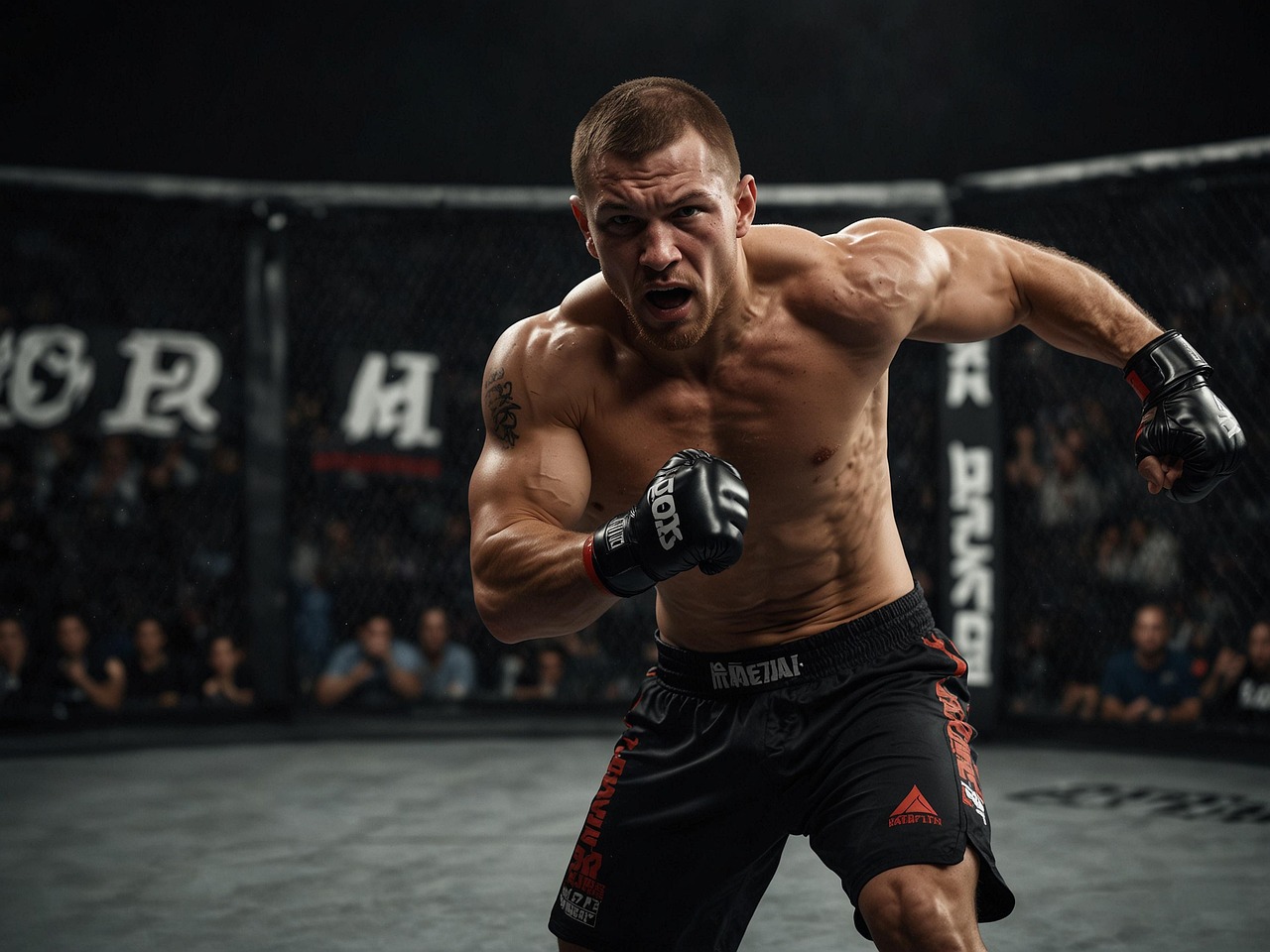
Colorado’s boxing culture also benefits from its crossover with other combat sports. Wrestling, MMA, kickboxing, and fitness striking all have audiences in the state, and boxing often shares athletes, coaches, and training spaces with those communities. That can make boxing less dominant as a standalone public spectacle, but more integrated into everyday combat-sports participation.
The future of Colorado boxing likely depends on the same things that have sustained it: local coaching, credible amateur tournaments, safe professional regulation, and gyms that can turn recreational interest into serious development. Colorado may not be a glamour boxing state, but it is a real boxing state. Its identity is practical, regional, and training-centered, with a fight culture shaped by altitude, discipline, and the steady work of clubs that keep producing athletes even when the national spotlight is elsewhere.