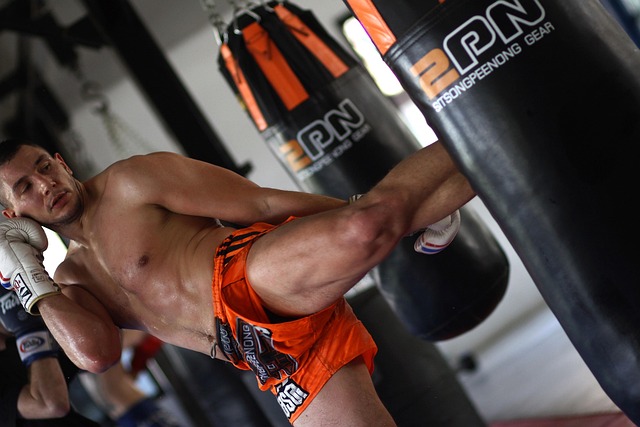
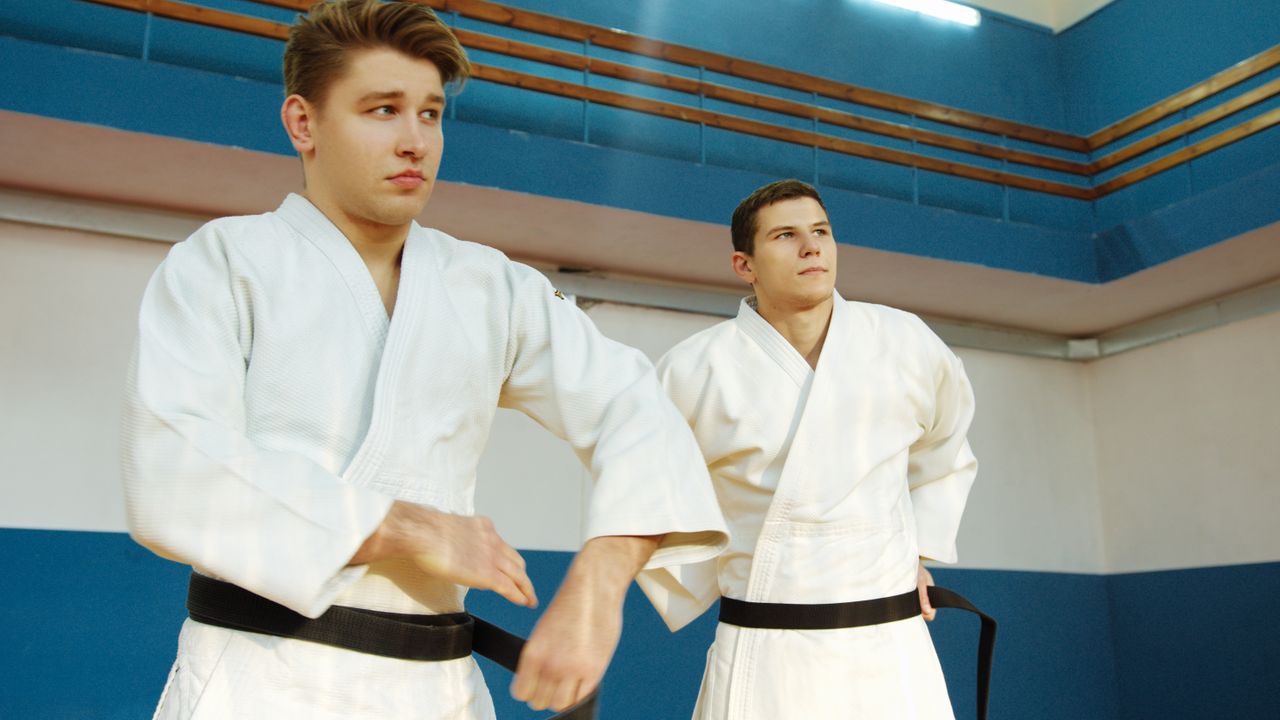
Hilton Head’s MMA identity is small, local, and Lowcountry-based. It is not a major MMA market, and it should not be treated like one. The island’s combat-sports scene is better understood through martial arts schools, nearby Bluffton training options, regional South Carolina promotions, and the broader Lowcountry connection to Charleston, Beaufort, Savannah, and inland South Carolina fight circuits.
On Hilton Head Island itself, martial arts visibility leans more toward traditional training, youth programs, self-defense, and jiu-jitsu-style participation than toward a deep professional MMA pipeline. McElroy’s Martial Arts Academy identifies itself as a martial arts school located on Hilton Head Island, with a focus on black-belt development and personal confidence. That kind of academy is important in a smaller market because it supplies the base layer of martial arts culture even when the area does not have a large pro fight scene.
The more MMA-specific local reference point is nearby Bluffton. Riptide MMA is listed in Bluffton, just off the island, and presents itself as a mixed martial arts academy for beginners, fitness students, and martial artists. Tapology also lists Riptide MMA in Bluffton with Cavin “Captain Caveman” Sunkins associated as a fighter. That makes Bluffton a practical part of the Hilton Head MMA ecosystem because many island-area athletes and hobbyists will naturally look across the bridge for fuller MMA, striking, or grappling options.
The competitive path from Hilton Head is regional rather than local. Fighters from the area usually need to connect into the South Carolina and Southeast circuit. Tapology’s South Carolina regional page places the state inside the broader US Southeast region and lists recent or upcoming fight activity in cities such as Columbia, Greenville, Charleston, and Rock Hill. That geography matters. Hilton Head is not where most of the state’s fight cards happen, but it sits within driving range of places that host more regular MMA activity.
Conflict MMA is one of the important regional names for this part of the country. The promotion describes itself as a Southeast MMA organization and states that it has promoted more than 56 events across 13 Southeastern cities. For Hilton Head-area athletes, that type of regional promotion is more relevant than waiting for major national organizations to come to the island. The Lowcountry scene depends on these Southeast cards because they provide amateur and early pro fighters with realistic competitive steps.
The training culture around Hilton Head is also shaped by the area’s demographics. The island has retirees, seasonal residents, hospitality workers, families, golfers, tennis players, and tourists. That creates a martial arts market where fitness, self-defense, kids’ programs, and recreational jiu-jitsu may be more stable than a pure fight-team model. MMA exists, but it exists around the edges of a broader martial arts and wellness environment.
That does not make the scene insignificant. Smaller MMA markets often function as feeder communities rather than destinations. A young athlete can start with karate, taekwondo, boxing, BJJ, or wrestling, sharpen skills in Bluffton or Beaufort, compete regionally through South Carolina or Georgia, and then move toward Charleston, Columbia, Charlotte, Atlanta, or Florida for higher-volume fight preparation. Hilton Head’s role is not to be a fight capital. Its role is to support the early layers of martial arts participation in the Lowcountry.
The long-term outlook is modest but stable. Hilton Head is unlikely to become a major MMA event city because its sports identity is built around tourism, golf, tennis, beaches, and recreation. But the Lowcountry has enough martial arts infrastructure nearby to keep MMA accessible. For serious fighters, Hilton Head is a starting point or home base. For most students, it is a place to train, learn, roll, hit pads, and connect to the wider Southeast fight scene when competition becomes the goal.