Chicago boxing has always carried the feel of a city sport: neighborhood-rooted, gym-hardened, immigrant-shaped, and comfortable living outside the national spotlight until a fighter forces the wider boxing world to pay attention. It is not only a place of championship names or famous fight nights. It is a boxing city because the sport fits the city’s geography: South Side gyms, West Side programs, old Catholic and park-district traditions, Golden Gloves tournaments, ethnic clubs, and practical training rooms where boxing has served as competition, discipline, and escape.
The city’s boxing identity stretches back through the early professional era, when Chicago was one of the American cities where prizefighting, club shows, newspapers, and local sporting culture overlapped. Fighters came through Chicago because it was a major transportation hub and a major fight market, but the city also produced its own. Johnny Coulon, the former bantamweight champion, remains one of the early names tied to Chicago boxing history. Barney Ross, born in New York but raised in Chicago, became one of the city’s defining boxing figures, winning world titles in three divisions and giving Chicago a fighter whose story blended ring brilliance, immigrant identity, and personal toughness.
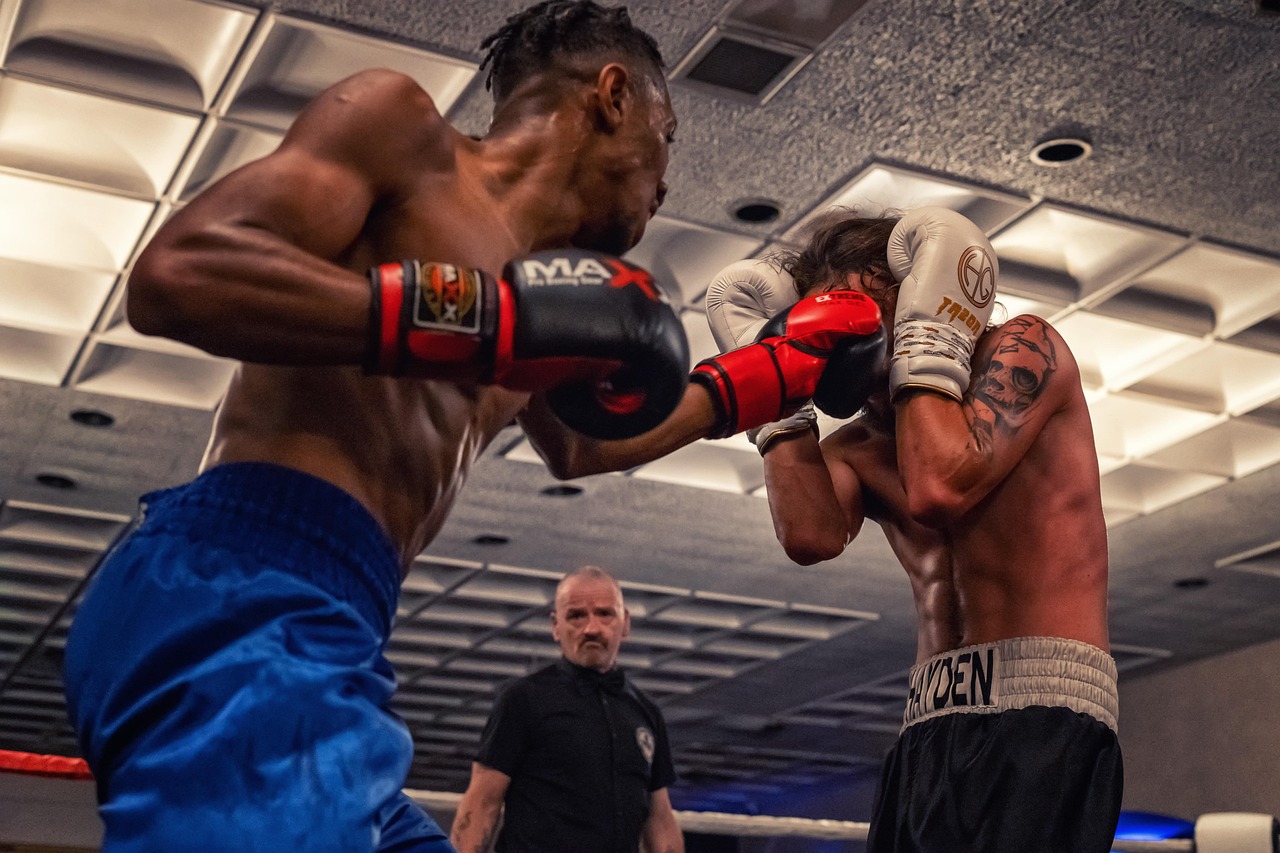
Chicago’s fighting reputation has never belonged to one neighborhood or one era. It has run through old gyms, amateur programs, and trainers who treated boxing as a craft passed across generations. The Chicago Golden Gloves tradition gave the city a structure for turning young fighters into serious amateurs, while neighborhood gyms created a second layer of development outside the glamour of big arenas. For many Chicago fighters, the first real proving ground was not national television. It was sparring against older, sharper, less forgiving fighters in rooms where reputation mattered.
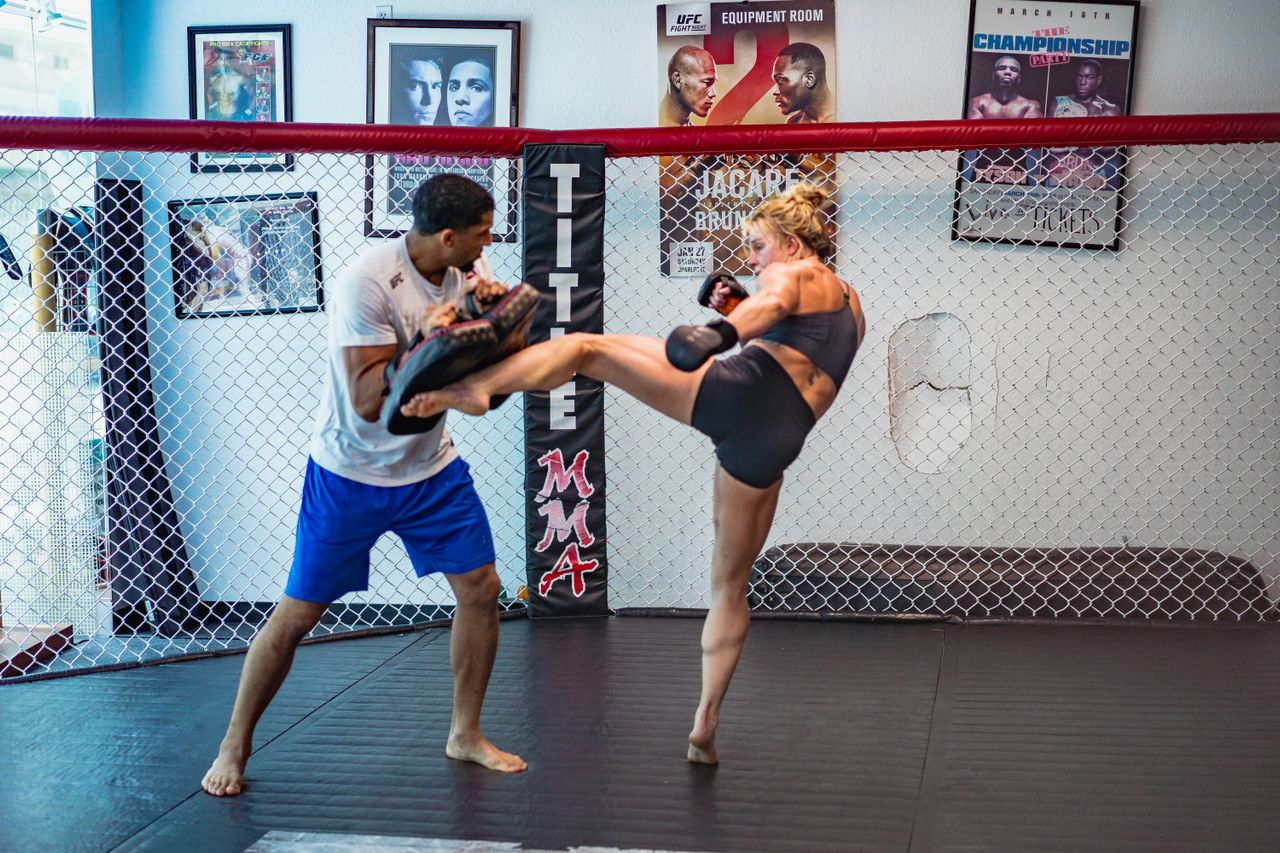
That gym culture is central to boxing in Chicago. The city has had famous boxing rooms, but its deeper identity comes from the way boxing remains embedded in local communities. Some gyms focus on competitive amateurs. Others split their work between fighters, fitness boxing, youth programs, and adults who want the discipline of boxing without chasing a professional career. That mix is important. In a city as large as Chicago, boxing survives because it is not only a pathway to prizefighting. It is also a community institution, a youth sport, a conditioning system, and a cultural inheritance.
Famous boxers from Chicago and fighters closely associated with the city give the scene historical weight. Barney Ross is the classic figure, but Chicago’s boxing map also includes tough professionals, Golden Gloves standouts, trainers, and gym owners whose influence is felt more locally than nationally. That matters because not every boxing city is measured only by world champions. Some are measured by depth, by the number of fighters who pass through the amateur scene, by the durability of their gyms, and by the way boxing remains available to each generation.
The modern Chicago boxing scene sits between tradition and adaptation. Like many American boxing cities, it competes with MMA, basketball, football, and a fitness industry that has borrowed boxing’s language without always preserving its competitive standards. Still, the city has enough population, history, gyms, and amateur infrastructure to remain a serious boxing market. Chicago can host professional cards, produce amateurs, sustain youth boxing, and maintain old-school training rooms alongside newer fitness-oriented spaces.
What makes Chicago boxing distinct is not a single champion or venue. It is the density of the scene. Boxing in Chicago feels like a sport with layers: historic champions, local legends, amateur tournaments, trainers with deep roots, neighborhood gyms, and fighters who learn quickly that the city respects toughness but rewards skill. Chicago may not always be promoted as America’s leading boxing city, but it remains one of the places where the sport still feels naturally at home.