Virginia boxing begins with Pernell “Sweet Pea” Whitaker, but it does not end with him. Whitaker gives the state one of the greatest individual fighters in American boxing history, while Hampton Roads, Northern Virginia, and smaller communities across the state give Virginia a broader boxing identity built around amateur development, local gyms, military-adjacent athletic culture, and fighters who often have to travel outside the state to reach national prominence.
Whitaker is the defining name. Born and raised in Norfolk, he started boxing at age nine, built an extraordinary amateur career, won silver at the 1982 World Championships, gold at the 1983 Pan American Games, and Olympic gold at the 1984 Los Angeles Games. As a professional, he became a world champion in four weight divisions.
What makes Whitaker especially important to Virginia boxing is that his greatness was not based on brute force or promotional mythology. He became famous for defense, balance, timing, southpaw craft, and the ability to make elite opponents miss by inches. His style gave Norfolk a place in boxing’s technical imagination. When people talk about defensive masters, Whitaker is not just a Virginia fighter who became famous; he is part of the sport’s highest-level vocabulary.
Norfolk and the larger Hampton Roads area remain central to the state’s boxing identity because they combine urban neighborhoods, military presence, athletic talent, and a tradition of tough gyms. Whitaker’s rise from Norfolk made the region visible, but the underlying environment matters too. Boxing in Hampton Roads has often operated as a discipline sport, a place where young athletes learn footwork, conditioning, restraint, and ring intelligence before they ever become prospects.
Virginia also has a meaningful women’s boxing story through Tori “Sho Nuff” Nelson. Born in South Hill and associated with Ashburn, Nelson became a multi-title women’s world champion and was inducted into the International Women’s Boxing Hall of Fame in 2022. Her career matters because it shows a different Virginia pathway: not the Olympic-to-pound-for-pound route of Whitaker, but the long, underpublicized professional climb that has defined much of women’s boxing.
Northern Virginia has its own boxing identity, shaped by proximity to Washington, D.C., regional promotions, and suburban fight events. Jimmy Lange, a Great Falls fighter who gained national attention through “The Contender,” helped give the area a local professional boxing draw. He repeatedly headlined at the Patriot Center in Fairfax and built a regional fan base around live cards that connected Virginia boxing to the broader D.C. market.
That D.C.-Virginia connection is important. A fighter in Northern Virginia is rarely operating in isolation. The boxing ecosystem overlaps with Washington, Maryland, and the Mid-Atlantic circuit. Gyms, sparring, amateur shows, and professional cards often cross borders. Virginia’s boxing culture is therefore regional, not sealed within state lines.
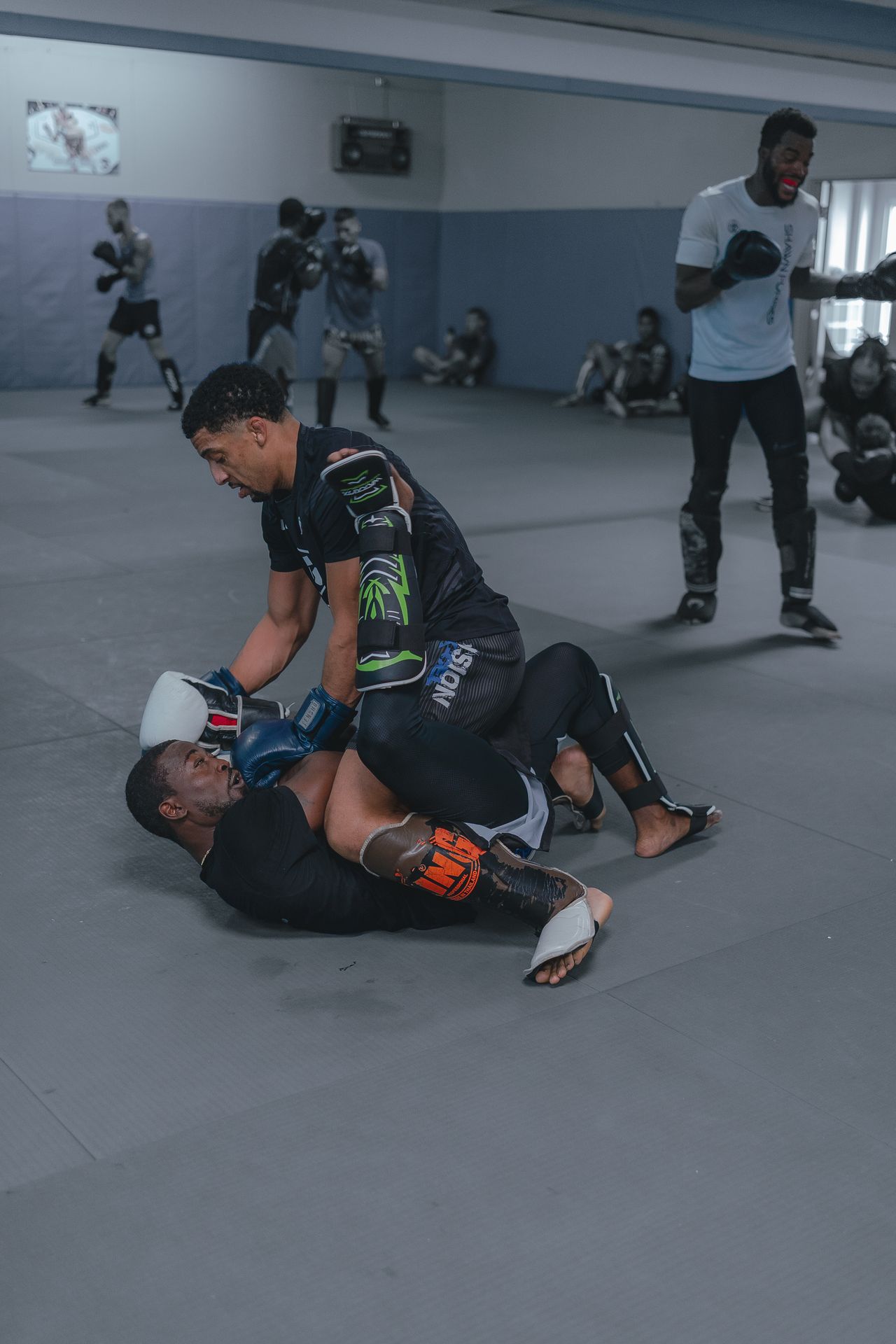
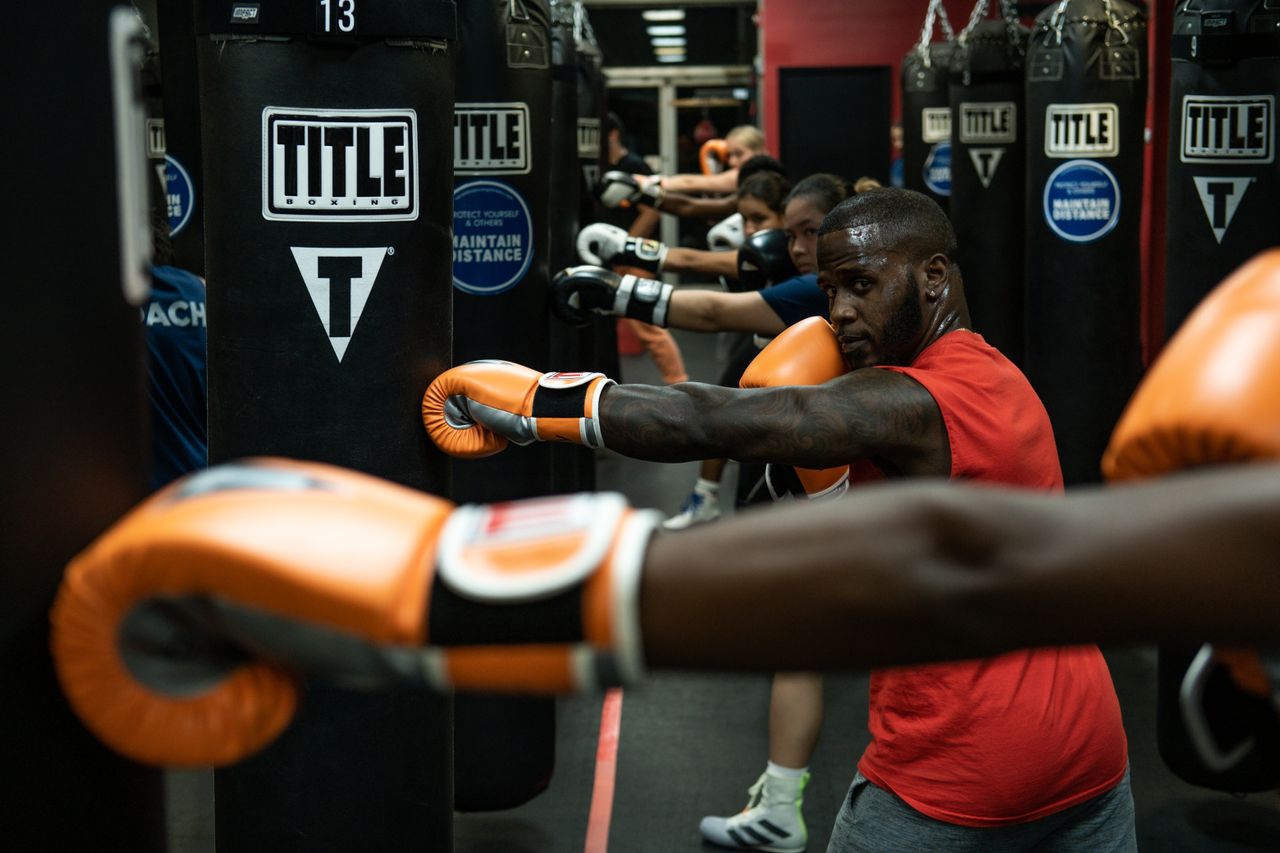
The current scene is strongest where gyms can connect youth boxing, amateur competition, and adult training. Across the state, boxing exists as a competitive sport and as a fitness discipline, but its serious boxing culture still depends on coaches who can move athletes from bag work to sparring to sanctioned bouts. Girls’ and women’s participation is also part of the modern story, with local coverage of young female amateurs in Virginia showing how the sport’s base continues to widen.
Virginia’s boxing identity is best understood as technical and regional. It has an all-time great in Whitaker, a women’s boxing champion in Nelson, a Hampton Roads core, a Northern Virginia event market, and a Mid-Atlantic competitive pathway. The state does not need to be a constant national fight capital to matter. Its contribution is sharper than that: Virginia has produced craft, resilience, and fighters who carry local gym lessons onto much larger stages.