Japan and judo as national sport heritage is not just a story about Olympic medals or martial arts technique. Judo grew from a late-19th-century Japanese reform project into a global sport, but it never fully separated from its deeper role inside Japan: education, discipline, self-mastery, and national identity. Founded by Jigoro Kano, judo turned older jujutsu traditions into a modern system built around physical training and moral development. That combination made it more than a fighting style. It became a way Japan could present itself to the world: modern but rooted, competitive but philosophical, athletic but shaped by values that reached beyond the mat.
How Judo Grew From Kodokan Reform Into Japanese Identity
Judo began in 1882, when Jigoro Kano founded the Kodokan in Tokyo. Kano was not simply trying to preserve a fighting method. He wanted to reshape martial training into something suitable for modern education. Older jujutsu schools had emphasized practical combat, self-defense, and battlefield inheritance. Kano kept the grappling core but reorganized it around principles that could be taught in schools, clubs, universities, and eventually international competition.
That mattered because Japan itself was changing. The Meiji era pushed the country through rapid modernization, and judo emerged during a period when Japan was deciding how to balance Western influence with native traditions. Kano’s system fit that moment. Judo was physical, disciplined, teachable, and modern in organization, but it still carried the language of Japanese martial heritage.
The name itself pointed to a larger idea. Judo means “the gentle way,” not because the sport is soft, but because its highest principle is efficient use of force. A smaller athlete can throw a stronger opponent through leverage, timing, balance, and control. That made judo a martial art with a philosophy: strength mattered, but intelligence, discipline, and technique mattered more.
As judo entered Japanese schools and institutions, it became connected to character formation. Students did not only learn throws, pins, chokes, and armlocks. They learned etiquette, respect, persistence, and composure. Bowing before and after practice was not decorative. It placed the contest inside a structure of mutual respect. That is one reason judo became deeply tied to Japan’s national self-image. It represented a country trying to show that martial discipline could be educational, ethical, and modern at the same time.
Japan and Judo as National Sport Heritage on the Olympic Stage
Japan and judo as national sport heritage became even more visible when judo entered the Olympic Games. Its Olympic debut came at the 1964 Tokyo Games, a symbolic moment for both the sport and the country. Tokyo 1964 was Japan’s postwar reintroduction on a global stage, and judo gave the host nation a sport that was unmistakably Japanese in origin.
That stage created pride, but also pressure. Judo was not just another event for Japanese athletes. It was a homegrown discipline being judged in front of the world. Success carried symbolic weight. Defeat could feel larger than sport because the mat represented something Japan had given to the Olympic movement.
The most famous example came in the open-weight division in 1964, when Dutch judoka Anton Geesink defeated Japan’s Akio Kaminaga. Geesink’s victory was a landmark for international judo. It proved that the sport had truly become global, not merely exported. For Japan, it was a painful but important moment: judo could no longer belong only to its birthplace.
That tension has remained part of judo’s Olympic identity. Japan still produces extraordinary judoka, and Japanese success at the Games is watched with special intensity. But the sport’s global spread has changed the meaning of that success. France, South Korea, Brazil, Georgia, Cuba, the Netherlands, Mongolia, and many others have built powerful judo traditions. Every Olympic cycle confirms both sides of judo’s story: Japan created the sport, but the world learned it well enough to challenge Japan at its own national art.
That is part of judo’s power. Its international growth did not erase its Japanese roots. Instead, it made them more visible. Every Olympic judo tournament carries an implicit connection back to Kano’s Kodokan, even when the medalists come from far beyond Japan.
Why Judo Still Carries More Than Medal Expectations
Judo still matters in Japan because it sits at the intersection of sport, education, and heritage. It is practiced by children, students, police officers, elite athletes, and martial artists who may never compete internationally. That range gives it a different status from sports that live mainly through professional leagues or television events.
At the elite level, Japanese judoka carry a particular burden. They compete not only as athletes, but as representatives of a tradition the country considers its own. The technical standards are high, but so are the expectations around conduct. Judo is supposed to show control, humility, courage, and respect. A victory won without those qualities can feel incomplete. A defeat faced with dignity can still fit the sport’s deeper code.
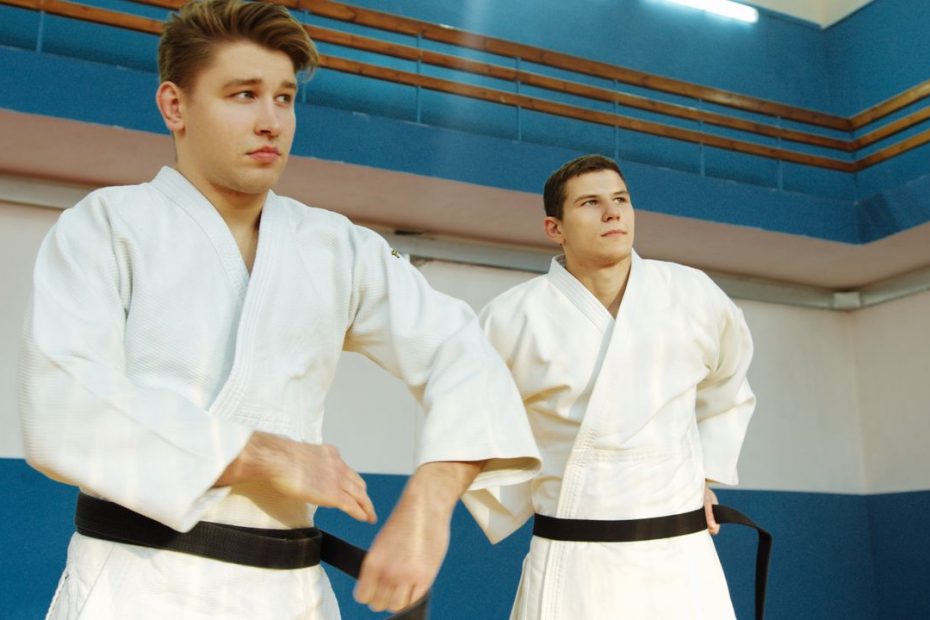
That does not mean judo has been frozen in tradition. The sport has changed repeatedly through rule adjustments, international expansion, coaching science, and Olympic politics. Modern judo is faster, more specialized, and shaped by global competition. Still, its Japanese heritage remains central to how the sport explains itself. The bow, the gi, the tatami, the ranking system, and the language of technique all preserve a connection to its origins.
The deeper legacy of judo is that it allowed Japan to turn martial inheritance into a modern global sport without losing the idea that training should shape the person as well as the athlete. That is why judo occupies a rare place in combat sports. It is a medal event, a fighting system, a school discipline, and a cultural export all at once.
Japan and judo as national sport heritage remains a story about more than dominance. Japan gave the world a sport built on leverage, discipline, and mutual respect. The world then made that sport its own. That exchange is exactly why judo still carries such meaning: it belongs to global combat sports, but its roots remain unmistakably Japanese.