Boxing in the Central African Republic is a developing fight scene shaped by limited resources, local commitment, and the difficult realities of building sport infrastructure in one of Central Africa’s most challenging environments. The country has athletic talent, physical toughness, and a youth population that can respond well to combat sports, but boxing has not had the stable national system, commercial backing, or international visibility seen in Africa’s stronger boxing nations.
That does not mean boxing is absent. It means the sport’s identity is built at ground level. In the Central African Republic, boxing depends on clubs, coaches, community organizers, and athletes who keep training even when equipment, funding, and competition schedules are inconsistent. The local gym is less likely to be a polished commercial facility and more likely to be a practical training space where young fighters learn discipline, conditioning, and basic technique. In places like Bangui, boxing can offer structure in a sporting landscape where football dominates attention and organized combat sports must work harder for visibility.
The Central African Republic’s boxing pathway is mostly amateur and regional. Fighters who want to progress need access to national competitions, Central African tournaments, African championships, and Olympic qualification events. For developing boxing countries, these tournaments matter because they provide more than medals. They expose fighters to different styles, higher levels of conditioning, and the rhythm of international boxing. A boxer from the Central African Republic may have raw ability, but without regular competition against stronger regional opponents, development can stall.
The country does not have a deep professional boxing tradition. There is no major domestic prizefighting economy, no large network of televised shows, and no regular flow of internationally ranked professionals. That makes amateur boxing even more important. It is the foundation through which fighters can gain experience, represent the country, and potentially attract opportunities abroad. For a Central African boxer, the jump from local competition to international relevance is steep. It often requires a combination of talent, institutional support, travel access, and outside connections.
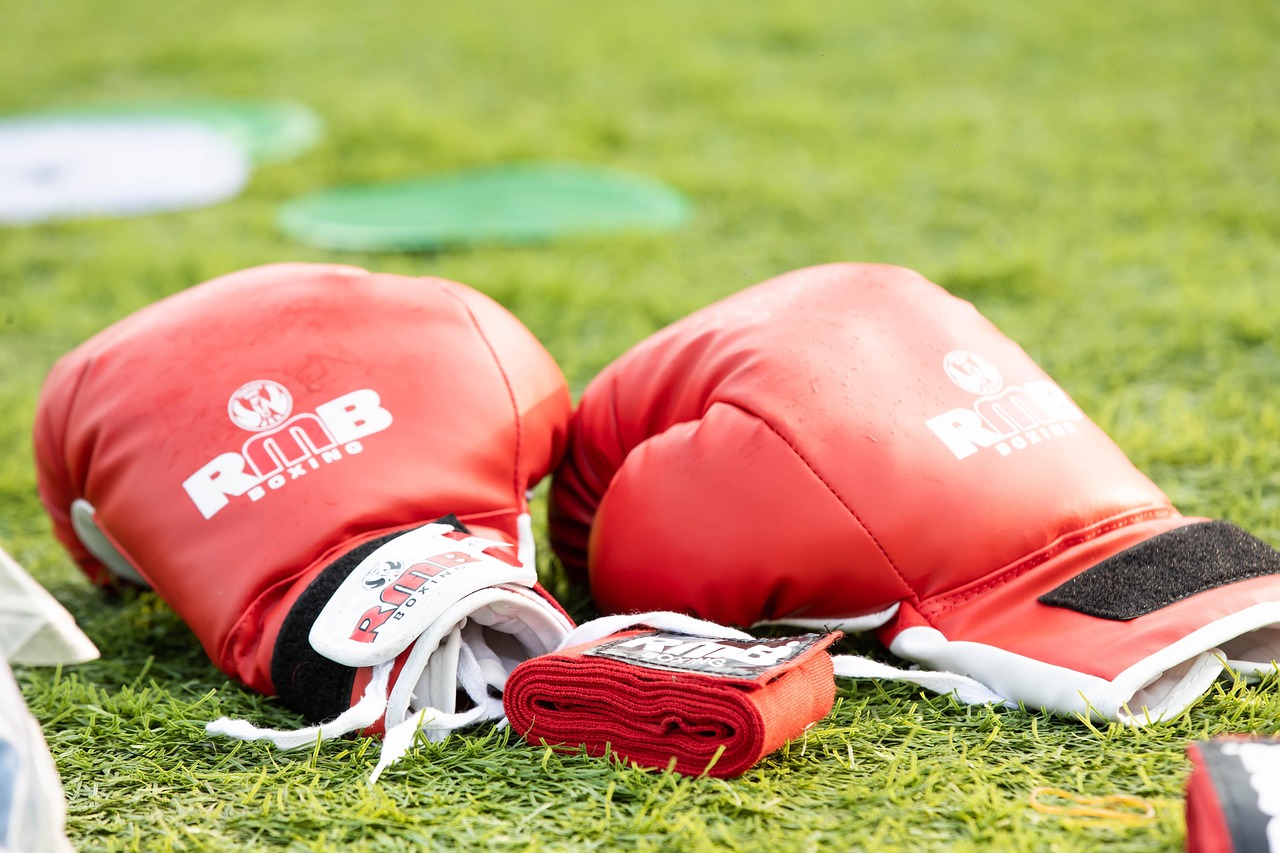
Still, boxing has characteristics that fit the country. It does not require the same infrastructure as many team sports. A serious boxing program can begin with a coach, a ring or training area, gloves, bags, conditioning space, and regular sparring. That makes the sport viable even in places where large-scale facilities are hard to maintain. The challenge is not whether boxing can exist in the Central African Republic. The challenge is whether it can be organized consistently enough to produce fighters who are ready for continental and Olympic-level competition.
Famous boxers from the Central African Republic are not widely known in the global boxing market, which reflects the country’s limited international footprint in the sport. That creates a different kind of boxing profile. This is not a country where the article begins with a line of champions. It is a country where the focus belongs on development, access, and the possibility of growth. The most important boxing figures may be local coaches, amateur organizers, and fighters who represent the country in regional events rather than household names on the professional circuit.
The future of boxing in the Central African Republic depends on basic but important building blocks: better coaching education, more youth participation, reliable national competitions, safer training conditions, and stronger links to African boxing bodies. Women’s boxing could also become part of the country’s growth if clubs and federations make space for female athletes early rather than treating the women’s side as an afterthought.
Boxing in the Central African Republic remains a small, developing scene, but it has room to matter. Its identity is not built on glamour or major title fights. It is built on whether committed athletes can turn limited resources into competitive discipline. In that sense, the sport’s future in the country will be measured not only by international medals, but by whether boxing can become a stronger, more stable part of youth sport and national representation.