Melbourne’s boxing identity sits inside one of Australia’s most active sporting cultures. The city is known globally for Australian rules football, cricket, tennis, and major events, but boxing has long held its own place in Melbourne’s fight landscape. It is not always the loudest sport in the city, yet it has a serious history, a working gym culture, and a professional scene connected to both Australian boxing tradition and the broader Pacific region.
Boxing in Melbourne has often reflected the city’s mix of local toughness, migrant communities, and event culture. Fighters have come through suburban gyms, inner-city clubs, amateur tournaments, and professional promotions that connect Victoria to the rest of Australia. The sport has had to compete for space in a crowded market, but that has also sharpened its identity. Melbourne boxing tends to value fighters who can build a following through grit, consistency, and credibility rather than relying on boxing being the automatic center of attention.
The city’s boxing history is connected to Australia’s broader prizefighting tradition. Australia has produced world champions, Olympic fighters, domestic legends, and tough professionals who made their names in local halls before moving toward larger stages. Melbourne has played an important role as a venue city and training base. It has hosted major bouts and supported gyms that serve everyone from beginners to national-level athletes. The city’s sporting public understands competition, and that helps boxing when the right local fighter or major event captures attention.
One of Melbourne’s strengths is its multicultural fight culture. The city’s boxing gyms often reflect communities with roots in Europe, the Middle East, Africa, Asia, the Pacific Islands, and New Zealand. That matters because boxing travels well through migration. Families bring fight traditions, athletes cross over from other sports, and gyms become meeting points for different styles and backgrounds. In Melbourne, boxing can mean an old-school Australian gym, a Pacific Islander athlete with heavy hands, a young fighter from a migrant family, or a fitness boxer who gradually discovers the competitive side of the sport.
The current boxing scene in Melbourne includes both professional and amateur layers. Amateur boxing remains essential because it gives young fighters structure before they face the harsher realities of the paid ranks. Clubs and coaches teach stance, defense, conditioning, and ring discipline. The amateur pathway also connects athletes to state and national tournaments, and for the best boxers, international competition. Professional boxing in Melbourne depends on matchmaking, promotion, ticket sales, and the ability to create local interest. Fighters often need to build carefully, winning domestic bouts before seeking regional or international opportunities.
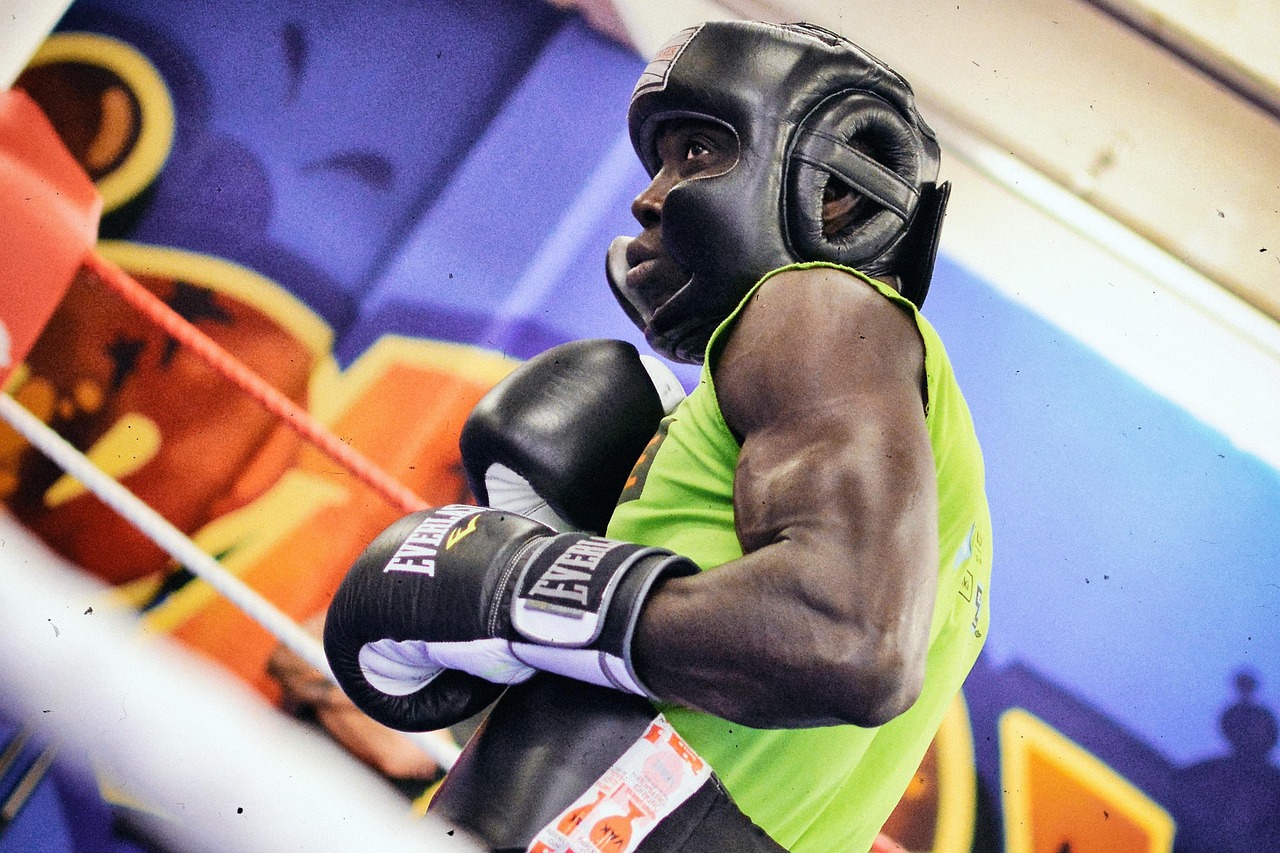
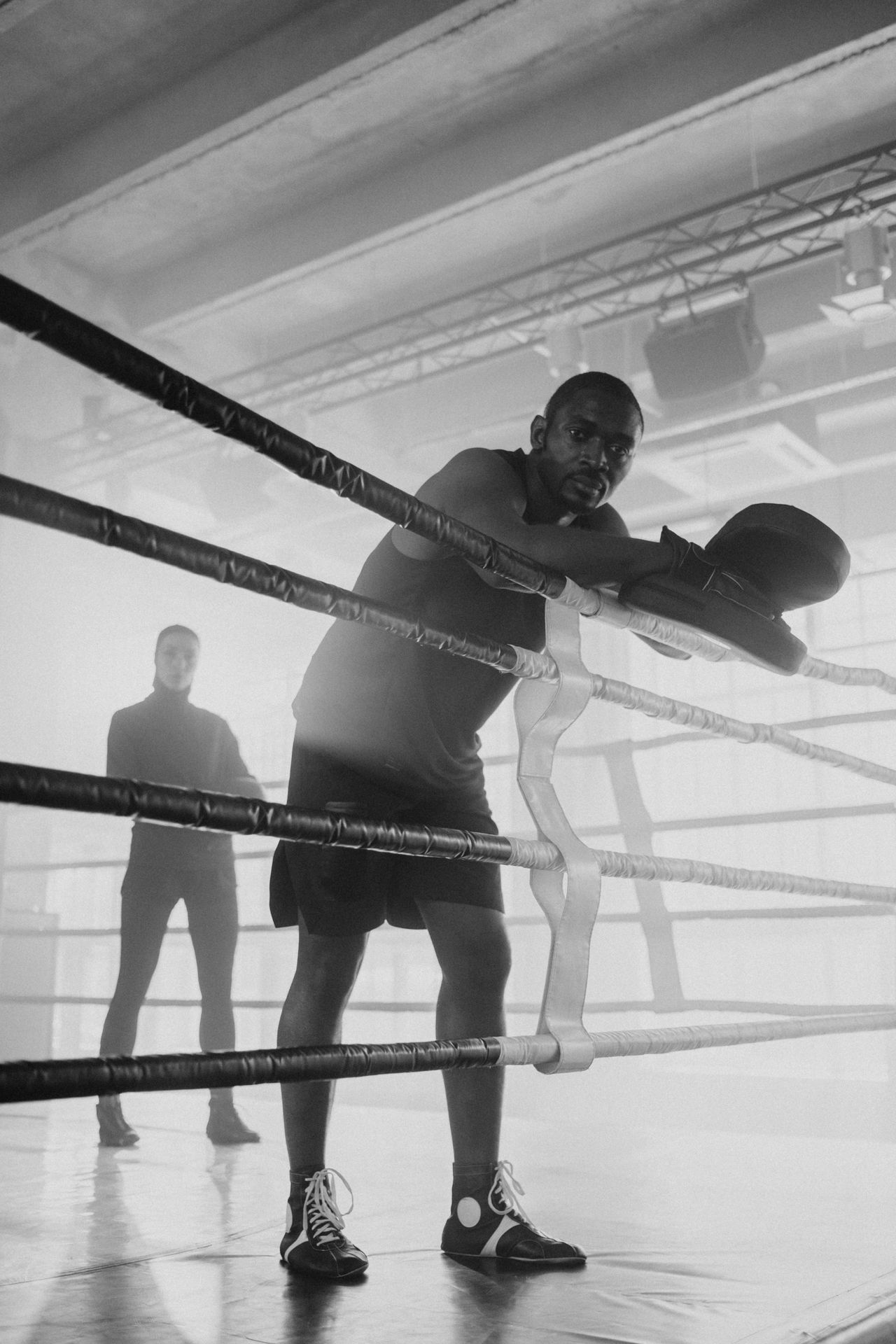
Melbourne also has a strong combat-sports crossover environment. Boxing shares space with MMA, kickboxing, Muay Thai, Brazilian jiu-jitsu, and strength training. That can create competition, but it also expands the number of people who enter striking gyms. Some athletes box for fitness, some use boxing as part of MMA preparation, and some commit fully to the ring. The challenge for boxing is to keep its specific identity clear. A boxing gym is not just a place to hit pads. At its best, it is a place where footwork, distance, timing, defense, sparring discipline, and fight IQ are taught in detail.
Women’s boxing has room to grow in Melbourne as part of the wider expansion of women’s sport in Australia. The country has become increasingly comfortable celebrating elite female athletes, and boxing can benefit from that environment when women fighters receive serious coaching and promotional support. Youth boxing also remains important, especially in suburbs where the gym can offer structure, confidence, and competition.
Melbourne’s boxing future is likely to be built through balance. It has enough sporting infrastructure to host major events, enough gyms to produce fighters, and enough cultural diversity to keep the sport fresh. It may never be defined by boxing alone, but that is not the point. Melbourne boxing is part of a larger sporting city, and its best identity comes from being tough, varied, technically serious, and connected to both Australian and international fight culture.