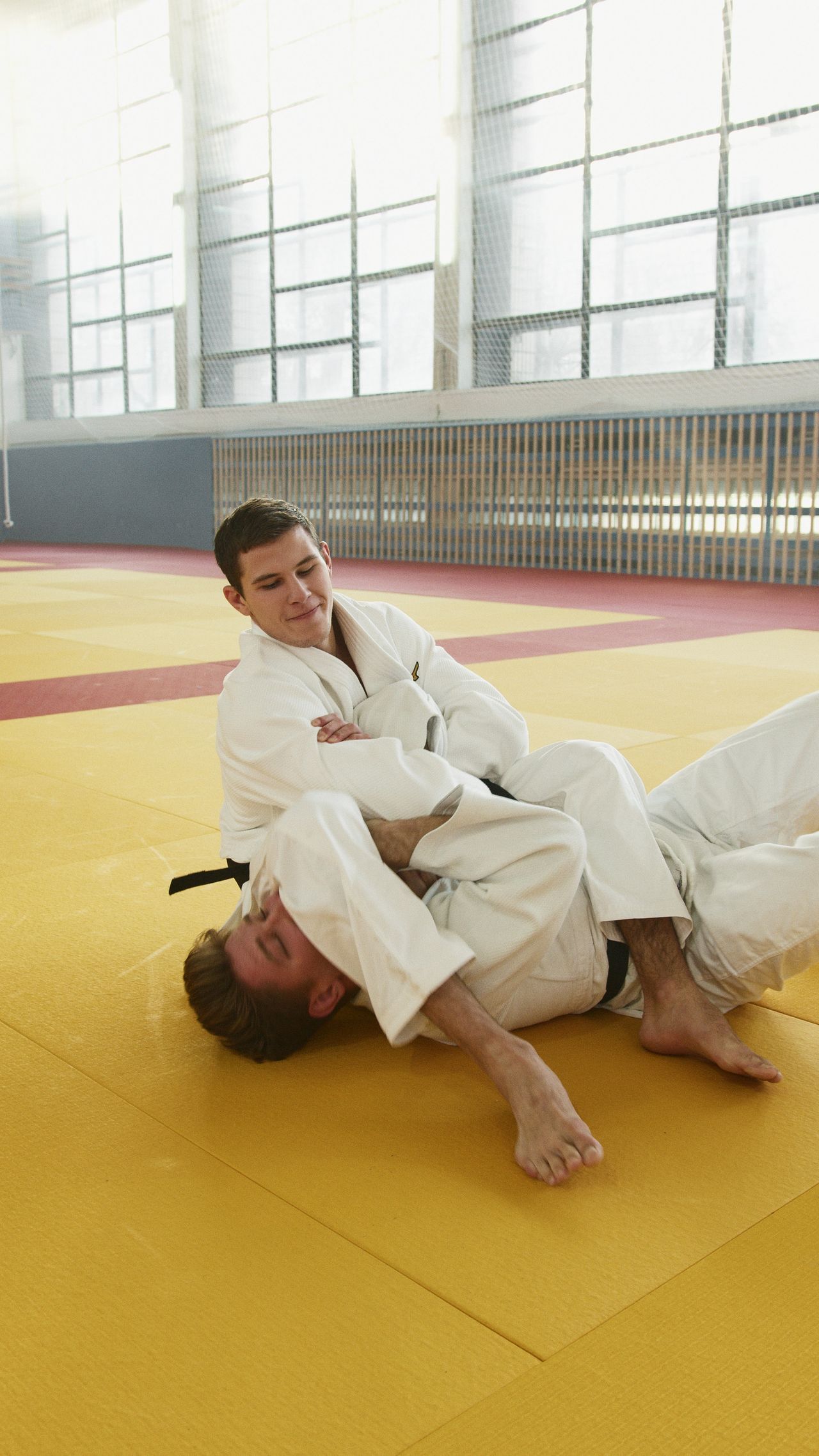
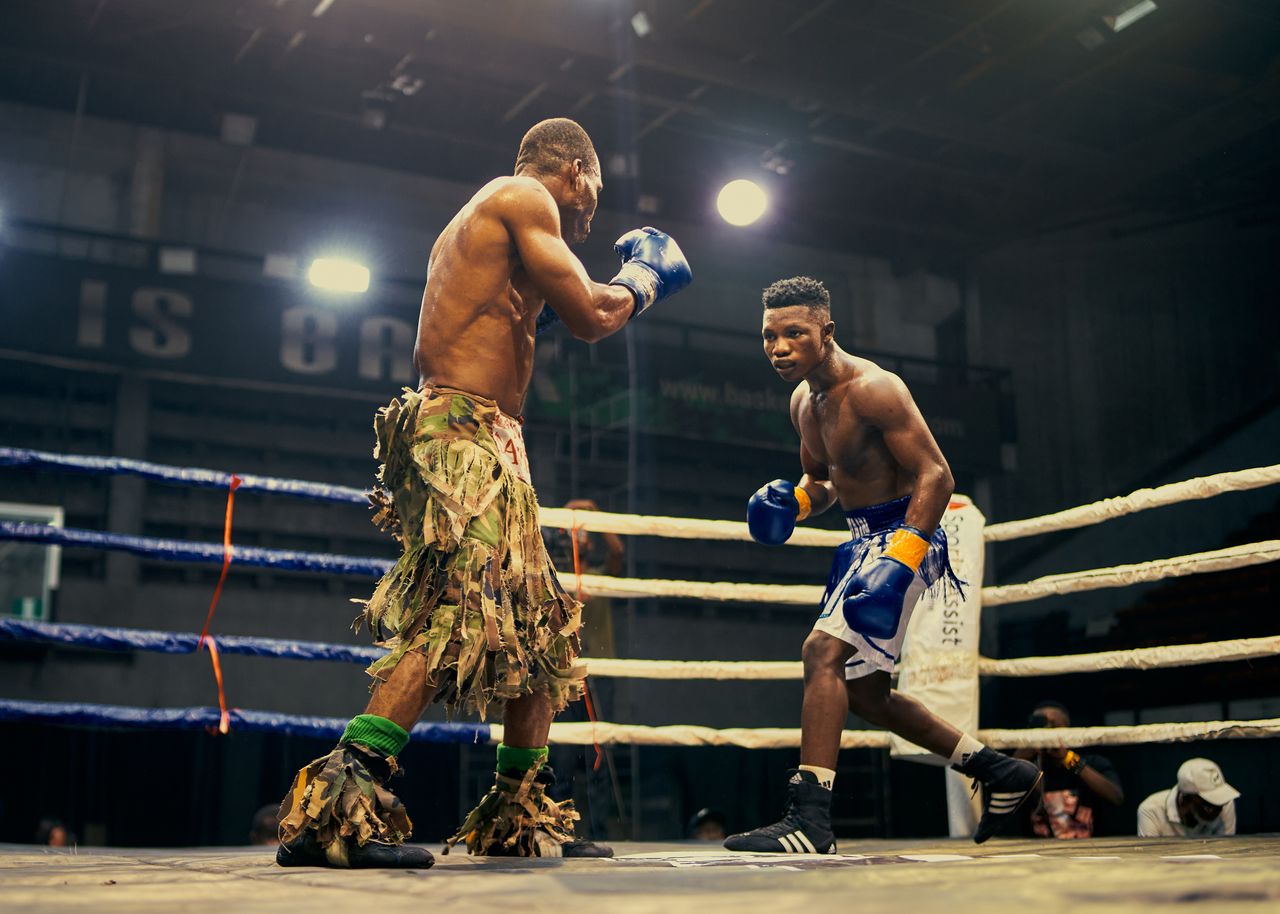
Arizona is one of the strongest MMA states in the country because it has become both a fighter-producing market and a fighter-attracting market. Unlike states where MMA is mostly local, Arizona has a national training identity. Fighters come to the Phoenix metro area not just to stay in shape, but to sharpen themselves in rooms that include UFC veterans, prospects, specialist coaches, and athletes from multiple combat-sports backgrounds.
The MMA Lab is the clearest symbol of Arizona’s rise. Based in Glendale, the gym has developed a reputation as one of the Southwest’s most important MMA training centers, with John Crouch and the Lab system associated with a long list of high-level fighters. The Lab’s importance is not only that recognizable fighters have trained there. It is that the gym helped define Arizona as a place where athletes could build complete MMA games: striking, jiu-jitsu, wrestling integration, cage awareness, and professional fight preparation.
Arizona Combat Sports, Fight Ready in Scottsdale, and other Valley-area gyms have added to that reputation. Fight Ready emphasizes Brazilian jiu-jitsu, kickboxing, boxing, fitness, and personal training, but its broader significance is that Scottsdale and the Phoenix area have become part of the national conversation around high-level MMA preparation. Arizona now has enough serious rooms that fighters do not need to leave the state to find elite coaching or demanding training partners.
The fighter list explains why the state has become so visible. Benson Henderson, Henry Cejudo, John Moraga, Ryan Bader, Efrain Escudero, Sean O’Malley, Lauren Murphy, and Mario Bautista all connect to Arizona’s MMA story in different ways. Some are natives, some relocated, some trained there for major portions of their careers, and some used Arizona gyms as the platform for national success. That mix is exactly what separates Arizona from a smaller MMA state. It is not only producing its own fighters. It is importing, refining, and retaining talent.
Mario Bautista is a strong example of Arizona’s current development model. UFC coverage has described him as a fighter built through The MMA Lab, and his rise at bantamweight shows how Arizona gyms can take an athlete from prospect status into meaningful UFC relevance. That matters because a true MMA hub is not judged only by past champions. It is judged by whether current fighters are still improving inside the system.
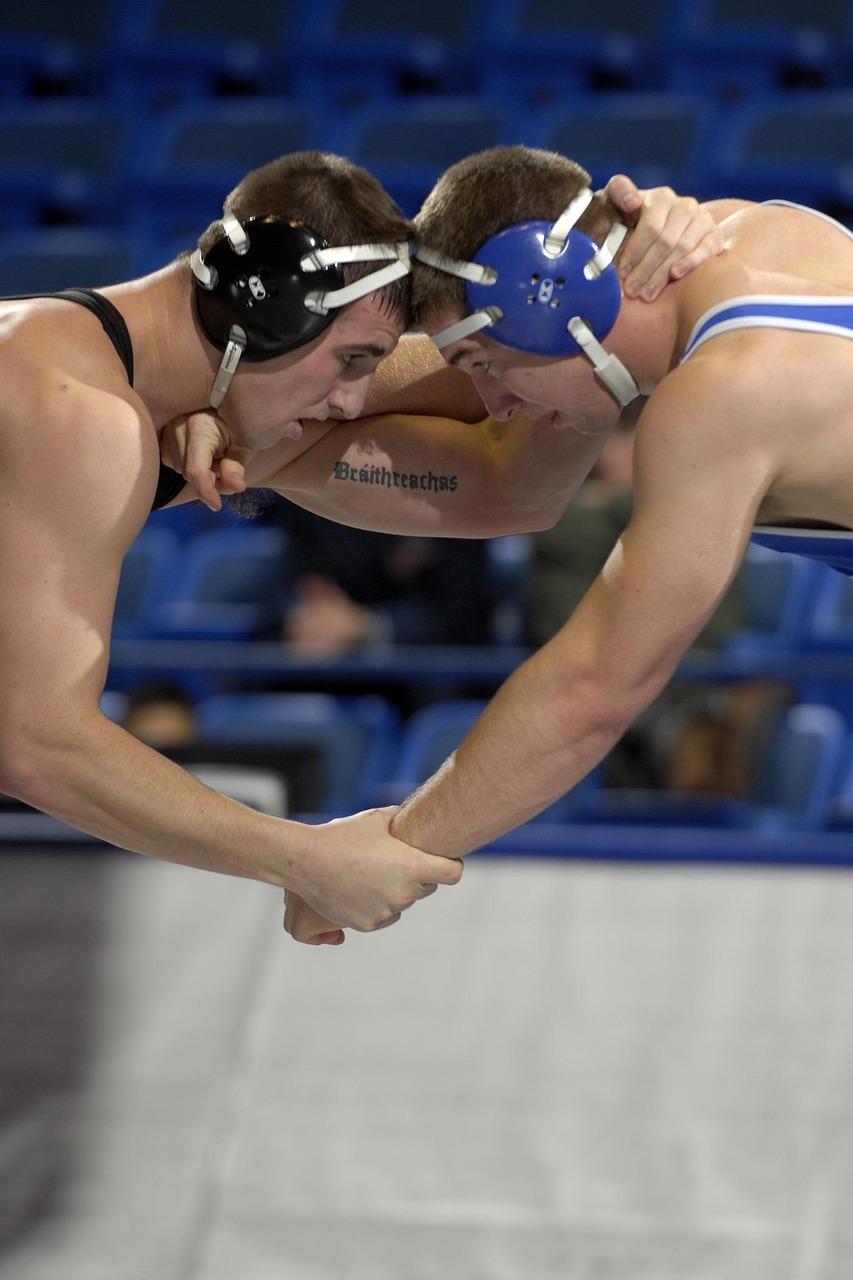
Arizona’s combat-sports roots also help. The state has a strong wrestling culture, a deep boxing presence, and a large population base spread across Phoenix, Tucson, Mesa, Glendale, Scottsdale, Tempe, and surrounding suburbs. Add warm weather, year-round training, a growing sports economy, and proximity to California, Nevada, New Mexico, and Mexico, and Arizona becomes a natural fight-state crossroads.
The event side supports that ecosystem. Arizona regulates boxing and MMA through the Arizona Department of Gaming, and the state regularly hosts combat-sports events at different levels. It is close enough to Las Vegas that fighters can access the UFC orbit without living in Nevada, but far enough away to have its own gym culture and local identity.
Arizona’s MMA future looks stronger than most states because the foundation is already layered. It has famous fighters, serious coaches, active gyms, a large athlete base, and a reputation that keeps pulling in prospects. The state is no longer just a place where a few fighters happen to train. It is a development market with national reach.
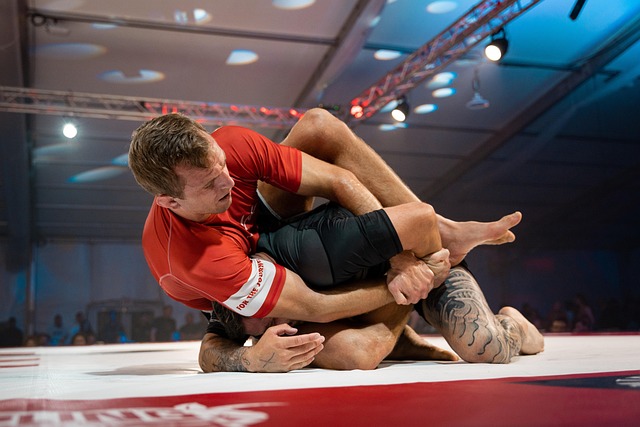
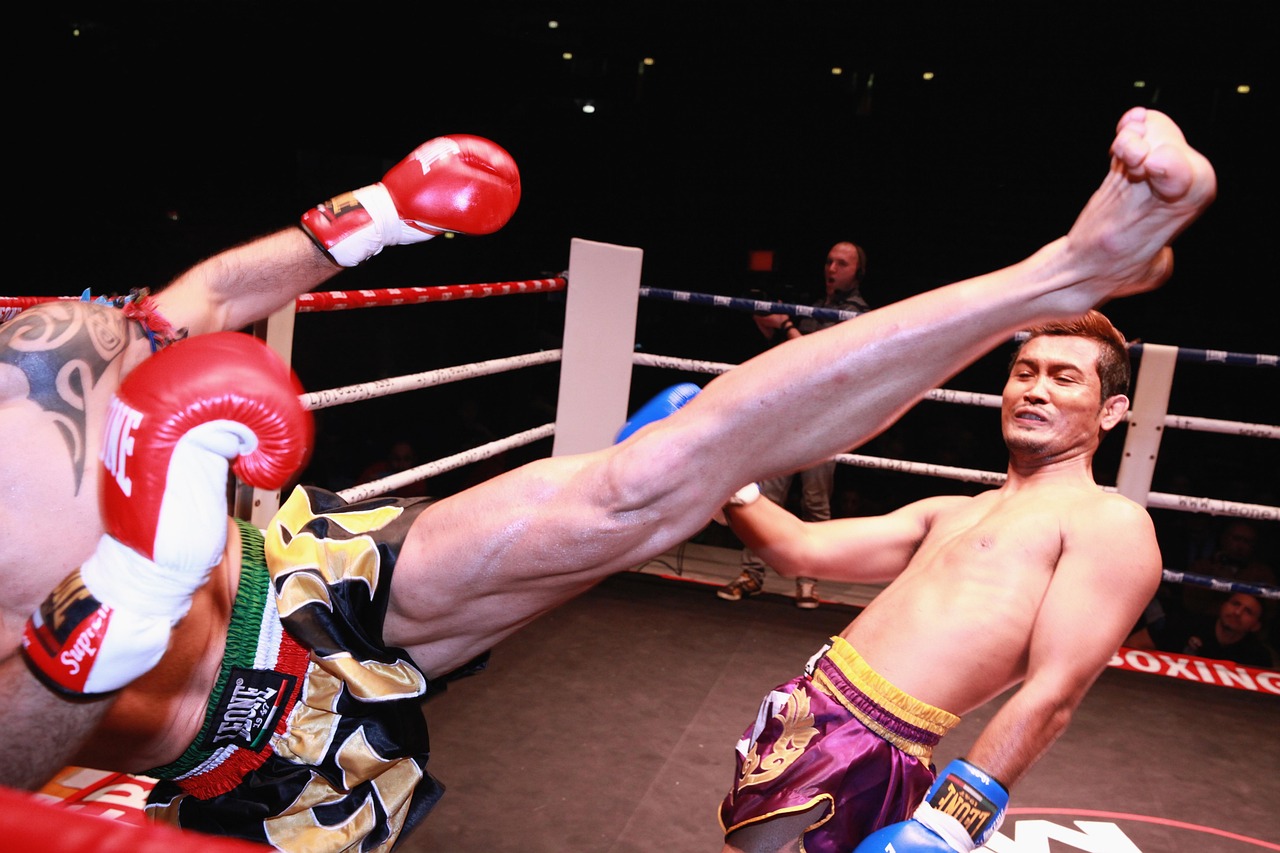
The defining feature of Arizona MMA is balance. It has enough wrestling to create grinders, enough striking culture to produce dangerous stand-up fighters, enough jiu-jitsu to round out athletes, and enough professional infrastructure to prepare fighters for major promotions. That combination makes Arizona one of the clearest examples of a modern American MMA hub: not dependent on one legend, one gym, or one discipline, but built through a network that keeps producing credible fighters.