Hong Kong boxing has a compact but distinctive identity. It is not a mass boxing nation, and it does not have the long professional lineage of the Philippines, Japan, Thailand, or South Korea. Its boxing scene is shaped by density, commercial gyms, amateur ambition, regional fight cards, and the rare fighter who becomes visible enough to make the city pay attention. In that context, Rex Tso is the defining figure of modern Hong Kong boxing.
Tso, known as “The Wonder Kid,” gave Hong Kong something it had not often had: a local boxing attraction capable of drawing mainstream attention. His professional career helped show that a Hong Kong fighter could build a following in the lighter weight classes, headline local events, and connect the city to the broader Asian boxing circuit. Tso’s popularity mattered because boxing in Hong Kong has to fight for space in a crowded sports and entertainment market. A successful local boxer does not just win fights. He makes the sport visible.
Hong Kong’s boxing culture sits at the intersection of amateur sport, fitness training, and regional professional opportunity. The city has gyms and coaches, but its professional boxing scene is limited compared with larger Asian markets. Fighters often need to connect with promoters, opponents, and title opportunities across the region. That means Hong Kong boxing is naturally outward-facing. Its fighters may train locally, but their ambitions often pass through contests against boxers from the Philippines, Thailand, mainland China, Japan, and other parts of Asia.
Rex Tso’s career reflects that regional reality. He built his name as an undefeated professional before later trying to transition toward Olympic-style boxing and represent Hong Kong, China. Olympics.com reported on Tso’s effort to adjust his approach for Olympic boxing, including his pursuit of a Paris 2024 qualification path. That shift showed a different side of Hong Kong boxing: the desire not only to produce professional entertainment, but to establish credibility in the amateur and Olympic formats as well.
Raymond Poon Kai-ching is another important name in the city’s modern boxing scene. Poon has represented the type of Hong Kong fighter trying to push beyond local recognition and into Asian-level contention. His career also shows how much influence Tso had on the next group. South China Morning Post coverage has connected Poon’s ambitions with the example set by Tso, including Poon’s desire to chase continental titles and become part of Hong Kong’s wider boxing progress.
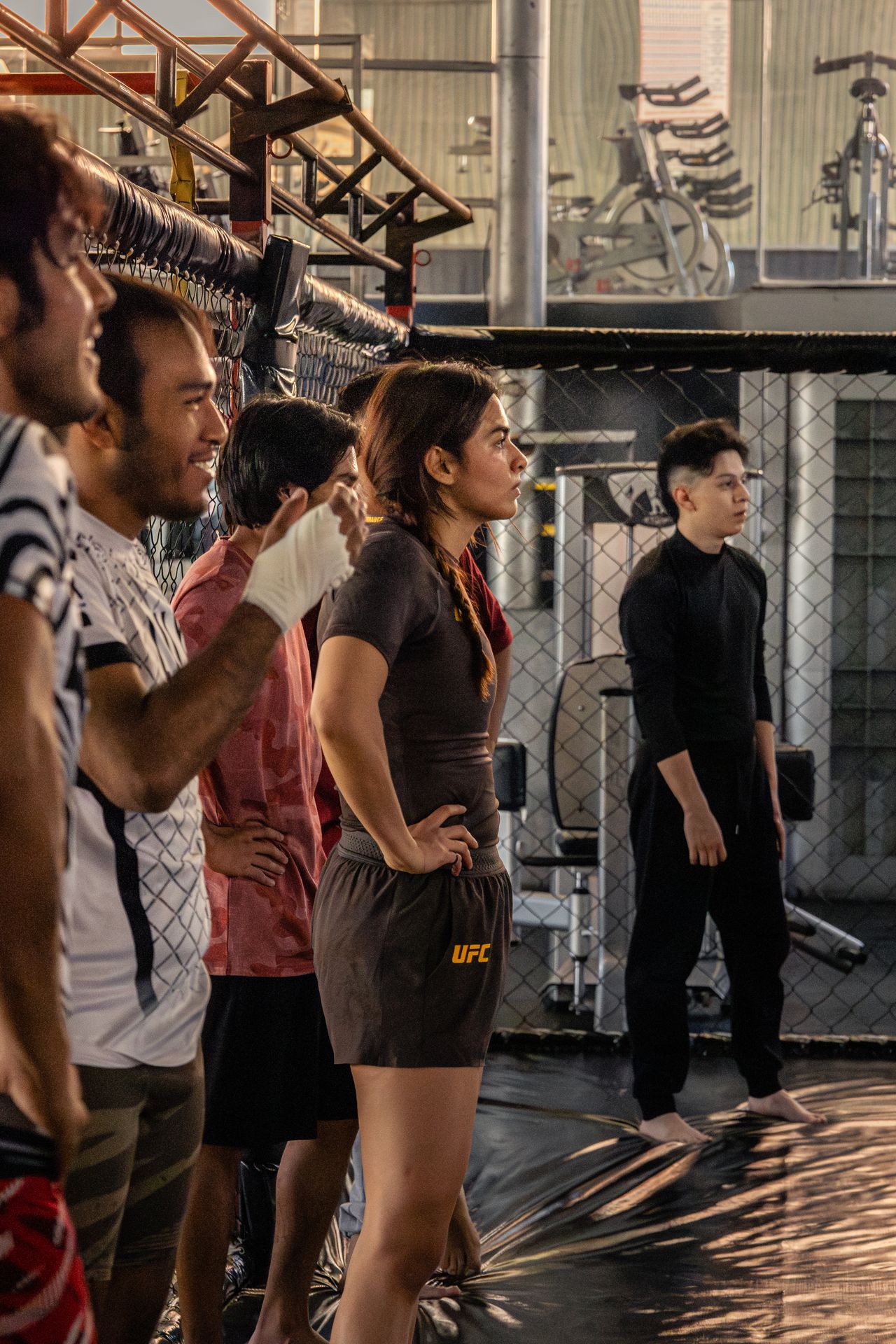
The local infrastructure is different from traditional boxing countries where community gyms are deeply tied to neighborhoods, unions, schools, or military clubs. In Hong Kong, boxing also exists through commercial fitness culture. Many people encounter the sport through boxing classes, private coaching, conditioning programs, and hybrid combat-sports gyms. That has advantages and limits. It gives the sport visibility among adults who want training and fitness, but it does not automatically produce a deep pool of amateur competitors. Competitive boxing requires a different level of sparring culture, coaching continuity, medical support, and tournament access.
That is why amateur development is crucial for Hong Kong. If the city wants to produce more serious boxers, it needs a stronger bridge between recreational boxing and competition. Fighters need early bouts, regional tournaments, technical coaching, and enough depth to avoid isolation. Hong Kong’s size makes that difficult, but its location gives it access to one of the busiest combat-sports regions in the world. Southeast Asia, East Asia, and mainland China all offer possible competitive pathways.
Hong Kong’s boxing future will likely depend on whether it can create another wave after Tso. One star can introduce a city to boxing, but a lasting scene requires more fighters, more shows, more amateur structure, and more public interest beyond a single personality. The ingredients are there: gyms, regional access, media curiosity, and a city comfortable with international sport. The challenge is turning those pieces into a durable boxing pipeline.
For now, Hong Kong boxing is best understood as a small but serious regional scene with one modern icon and a developing competitive base. It is not trying to be Mexico City, Manila, Tokyo, or Las Vegas. Its identity is narrower and more urban: disciplined gyms, lighter-weight fighters, Asian circuit ambition, and the constant search for the next boxer who can make Hong Kong watch.