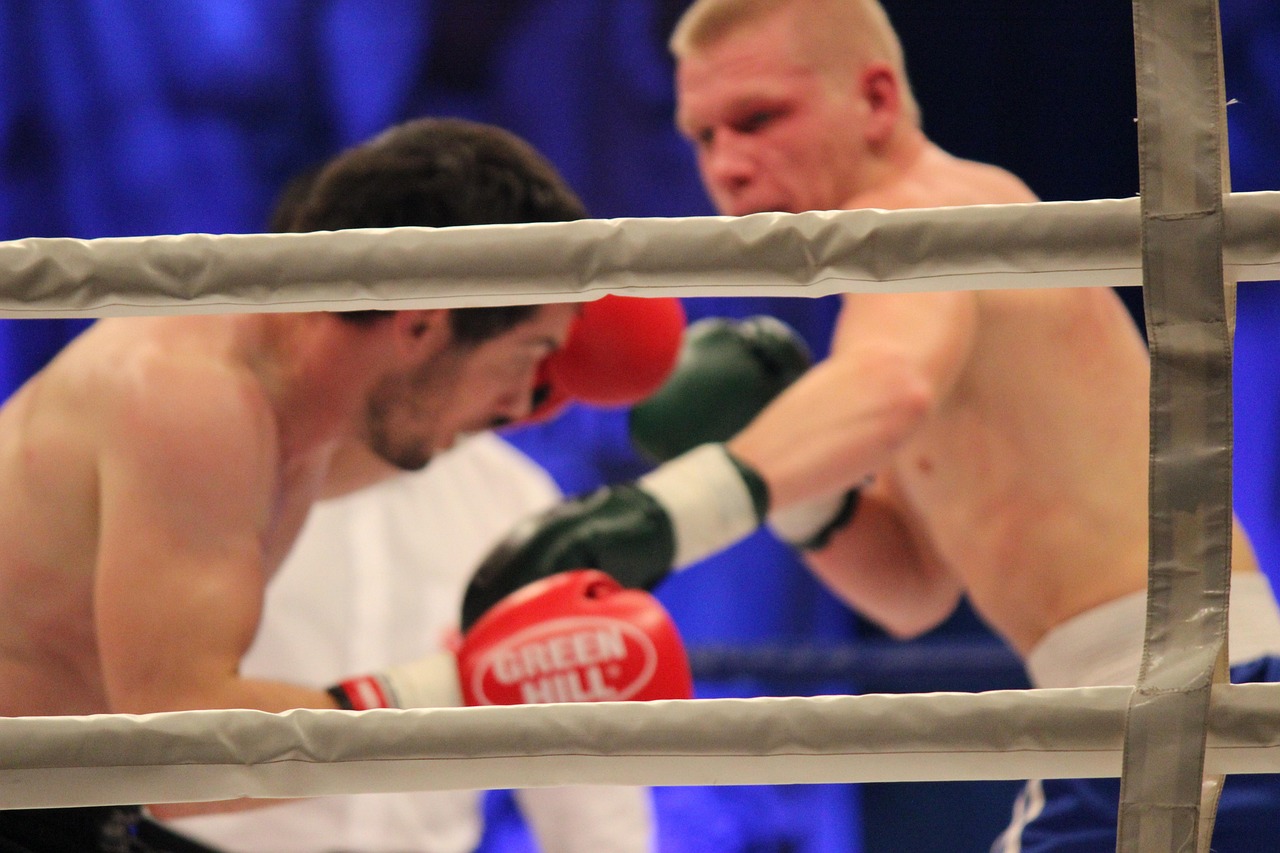
Osaka boxing has a sharp, serious place inside Japanese boxing. Tokyo often receives the international attention because of its major arenas, media concentration, and world-title events, but Osaka has long been one of Japan’s essential fight cities. Its boxing identity is rooted in gyms, local pride, technical discipline, and the Kansai region’s appetite for tough, skilled competitors. Boxing in Osaka feels less like spectacle and more like craft.
Japan’s boxing culture is one of the strongest in Asia, especially in the lighter weight classes. The country has produced world champions across flyweight, bantamweight, super bantamweight, featherweight, and other divisions where speed, precision, conditioning, and tactical control matter. Osaka fits naturally into that landscape. The city has produced and supported fighters who understand that Japanese boxing rewards discipline: clean fundamentals, repeatable training habits, weight management, sharp combinations, and the ability to fight at a high pace without losing form.
Osaka’s place in Japanese boxing is also tied to the gym system. In Japan, professional boxing is closely organized around gyms that function as training centers, management bases, and identity markers. A fighter’s gym is not just where he or she trains. It is often the institution that shapes matchmaking, development, licensing, and career direction. Osaka’s gyms are part of this national structure, giving fighters a clear but demanding path from novice to professional.
The city’s boxing culture has often been associated with intensity and directness. Osaka is known within Japan for its strong local personality, and that carries into sports. Fighters from the region are expected to be technically prepared, but also mentally durable. The Kansai boxing environment is competitive because athletes are not only chasing local recognition. They are trying to stand out in a country where the lighter divisions are deep, crowded, and internationally respected.
Famous boxing names connected to Osaka and the surrounding Kansai scene have helped give the city its reputation. Japanese boxing fans understand that greatness does not come only from Tokyo. The western part of the country has produced champions, contenders, and memorable domestic rivals who sharpened themselves through the Japanese rankings before reaching regional or world level. In Osaka, a fighter’s rise is often measured first through domestic credibility. Before international attention arrives, a boxer has to survive the local and national ladder.
Amateur boxing also matters, though Japan’s professional gym structure gives the sport a different feel from countries where Olympic boxing dominates the identity. Young fighters may come through school, university, or amateur competition before turning professional, but the professional gym remains central to the boxing imagination. In Osaka, the dream is often tied to the disciplined climb: debut, four-round fights, domestic tests, Japanese ranking, regional titles, and eventually a world opportunity.
Osaka’s fight scene benefits from the city’s size and its role as a major urban center. It has the population, transportation, venues, and sports audience needed to support boxing. It also sits within a dense regional network that includes Kyoto, Kobe, Nara, and other parts of Kansai. That creates a steady environment for gyms, sparring, local shows, and fan support. Fighters do not have to develop in isolation. They are part of a wider Kansai combat-sports ecosystem.
Boxing in Osaka also exists alongside Japan’s broader interest in martial arts and combat sports. Kickboxing, karate, judo, wrestling, and mixed martial arts all have visibility in the country, but boxing maintains its own prestige because of Japan’s world-title success. The sport has a clear professional ladder and a strong fan base that understands technique. Osaka’s boxing audience is not merely watching for knockouts. It appreciates pace, timing, courage, and the small technical adjustments that decide fights.
The future of Osaka boxing is tied to Japan’s continued strength in the lower and middle weight classes. As Japanese fighters remain prominent internationally, cities like Osaka will keep supplying the depth behind the champions. The city may not always be the front-facing capital of Japanese boxing, but it is one of the places where the sport is made serious. Osaka boxing is built on gyms, standards, regional pride, and the belief that a fighter earns respect through the work long before the title fight arrives.