Vanuatu’s MMA identity is best understood as a small Pacific combat-sports scene with more foundation than finished professional infrastructure. It is not a country with a deep UFC lineage, a major domestic promotion, or a long list of internationally ranked mixed martial artists. Its MMA story is closer to the early stage of development: athletes learning through judo, boxing, karate, taekwondo, jiu-jitsu, self-defense programs, and regional Pacific competition before anything resembling a complete MMA pipeline can fully mature.
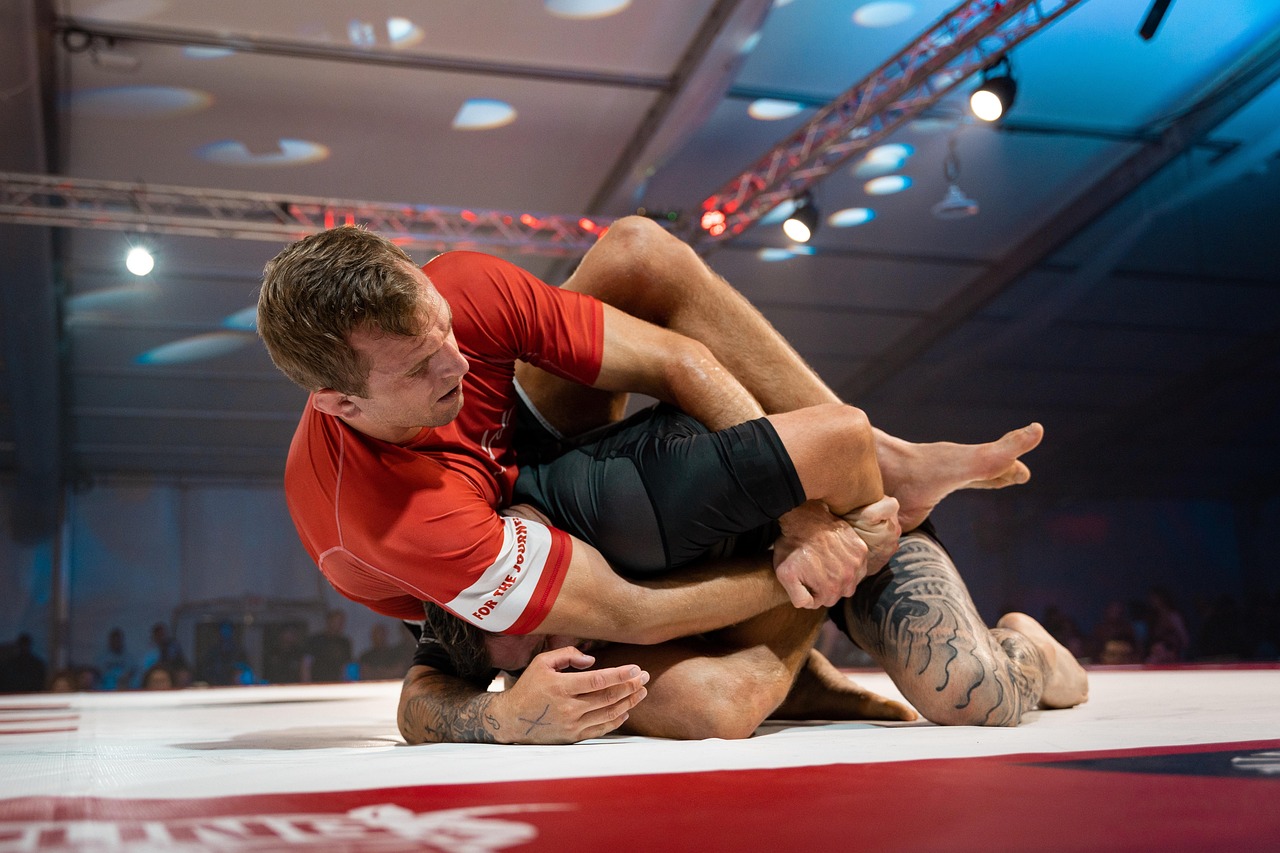
That matters because Vanuatu does have combat-sports ingredients. The country has an established judo presence through the Judo Federation of Vanuatu, which is listed by the International Judo Federation with its base in Port Vila. Judo gives Vanuatu one of the most practical foundations for MMA because it teaches balance, clinch control, takedowns, trips, throws, grip fighting, and competitive discipline. Those skills do not automatically create MMA fighters, but they give athletes a serious grappling base if gyms can add striking, cage wrestling, submission defense, and round-based MMA sparring around it.
Vanuatu’s judo results also show that combat sports can succeed in the country when athletes have organization, coaching, and competition access. At the 2023 Pacific Games, Vanuatu’s judo team won the country’s first three medals of the Games, with Veronica Tari, Anna Bumseng, and Priscilla Monthuel earning one silver and two bronze medals. That kind of result is important for MMA because small scenes often begin with individual combat sports proving that local athletes can compete regionally before mixed martial arts becomes a separate competitive identity.
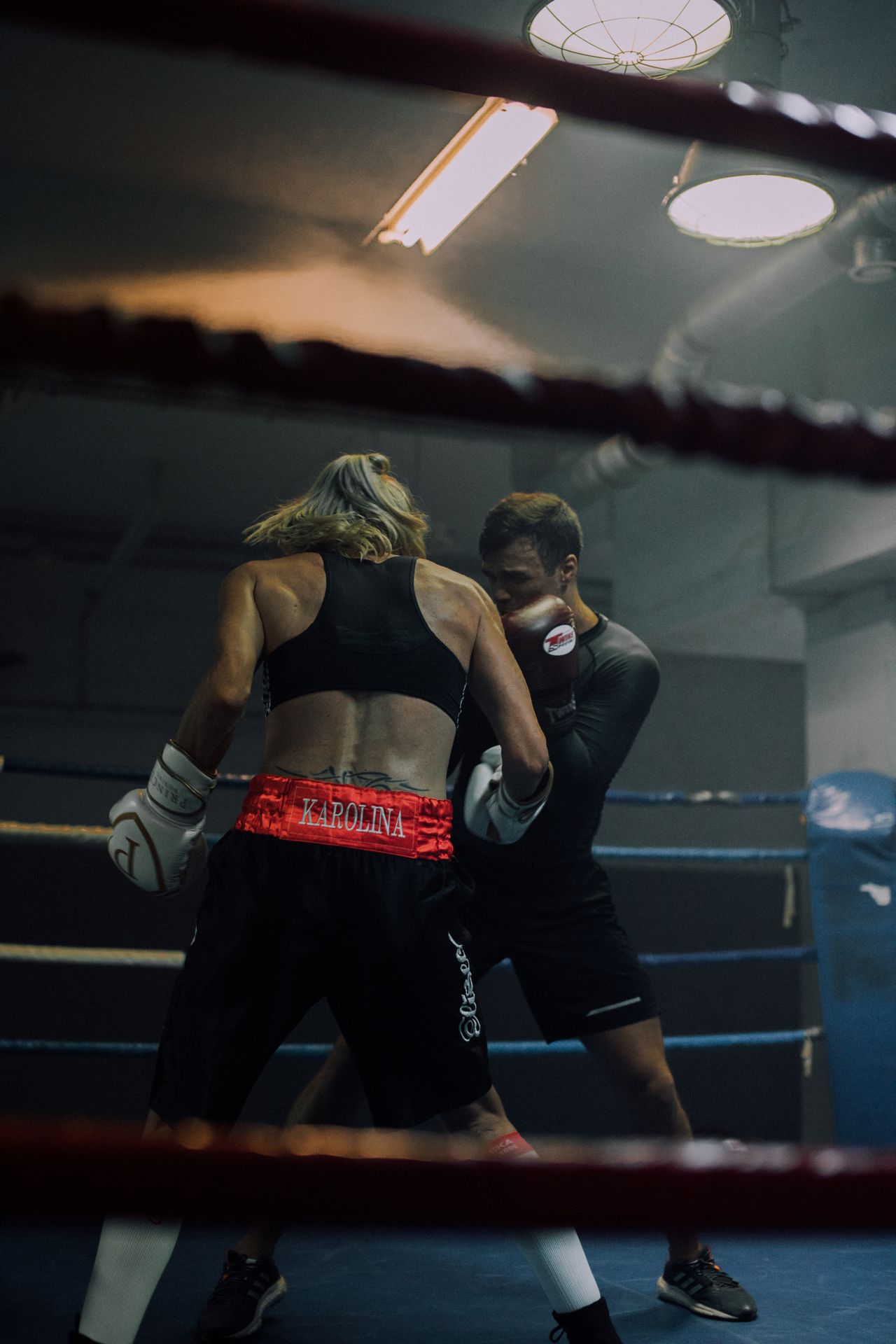
The same is true of boxing and karate. Vanuatu has sent combat-sports athletes to Pacific Games competition, including boxing and karate entrants at previous editions. Those sports offer the kind of stand-up base that an MMA system needs, especially in a country where a single all-in-one MMA gym network may not yet exist. In a small island nation, the future MMA athlete is more likely to be built by cross-training than by entering a complete MMA academy from childhood: boxing for hands, judo for throws, karate or taekwondo for distance, and jiu-jitsu or wrestling-style training for ground control.
The visible professional MMA record for Vanuatu remains thin. Tapology lists a group of Vanuatu-associated MMA fighters, but the available records are largely undeveloped or inactive rather than evidence of a mature pro circuit. Names such as Berri Namri, Boe Warawara, Erick Wasab, Esrom Nomleas, Fred Nasep, Jimmy Kalai, Johnny Thomas, Josky Tovor, and Kali “The Malekula Kid” Jacobus appear in Vanuatu fighter listings, but most are not attached to the kind of extensive professional résumés that would suggest a stable national MMA ladder.
That does not make the scene irrelevant. It simply means Vanuatu should be profiled as a grassroots and crossover market. Its MMA future depends less on one famous athlete and more on whether local martial arts schools can connect to regional opportunities. For Vanuatu fighters, the realistic competitive map runs through Oceania: Australia, New Zealand, Fiji, Samoa, New Caledonia, Papua New Guinea, and other Pacific settings where combat-sports athletes can find larger events, better sparring depth, and more regular matchmaking.
Geography is both a challenge and an advantage. The challenge is obvious: a small population, limited gym density, travel costs, and fewer domestic events make it difficult to build records or maintain high-level fight camps. MMA requires bodies in the room. Fighters need wrestlers, strikers, submission grapplers, coaches, and training partners who can simulate different styles. In a small scene, one good athlete can quickly outgrow the available sparring.
The advantage is that Pacific athletes often come from cultures where rugby, strength, toughness, and physical competition already matter. If Vanuatu’s judo, boxing, karate, and taekwondo communities continue to develop, MMA could become a secondary pathway for athletes who want a broader combat-sports challenge. The country is not close to being a regional MMA power yet, but it has the raw materials for a modest scene: combat-sports participation, regional competition experience, and enough local athletic culture to make MMA plausible.
For now, MMA in Vanuatu is best described as a young scene waiting for structure. Its future will likely come through a small number of multi-discipline gyms, Pacific regional matchmaking, and athletes who begin in judo or boxing before moving toward full mixed martial arts.