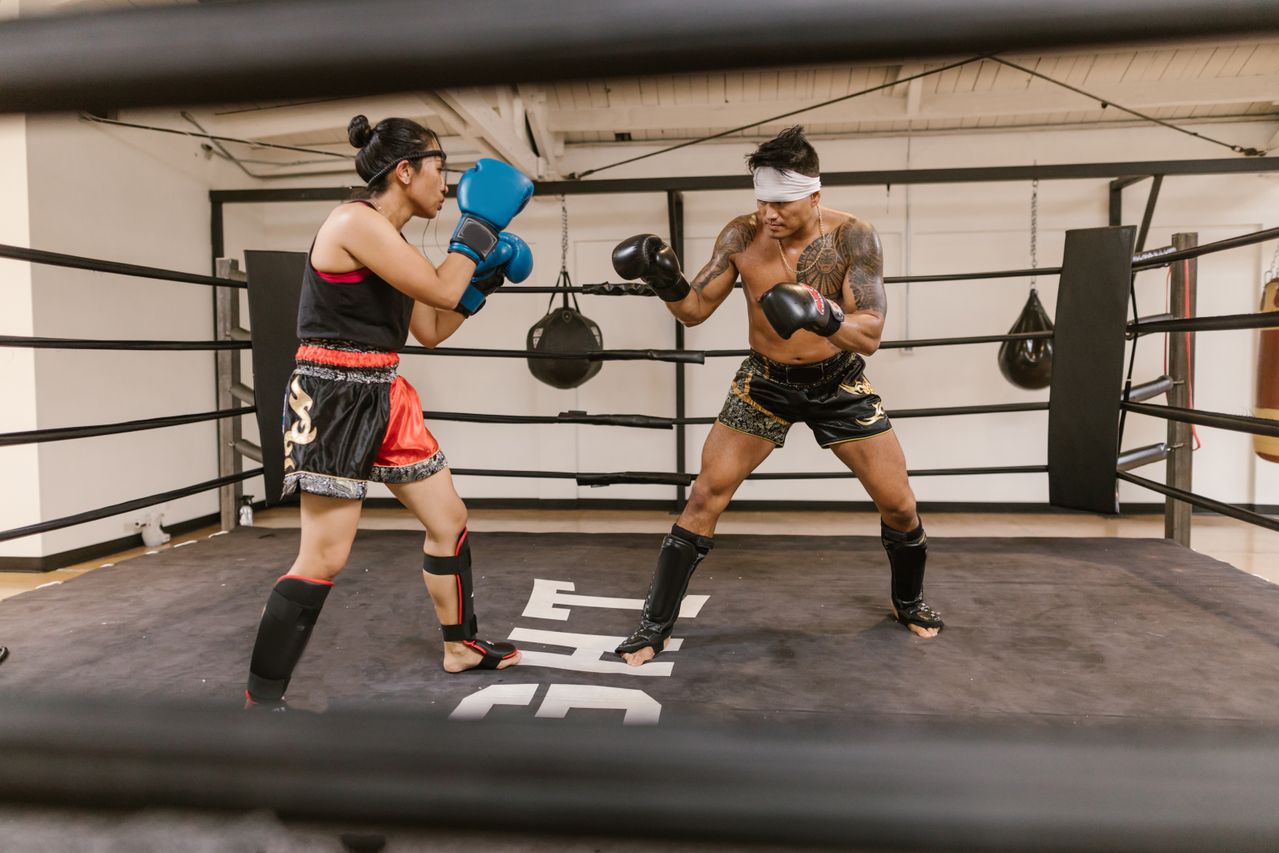
Virginia’s MMA scene is broader and more layered than it usually gets credit for. It is not defined by one city, one gym, or one discipline. Instead, Virginia MMA stretches across Northern Virginia, Richmond, Hampton Roads, Southwest Virginia, and the D.C. edge, with each area adding something different. The result is a state scene shaped by Brazilian jiu-jitsu, wrestling, military influence, striking gyms, regional promotions, and a steady record of fighters reaching the UFC and other major platforms.
Northern Virginia gives the state one of its most technical MMA identities. The area’s proximity to Washington, D.C. has helped create a dense martial arts market, with academies serving everyone from hobbyists to serious competitors. Ryan Hall is central to that identity. A high-level Brazilian jiu-jitsu specialist and UFC featherweight, Hall became known for an unusual grappling-heavy MMA style built around distance management, leg attacks, and patience rather than conventional brawling. His Fifty/50 Martial Arts Academy in Falls Church gives Virginia a nationally respected grappling and MMA reference point.
Richmond adds a different piece of the story. Amir Sadollah, raised in Richmond and associated with the city’s combat-sports scene, became one of Virginia’s most visible UFC names by winning The Ultimate Fighter 7. Sadollah’s rise was unusual because he entered the UFC spotlight with limited professional experience, relying on composure, conditioning, Muay Thai, and submission ability. His career showed that Virginia could produce fighters through less predictable pathways, not just through the standard wrestling-to-MMA route.
Hampton Roads and Virginia Beach have their own combat-sports character. The area has military presence, striking gyms, boxing history, and a steady supply of athletes accustomed to physical training. Brandon Vera, born in Norfolk, remains one of the biggest names connected to Virginia MMA. His career spanned the UFC and ONE Championship, and his success helped connect the state to both American and international MMA audiences. Fighters such as Mackens Semerzier and Antwain Britt also add to the Virginia Beach and Tidewater side of the state’s MMA map.
Virginia’s regional scene is important because it gives fighters places to actually compete. Promotions and event brands such as Cagezilla, Titans of the Cage, Showcase MMA, Stronghold Fights, and other regional cards have helped create opportunities for amateur and professional fighters across the state. These shows are the practical backbone of Virginia MMA. They are where wrestlers, jiu-jitsu players, kickboxers, and first-time fighters test whether gym skills can hold up under lights.
The state’s regulation and amateur structure also matter. Virginia has a formal combat-sports oversight system, and amateur MMA events must operate through approved sanctioning and registration processes. That gives the scene a more organized framework than unregulated local fight culture, even if it also creates administrative hurdles for promoters and athletes.
Virginia’s biggest advantage is geography. Fighters can develop inside the state while staying connected to Maryland, D.C., North Carolina, Pennsylvania, and the broader East Coast circuit. That gives Virginia more competitive range than a fully isolated state scene. A fighter from Richmond, Manassas, Virginia Beach, or Roanoke can build locally, then move into larger regional opportunities without immediately relocating across the country.
The future of MMA in Virginia looks stable rather than flashy. The state has enough gyms, enough events, enough combat-sports tradition, and enough proximity to larger markets to keep producing capable fighters. Its identity is not one single pipeline. Virginia MMA is a corridor scene: technical in Northern Virginia, gritty in Richmond, athletic around Hampton Roads, and connected regionally in every direction.