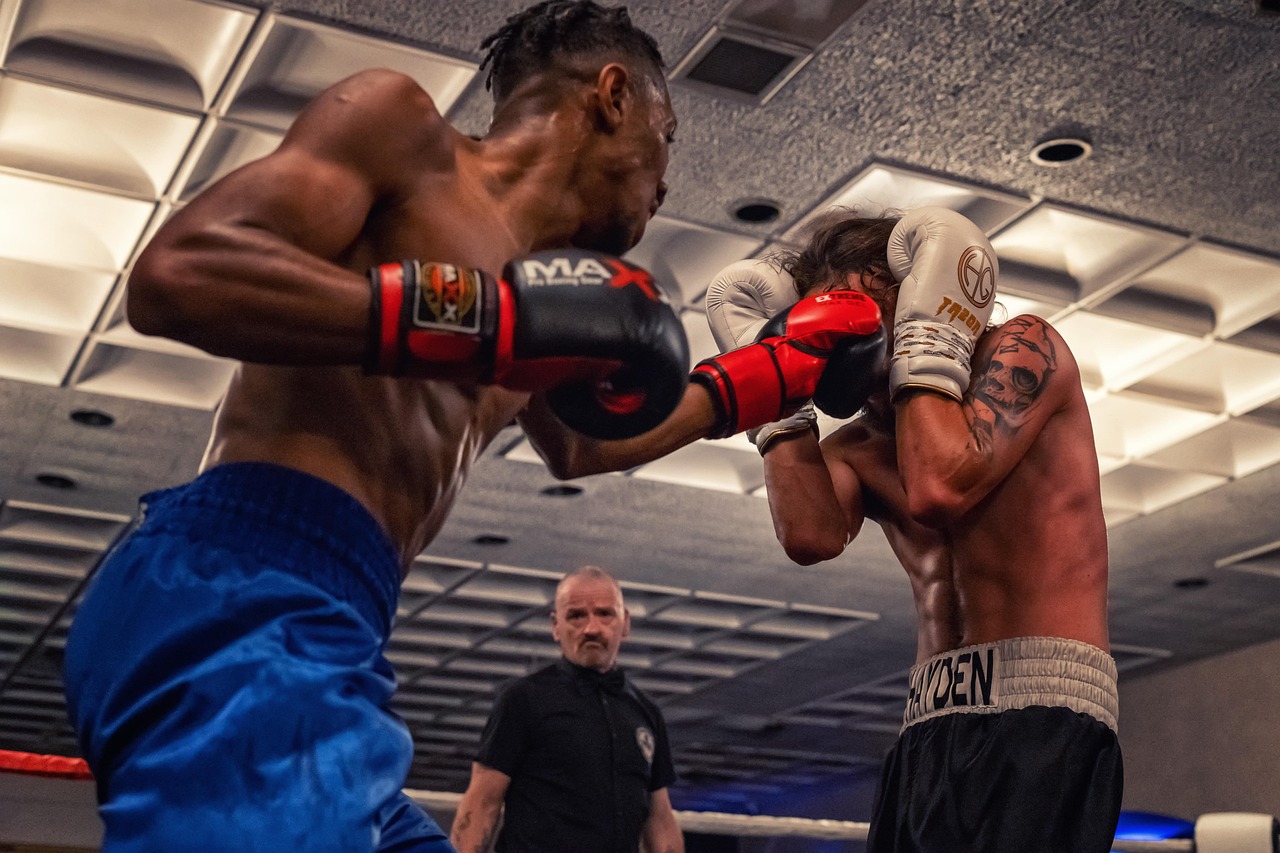
Latvia’s boxing identity changed because of Mairis Briedis. Before his rise, Latvian boxing had clubs, fighters, amateur participation, and regional activity, but it did not have a modern professional figure who forced the global boxing public to pay attention. Briedis did that. He turned Latvia from a country occasionally mentioned in European boxing circles into a place connected to cruiserweight world titles, major arena nights, and elite-level professional competition.
Briedis matters because he did not merely become a good Latvian boxer. He became one of the defining cruiserweights of his era. His world-title career gave Latvia its first widely recognized professional boxing superstar and proved that a fighter from a small Baltic country could operate at the highest level of a major professional division. The effect was larger than one career record. Briedis gave Latvian boxing a reference point, a national figure, and a reason for casual sports fans to see boxing as more than a niche discipline.
Latvia’s boxing scene is shaped by geography and history. It belongs partly to the Baltic sports world, partly to the broader European boxing circuit, and partly to the technical inheritance of post-Soviet amateur sport. That mix produces a boxing culture that values conditioning, structure, and technical schooling. Latvian boxers do not come from a huge domestic fight market, so the serious ones often have to think internationally. They need European tournaments, regional belts, cross-border promotions, and bouts against opponents from Poland, Germany, the United Kingdom, Scandinavia, and the wider post-Soviet boxing sphere.
Riga is the natural center of the country’s boxing visibility. It has the population base, the venues, and the sporting infrastructure to support larger fight nights. When elite boxing comes to Latvia, it tends to orbit the capital. Briedis helped show what that could look like when major cruiserweight fights brought international attention to Riga and created the kind of atmosphere usually associated with larger boxing markets. That matters for a small country because boxing is not only about producing fighters. It is also about proving that the country can host meaningful events.
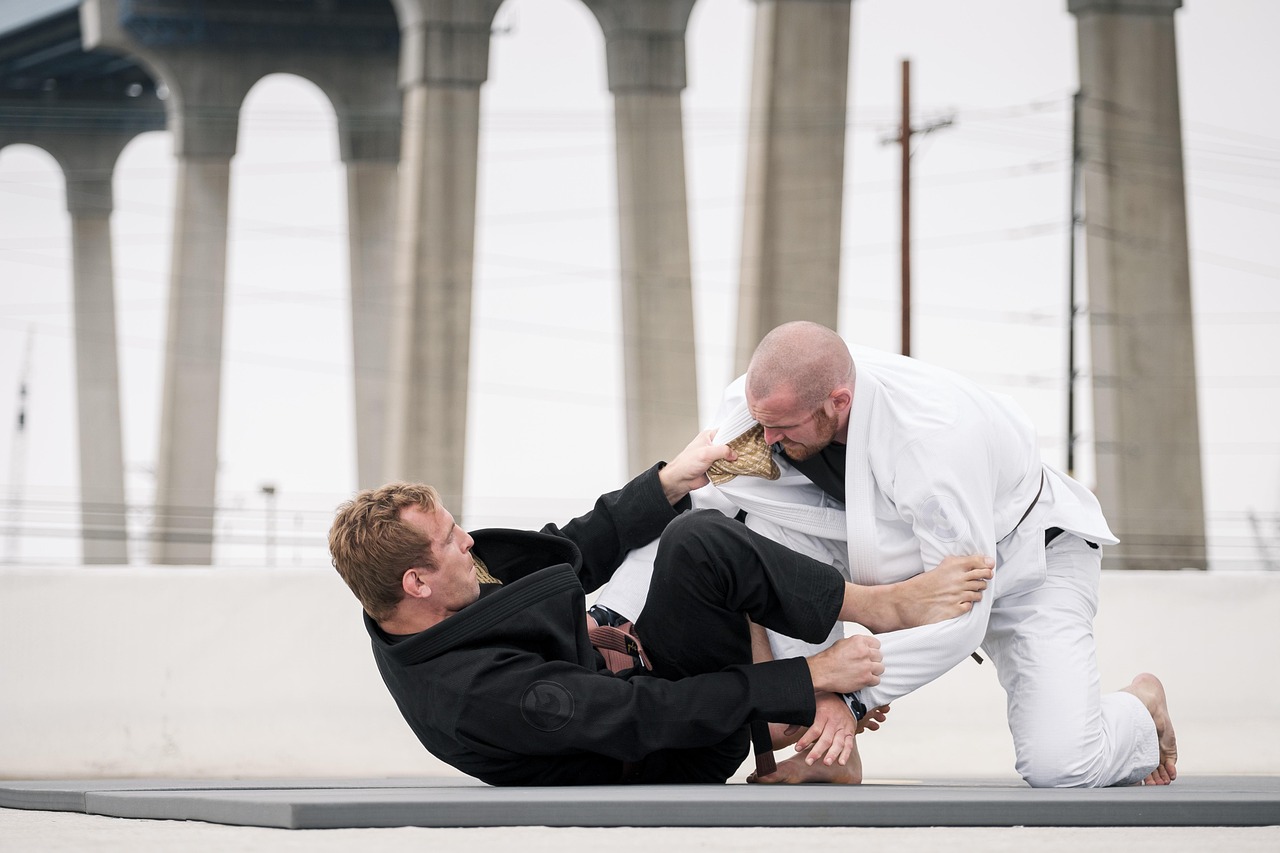
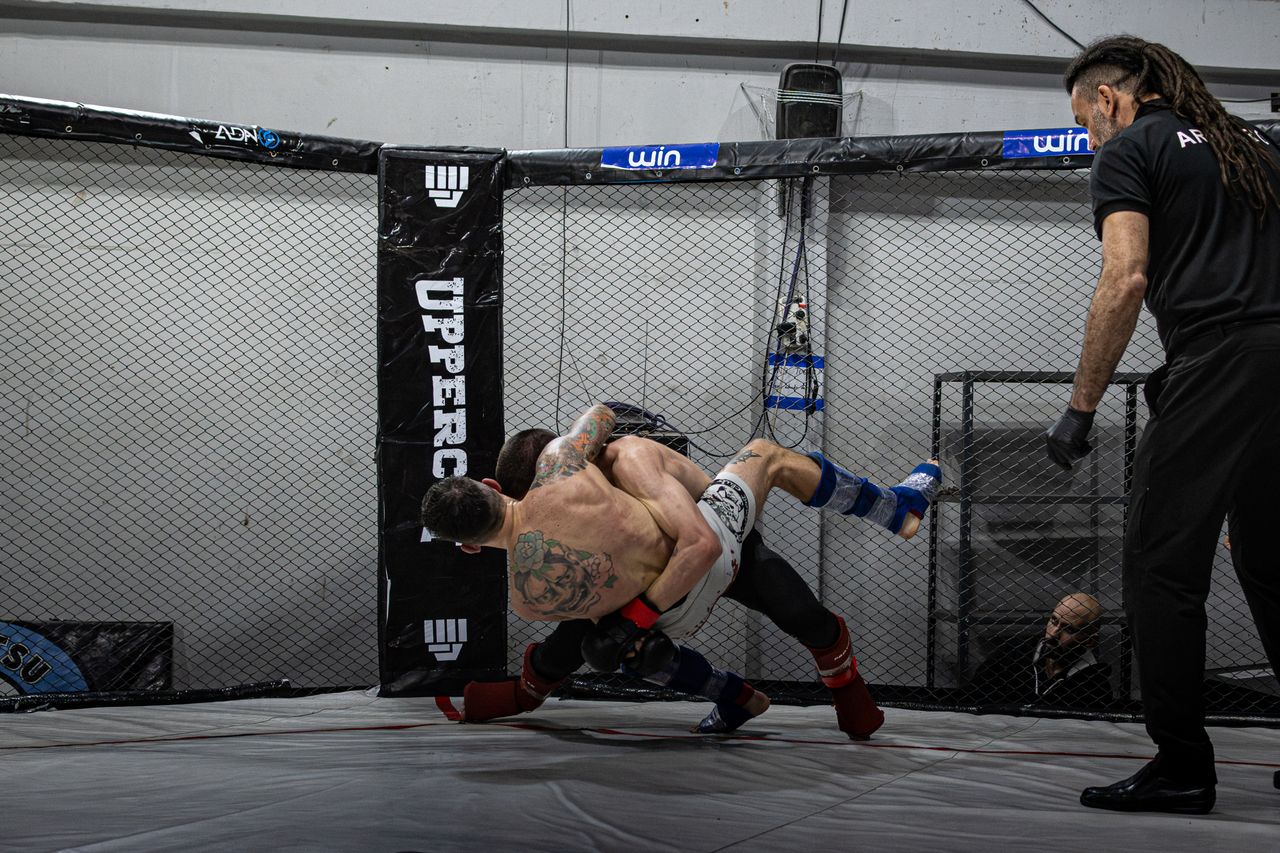
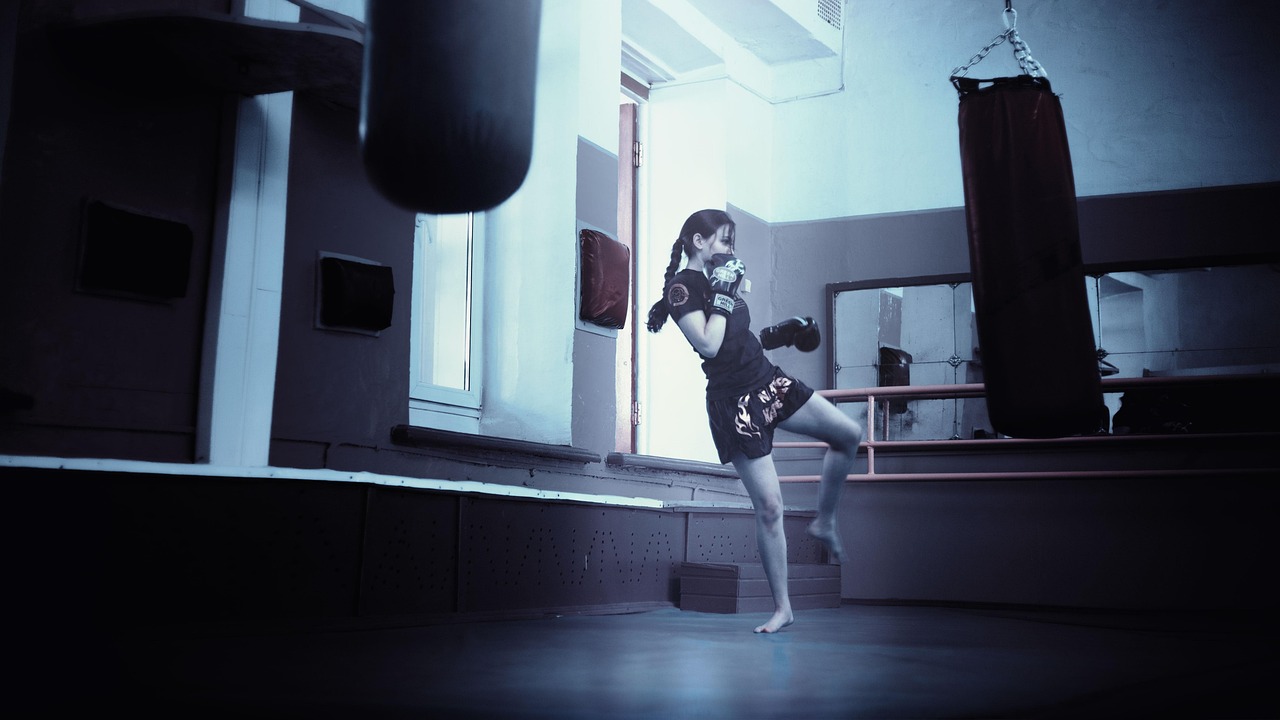
Latvia’s boxing gyms and clubs operate in a more practical environment than glamorous boxing capitals. The training culture is built around fundamentals: fitness, balance, distance, defensive responsibility, and hard sparring when appropriate. For young athletes, boxing can sit alongside wrestling, judo, kickboxing, and other combat sports. That crossover gives Latvian fighters access to a broader martial environment, but it also means boxing has to compete for attention with other disciplines.
Beyond Briedis, Latvia’s professional scene includes fighters such as Ricards Bolotniks, who has represented the country in the European light heavyweight picture and helped keep Latvian boxing visible beyond one name. Fighters like Bolotniks are important because they show whether a country has a scene or only a single exceptional athlete. Latvia is still not a deep professional boxing nation by global standards, but it has enough structure and ambition to send fighters into meaningful European competition.
The next stage for Latvian boxing is about succession. Briedis proved what was possible, but small boxing countries often face a difficult question after a breakthrough champion: can the system produce another wave, or does the sport fall back into the background? Latvia’s answer will depend on youth coaching, club stability, amateur competition, and the ability to move talented fighters into the right European professional opportunities.
Latvian boxing now has a higher ceiling than it once appeared to have. It is not a volume-based boxing nation like Mexico, the United States, or the United Kingdom. It is a compact European scene with one historic champion, a practical gym culture, and a realistic pathway for disciplined fighters who can succeed beyond the Baltic region.