Samoa’s MMA identity is complicated because the country’s strongest connection to the sport is not only domestic. It is cultural, diasporic, and athletic. The Samoan name carries major weight in combat sports, especially through fighters of Samoan heritage who developed in places such as New Zealand, Australia, Hawaii, and the mainland United States. That makes Samoa different from a country whose MMA reputation comes from a dense local gym scene. Samoa’s influence is carried by people, families, migration patterns, and a broader Polynesian combat-sports identity.
The most recognizable Samoan-linked MMA names are part of that wider diaspora story. Mark Hunt, Max Holloway, Tyson Pedro, Falaniko Vitale, Kendall Grove, Mighty Mo, and other fighters connected to Samoan or broader Polynesian identity helped give the culture a reputation for durability, power, and comfort in hard-contact sports. Not all of those athletes were born or trained in independent Samoa, so the distinction matters. Samoa’s MMA profile is not the same as saying Apia has produced a long domestic line of UFC athletes. The more accurate point is that Samoan identity has been highly visible in global MMA, even while the domestic scene remains smaller.
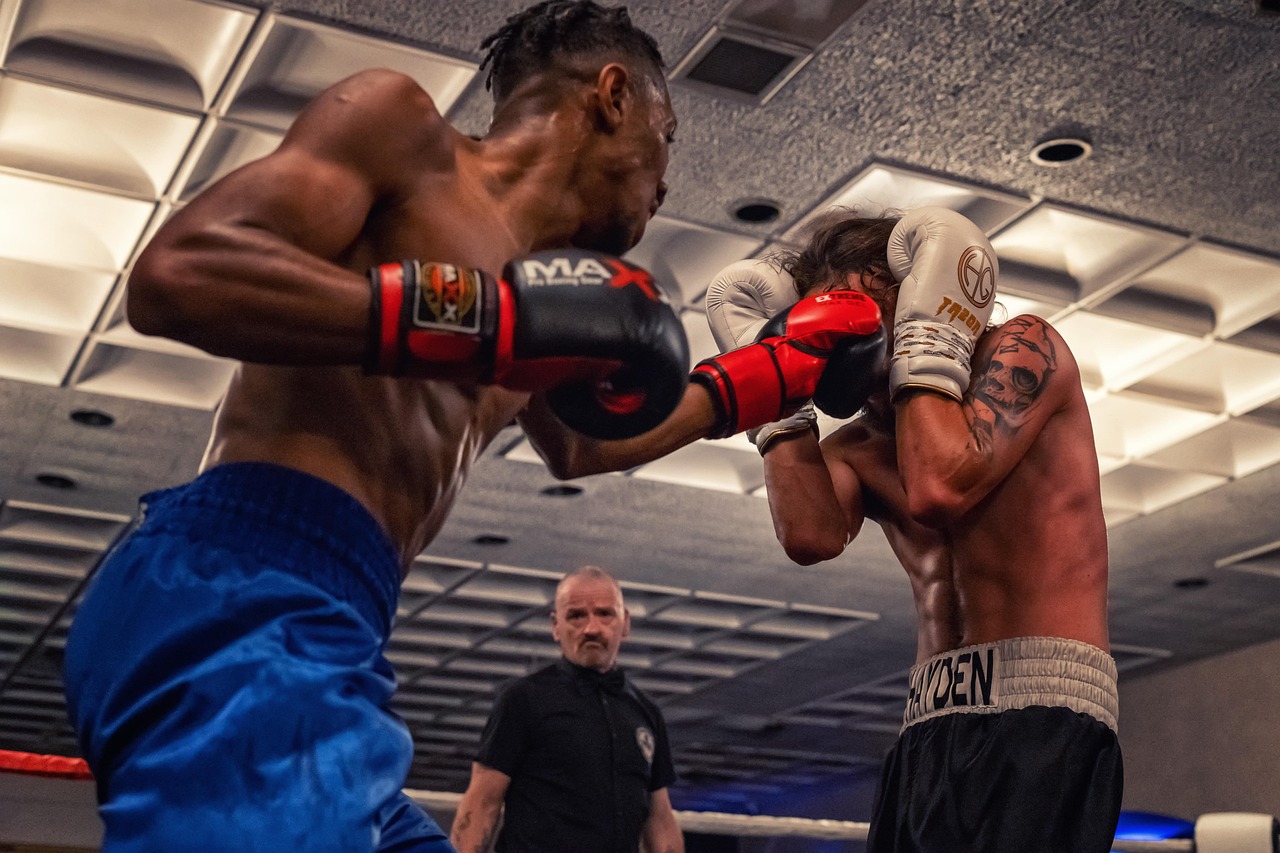
That visibility comes from a larger sporting culture. Rugby, boxing, kickboxing, and traditional strength-based athletic development have all shaped how Samoan and Samoan-descended athletes are perceived in fight sports. Heavy hands, physical strength, durability, and confidence under pressure are common themes in the way Samoan fighters are discussed. MMA, however, demands more than toughness. The athletes who succeed internationally are the ones who pair that physical base with wrestling, jiu-jitsu, defensive grappling, footwork, and professional fight-camp structure.
Inside Samoa itself, the sport is still developing. The country does not have the same concentration of high-level MMA teams that exists in Auckland, Sydney, Honolulu, Las Vegas, or California. That creates a familiar island-country challenge: promising athletes may begin locally, but they often need outside camps to reach a higher competitive level. The domestic scene can introduce the sport, build interest, and develop fundamentals, while the next stage may require travel or connections to Polynesian communities abroad.
This is where Samoa has a major advantage over many small countries. Its diaspora network is unusually strong. A Samoan fighter does not have to represent only a local gym in Samoa to carry Samoan identity. The athlete may be based in New Zealand, Australia, Hawaii, or the United States and still be understood by fans as part of the Samoan fight tradition. In MMA terms, that creates a wider talent map than the country’s population alone would suggest.
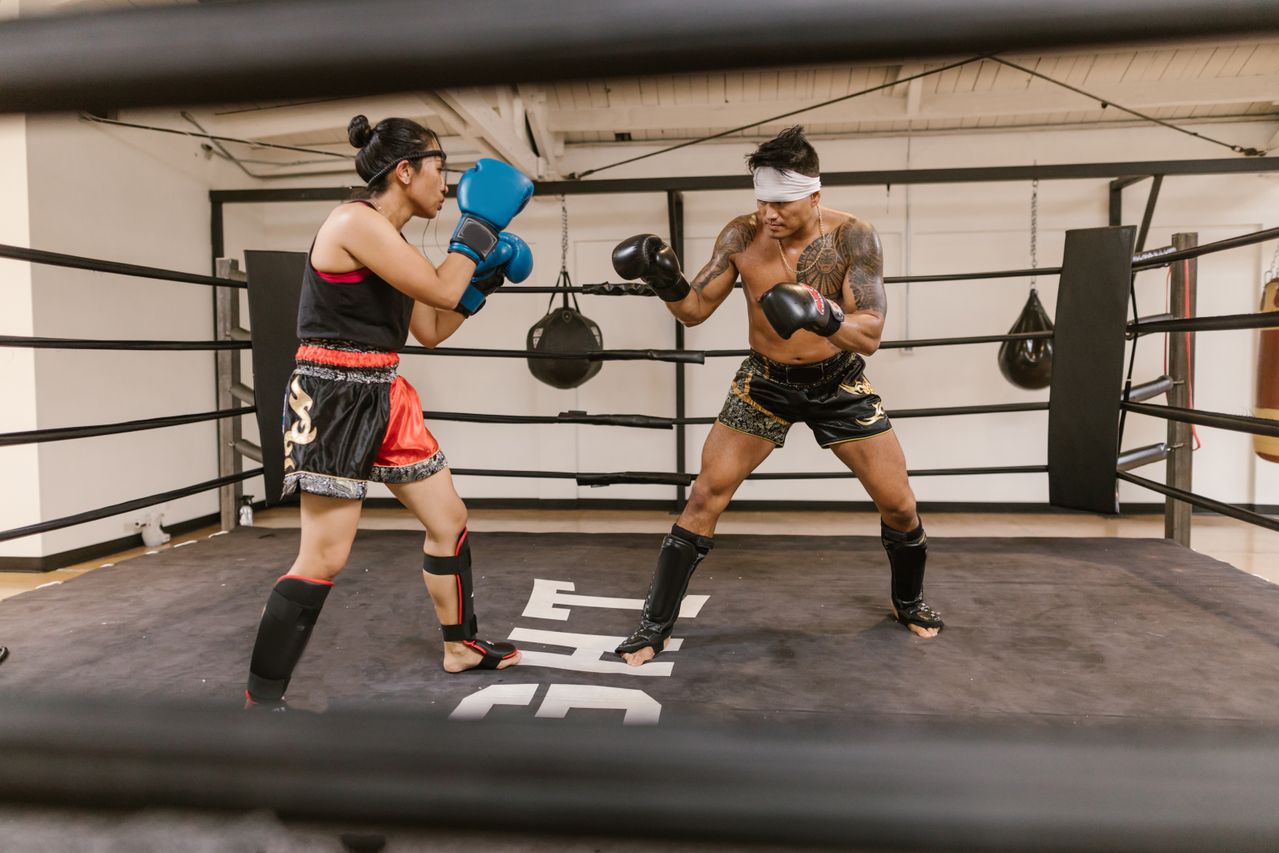
Training culture is likely to grow through hybrid development. Boxing and kickboxing can provide the first competitive base, while jiu-jitsu and wrestling need more deliberate investment. For Samoa to produce more fully developed MMA fighters from within the islands, grappling depth is the key. Striking confidence is useful, but MMA punishes fighters who cannot defend takedowns or escape bad positions. The next step is not simply more fighters. It is more rounded fighters.
Fan interest has a natural foundation because Samoan athletes have already mattered in global combat sports. When a fighter with Samoan heritage walks to the cage, the identity is immediately legible to fans across the Pacific. That gives Samoa a cultural head start. The question is whether domestic MMA infrastructure can catch up to the symbolic strength of the name.
Samoa’s MMA future should be viewed through two lenses. The first is the domestic scene, which is still relatively small and needs more coaching depth, events, and grappling development. The second is the global Samoan fight network, which is already significant. Together, they give Samoa a distinct MMA identity: not a large local industry, but a powerful combat-sports culture with international reach.