Boxing in Slovakia is not built around the same image that defines the world’s most famous fight countries. It is not Mexico’s championship machine, Cuba’s Olympic factory, Britain’s packed domestic circuit, or Las Vegas’s prizefight economy. Slovakia’s boxing identity is quieter and more regional, shaped by club gyms, amateur tournaments, Central European competition, and a professional scene that has produced respected figures without becoming a major global market.
That makes Slovak boxing easy to underestimate from the outside. The country does not flood the world rankings with contenders, and it does not host the kind of mega-events that turn cities into international boxing destinations. But boxing has a real place in Slovak sport. It sits inside a disciplined club culture where athletes often begin young, learn through repeated amateur competition, and test themselves against boxers from neighboring countries. Slovakia’s boxing story is less about mass visibility and more about persistence.
The country’s strongest boxing identity is as a developing European boxing scene with amateur roots and selective professional breakthroughs. It has enough history to matter, enough athletes to connect with the Olympic pathway, and enough gym infrastructure to keep the sport alive across generations. At its best, Slovak boxing produces technically capable fighters who have been hardened by a compact but demanding regional environment.
This is a country where the sport has to work for attention. Ice hockey, football, tennis, cycling, skiing, and other sports often command more public visibility. Boxing survives because of coaches, small clubs, family traditions, local tournaments, and the ambition of fighters who use the Slovak system as a starting point rather than a final destination.
The Czechoslovak Shadow and Slovakia’s Own Boxing Path
To understand boxing in Slovakia, it helps to recognize that much of the older boxing tradition was formed before modern Slovakia existed as an independent sporting nation. For decades, Slovak athletes competed within the broader Czechoslovak system. That gave boxing access to a deeper pool of clubs, state-supported sport structures, and regional competition, but it also means that some of the country’s older boxing history is shared with Czech boxing.
After Slovakia became independent in the early 1990s, its boxing scene had to define itself on a smaller national scale. That transition mattered. A separate country meant separate national championships, national teams, federation structures, Olympic representation, and a clearer Slovak boxing identity. It also meant less depth than the old combined Czechoslovak environment. Slovakia had to build its own continuity.
The result was a boxing culture that leaned heavily on clubs rather than celebrity. In many towns, boxing remained a gym sport before it was a spectator sport. Young athletes entered through local coaches, school-age competitions, youth tournaments, and regional boxing events. Fighters who showed promise moved into national championships and international amateur tournaments, often facing tough opposition from Central Europe and the wider European circuit.
This pattern created a practical kind of boxing identity. Slovak fighters have often needed to be adaptable. They do not come from a system with unlimited professional cards or constant domestic television exposure. They learn through travel, tournament experience, and the need to win attention outside their home market. In that sense, Slovak boxing has always had an outward-looking character. The country’s best fighters are rarely fighting only for local recognition. They are trying to use Slovakia as a base for European and international opportunity.
Clubs, Coaches, and the Places Where Slovak Fighters Are Made
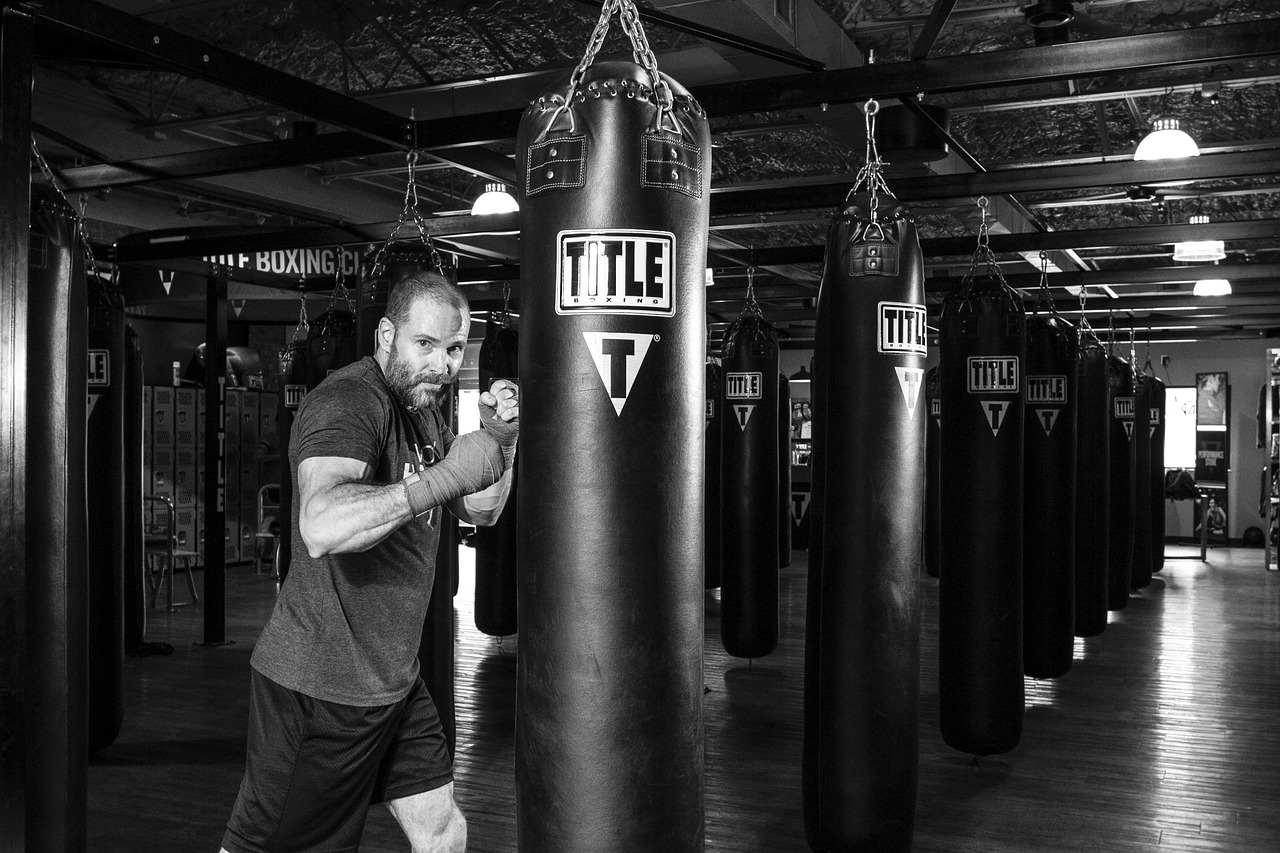
The gym is the center of Slovak boxing. Because the country does not have a large commercial boxing economy, clubs carry much of the sport’s real weight. They teach fundamentals, introduce athletes to sparring, organize participation in amateur events, and create the first bridge between recreational interest and competitive boxing.
Bratislava naturally plays an important role because it is the capital, the country’s largest city, and a hub for national sport. But Slovak boxing is not only a Bratislava story. Towns and smaller cities have often produced meaningful boxing activity. Galanta, in particular, has become an important name in Slovak boxing because of Tomi “Kid” Kovács and the boxing culture connected to his academy and club work. That matters because smaller boxing nations often depend on a few strong local centers to keep the sport visible.
Slovak boxing gyms tend to operate with a classic European club logic. They are not just fitness studios. Many serve as competitive development spaces where young boxers learn stance, footwork, defense, controlled aggression, conditioning, and ring discipline. Some athletes will stay in boxing for fitness and self-confidence. Others will enter the amateur system. A smaller number will pursue national-level competition, international tournaments, or the professional ranks.
The training culture also reflects Slovakia’s geography. Slovak fighters are close to Czechia, Hungary, Austria, Poland, and Ukraine. That regional proximity matters. It creates opportunities for tournaments, sparring, cross-border events, and exposure to different boxing styles. Slovak boxers do not have to look far to find higher-volume boxing cultures, and that can sharpen the country’s own fighters when they are matched well.
The challenge is scale. In major boxing nations, a talented young fighter might have dozens of domestic rivals at the same level. In Slovakia, the path can be thinner. A strong prospect may need international competition early to keep improving. That makes coaching and matchmaking especially important. A promising Slovak boxer has to be protected enough to develop but tested enough to avoid stagnation.
Tomi Kid Kovács and the Professional Standard
No discussion of Slovak boxing can avoid Tomi “Kid” Kovács. Born in Galanta, Kovács became one of the most recognizable modern figures in Slovak boxing, both as a professional fighter and later as a builder of the sport. His career represents the kind of route available to a Slovak boxer who outgrows the domestic level and needs to make a name across Europe.
Kovács was a light heavyweight who built a strong professional record and became known internationally, especially when he challenged Beibut Shumenov for the WBA light heavyweight title in 2013. That bout placed a Slovak boxer on a significant world-title stage, even if Slovakia itself was not a major professional boxing market. For a country with a modest boxing profile, that kind of opportunity carries symbolic importance. It proves that the route from a Slovak club environment to international professional boxing is difficult, but not imaginary.
Kovács’s importance is not only about his record. His post-fighting role may be just as significant for Slovak boxing. Fighters from smaller boxing nations often become especially valuable when they return knowledge to the domestic system. A boxer who has seen European professional boxing, international camps, title-level preparation, and the business side of the sport can influence younger athletes in ways that go beyond technique.
That is why Kovács matters as a reference point. He gives Slovak boxing a recognizable professional figure, but he also represents continuity. In a large boxing country, one former contender can disappear into a crowded landscape. In Slovakia, a fighter of that profile can become a central figure in how the sport is taught, promoted, and understood.
The Kovács story also connects generations. His father, Pavol Kovács, was part of the earlier Czechoslovak boxing tradition, and the family connection gives Slovak boxing one of the things every fight culture needs: lineage. Boxing is not only passed through federations and tournaments. It is passed through fathers, coaches, gyms, and local reputations. The Kovács name has become part of that inheritance.
Slovakia’s Olympic and Amateur Boxing Pathway
Slovakia’s highest-level international boxing visibility has often come through amateur and Olympic boxing. The Olympic route is important for smaller countries because it offers a clearer pathway to global recognition than the professional market. A boxer does not need a major domestic promoter or a national pay-per-view audience to reach the Olympic stage. They need federation support, tournament results, qualification success, and the ability to win against international opposition.
Slovakia has had a limited but meaningful Olympic boxing presence as an independent country. The country sent boxers to the 1996 Atlanta Olympics, including Peter Baláž and Gabriel Križan. In later years, Andrej Csemez brought Slovakia back into Olympic boxing visibility at Tokyo 2020, while Jessica Triebeľová represented a major step for Slovak women’s boxing at Paris 2024.
Csemez is especially important because he reflects the modern Slovak amateur pathway. A middleweight from the Galanta boxing environment, he developed into one of Slovakia’s strongest international amateur boxers. His results included a bronze medal at the 2019 European Games, and he reached the Olympic tournament in Tokyo. For a country of Slovakia’s boxing size, that kind of international achievement is not routine. It shows that the club system can still produce athletes capable of competing beyond the domestic circuit.
Jessica Triebeľová’s rise adds another layer. Women’s boxing has changed the global sport dramatically since its Olympic inclusion, and Slovakia’s participation in that movement is important. Triebeľová’s route from youth success to the Paris Olympics gave Slovak boxing a visible female standard. Her presence matters not only because she competed internationally, but because she helps expand what boxing can look like inside Slovakia. For young girls entering boxing gyms, that representation can be as important as any medal count.
The amateur pathway remains Slovakia’s most realistic route to consistent international relevance. Professional boxing depends heavily on market access, television, promoters, and matchmaking. Amateur boxing depends more directly on coaching, discipline, tournament performance, and federation organization. For Slovakia, the amateur system is where the country can keep producing boxers who may not become global stars but can still compete respectably in Europe and occasionally break through to the Olympic level.
Famous Slovak Boxers and What They Represent
Slovakia does not have a long list of globally famous professional champions, but its notable boxers represent different parts of the country’s boxing identity.
Tomi “Kid” Kovács represents the professional breakthrough figure. He showed that a Slovak boxer could move from domestic and regional boxing into international title conversations. His career gave Slovak boxing a name that could be recognized outside the country, and his later gym and development work helped keep him relevant after his competitive career.
Andrej Csemez represents the modern amateur international. He is tied to European tournament boxing, Olympic qualification, and the Galanta gym environment that has become one of the country’s most important boxing centers. His career shows the importance of local coaching combined with international exposure.
Jessica Triebeľová represents the growth of women’s boxing in Slovakia. Her Olympic participation and European-level success make her one of the most important figures for the next stage of the sport. In a smaller boxing country, the first visible women’s boxing figures can have an outsized impact because they change the recruiting picture for the entire sport.
Peter Baláž and Gabriel Križan represent the early independent Olympic period. Their appearances in 1996 helped establish Slovakia’s separate Olympic boxing identity after independence. Even when a country does not medal, simply entering the Olympic boxing field matters because it places that country inside the sport’s global structure.
There are also fighters and coaches whose importance is more local than international. That is common in smaller boxing nations. The people who keep the sport alive may not always be known beyond the national scene, but they often have a direct effect on dozens or hundreds of athletes. Slovak boxing relies on those figures: club coaches, amateur organizers, former fighters, local promoters, and family boxing names that keep the gym doors open.
Professional Boxing in Slovakia Is Selective, Not Saturated
Professional boxing in Slovakia exists, but it is not a large domestic industry. That distinction matters. In some countries, the professional scene includes regular televised cards, national title fights, local rivalries, mid-level contenders, and a full ladder from debutants to champions. Slovakia’s professional boxing environment is thinner. Fighters with serious ambition often need opportunities abroad or must work within Central European promotions and cross-border matchmaking.
That does not make the professional scene irrelevant. It makes it selective. A Slovak boxer who turns professional has to think carefully about management, opponents, travel, weight class, and exposure. A local unbeaten record may create attention, but the real tests often come against foreign opponents or on cards outside Slovakia. This makes the professional pathway more complex than simply building a hometown following.
Slovakia’s location can be an advantage here. Central Europe provides access to boxing markets in Czechia, Hungary, Austria, Germany, and Poland. A Slovak fighter can move through that regional ecosystem if managed properly. The difficulty is that those same markets are competitive. German-speaking boxing, Czech boxing, Polish boxing, and Hungarian boxing all have their own histories and infrastructures. Slovak fighters entering that space have to prove they belong.
Domestic events still matter because they create visibility for the sport at home. Local professional shows can inspire amateur fighters, give gyms a reason to rally, and introduce casual fans to the Slovak boxing scene. They also provide a platform for fighters who may not become world-level contenders but can still build meaningful careers.
The long-term challenge is building consistency. One successful fighter can raise attention for a few years, but a healthier professional scene needs recurring events, credible matchmaking, active gyms, and enough public interest to sustain promotions. Slovakia has pieces of that structure, but it remains a developing market rather than a fully mature one.
Women’s Boxing Gives Slovakia a New Growth Lane
Women’s boxing is one of the most important opportunities for Slovakia’s boxing future. Because the women’s side of the sport is younger globally, smaller countries have a better chance to close the gap if they invest early and develop athletes properly. Slovakia does not need to match the depth of the largest men’s boxing nations to become relevant in selected women’s weight classes. It needs strong recruitment, good coaching, tournament experience, and visible role models.
Jessica Triebeľová’s rise is central to this. Her Olympic participation gave Slovak women’s boxing a clear reference point. That can influence how gyms recruit, how parents view the sport, and how young athletes imagine their own ceiling. In smaller boxing scenes, visibility often precedes depth. Once one athlete proves that the pathway exists, others can follow it more easily.
Women’s boxing also fits the club-based structure of Slovak sport. A dedicated athlete can begin in a local gym, develop through national competition, enter European tournaments, and move toward Olympic qualification. The path is demanding, but it is understandable. The key issue is volume. Slovakia needs enough women and girls boxing competitively to create real domestic standards. Without depth, elite prospects have to seek difficult competition abroad early.
The growth of women’s boxing also broadens the public image of the sport. Boxing is no longer only a male working-class tradition or a professional prizefighting pursuit. It is also an Olympic discipline, a fitness route, a youth-development sport, and a competitive opportunity for female athletes. For Slovakia, that wider image can help boxing compete for attention in a crowded sports landscape.
Slovakia’s Place in Central European Boxing
Slovakia’s boxing identity is best understood regionally. The country is part of a Central European boxing environment where Czech, Hungarian, Polish, Austrian, German, Ukrainian, and Balkan influences all matter. Slovak fighters do not develop in isolation. They are shaped by the availability of regional tournaments, nearby sparring, and cross-border opportunities.
This regional position gives Slovakia both advantages and pressures. The advantage is access. Slovak boxers can travel relatively easily to face different styles and stronger pools of opponents. They can compete in events that expose them to broader European standards. Coaches can measure their fighters against nearby countries without needing to send them across the world.
The pressure is that Slovakia must compete for relevance in a crowded neighborhood. Poland has a larger population and a stronger professional boxing tradition. Hungary has deep amateur boxing history. Czech boxing shares historical roots with Slovakia and has its own club structure. Ukraine has become one of Europe’s most important boxing nations in both amateur and professional contexts. Against that backdrop, Slovakia has to be strategic.
The country’s most realistic role is not to become the dominant Central European boxing power. It is to become a credible contributor: a place that produces selected high-level amateurs, occasional professional contenders, strong youth prospects, and clubs that can hold their own in regional competition. That is a more accurate and more sustainable identity.
Slovakia can also benefit from its multilingual and multicultural sporting environment. Athletes from Hungarian-speaking communities, border regions, and mixed cultural backgrounds have all been part of the country’s boxing story. In a sport where travel and regional networks matter, those connections can be useful.
The Future of Boxing in Slovakia
The future of boxing in Slovakia will depend less on one superstar and more on whether the sport can keep strengthening its base. The country needs active clubs, qualified coaches, youth participation, women’s development, credible national championships, and regular exposure to international competition. Those are not glamorous ingredients, but they are what smaller boxing nations need most.
A world champion would change the public conversation overnight, but Slovak boxing cannot build its entire future around waiting for one. The more realistic goal is to create enough structure that when a special athlete appears, the system is ready. That means good coaching at the beginning, enough domestic competition to build confidence, and enough international matchmaking to reveal whether a prospect is truly elite.
The amateur system remains essential. Olympic boxing gives Slovakia a stage that does not require a massive professional industry. If the country can continue producing fighters capable of reaching European tournaments, World Championships, and Olympic qualification events, it will keep its place in the international boxing conversation.
Professional boxing can grow around that foundation, but it will likely remain regional unless more promoters, sponsors, broadcasters, and venues commit to regular events. That growth does not need to imitate larger markets. Slovakia can build a professional identity around disciplined matchmaking, Central European rivalries, and fighters who come from authentic club backgrounds.
Women’s boxing may be the area with the clearest upside. With the right development, Slovakia can produce more athletes who see Olympic boxing as a serious path. Triebeľová’s example gives the country a starting point, but the next step is turning individual success into broader participation.
Ultimately, boxing in Slovakia is a sport of persistence. It does not dominate the national sports conversation, but it has survived through clubs, families, coaches, and athletes willing to take difficult roads. Its identity is modest but real: a Central European boxing scene with amateur discipline, selective professional ambition, and enough tradition to keep producing fighters who believe Slovakia belongs in the ring.