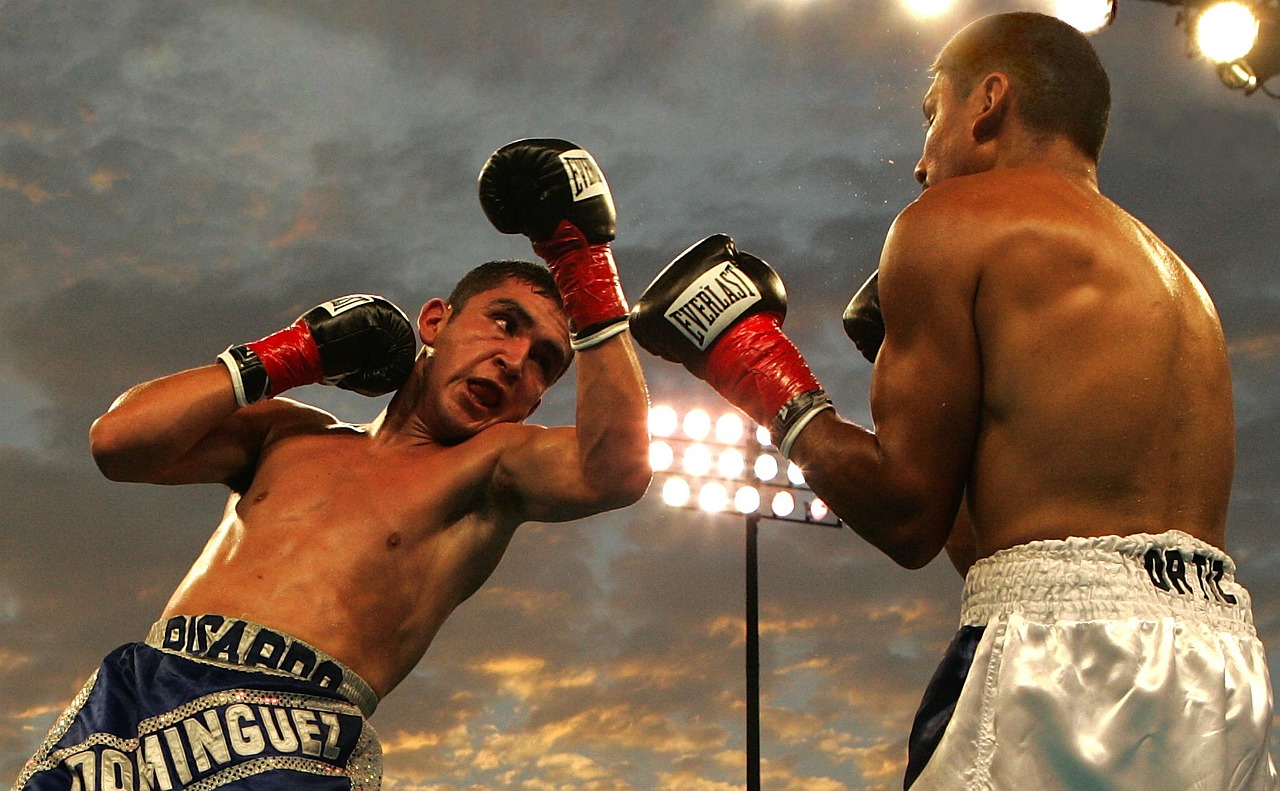
Boxing in Kazakhstan is not a side note in the country’s sporting culture. It is one of Kazakhstan’s clearest international calling cards, a discipline where the country has repeatedly turned technical schooling, physical discipline, and national investment into medals, champions, and global recognition.
Kazakhstan’s boxing identity begins in the amateur ring. The country is best understood as an Olympic and international tournament power first, with professional success growing out of that foundation. This is not a boxing culture built only around prizefighting spectacle or a few famous names. It is a system. Fighters are developed through clubs, regional programs, national competition, international tournaments, and a boxing style that prizes balance, timing, footwork, and command of distance.
That does not mean Kazakhstan lacks professional star power. Gennadiy Golovkin became one of the defining middleweights of his generation, carrying Kazakh boxing into major arenas, American television, pay-per-view cards, and global pound-for-pound debate. Janibek Alimkhanuly extended the country’s middleweight presence into the next era. Beibut Shumenov, Daniyar Yeleussinov, Kanat Islam, Batyrzhan Jukembayev, Zhankosh Turarov, and others have shown that Kazakhstan’s amateur system can feed the professional ranks.
But the deeper story is not simply that Kazakhstan has produced good fighters. It is that Kazakhstan has produced a recognizable boxing school. The country’s best boxers often share a polished amateur base: upright posture, clean punching mechanics, educated lead hands, quick repositioning, and a comfort with tactical boxing over long tournaments. Kazakhstan is a boxing nation because its fighters can be built, tested, refined, and sent into the world with a style that travels.
From Soviet Foundations to a Kazakh Boxing School
Modern boxing in Kazakhstan was shaped heavily by the Soviet sporting system. During the Soviet period, boxing was organized through clubs, regional teams, state-supported training structures, and a strong emphasis on amateur competition. The sport rewarded discipline, repetition, technical instruction, and national tournament performance. Kazakhstan inherited that structure and adapted it after independence.
This matters because Kazakhstan did not have to invent its boxing culture from nothing. It already had coaches, gyms, athletes, and a competitive tradition connected to Soviet and Central Asian sport. What changed after independence was ownership. Kazakh boxers were no longer simply part of a broader Soviet or post-Soviet pool. They represented Kazakhstan directly, and their international results became part of the country’s young national identity.
The first Kazakhstan boxing championships were held in Almaty in 1946, and the national boxing federation structure developed during the Soviet era. After independence, Kazakhstan joined the international boxing system as its own national program. That transition gave the country a platform to turn inherited boxing knowledge into a distinct national reputation.
Kazakhstan’s rise was also helped by geography and competitive environment. The country sits between several major boxing cultures. Russia, Uzbekistan, China, Kyrgyzstan, and other regional neighbors all contribute to a demanding Central Asian and Eurasian fight landscape. A Kazakh boxer who succeeds regionally has usually been tested by strong amateur opponents long before reaching the Olympics or world championships.
That regional pressure sharpened Kazakhstan’s style. The best Kazakh boxers tend to be composed rather than frantic. They are often comfortable boxing at mid-range, changing rhythm, scoring cleanly, and controlling the ring without wasting motion. The style is not identical from fighter to fighter, but the national reputation is clear: Kazakhstan produces boxers who look prepared.
The Olympic Standard That Defines Kazakhstan
Kazakhstan’s boxing reputation became especially strong through the Olympic Games. Since independence, boxing has been one of the country’s most reliable medal sports. In international terms, Kazakhstan is not merely a participant. It is a country opponents expect to see deep in tournament brackets.
The welterweight division became one of the clearest symbols of Kazakhstan’s Olympic strength. Bakhtiyar Artayev won gold at Athens 2004, Bakhyt Sarsekbayev won gold at Beijing 2008, Serik Sapiyev won gold at London 2012, and Daniyar Yeleussinov won gold at Rio 2016. Four straight Olympic gold medals in the same broad weight tradition gave Kazakhstan a rare and powerful identity: the country was not just producing isolated champions, it was dominating a high-skill Olympic lane across multiple generations.
That welterweight success says a lot about Kazakh boxing. Welterweight and nearby divisions require a complete fighter. The boxer must have speed, strength, stamina, defensive discipline, and tactical flexibility. Kazakhstan’s repeated success there reflected more than physical talent. It showed that the country could develop boxers who understood tournament boxing at the highest level.
Bakhtiyar Artayev’s gold in 2004 helped announce Kazakhstan as a major independent force in Olympic boxing. Sapiyev’s 2012 gold reinforced the country’s technical reputation, and Yeleussinov’s 2016 title continued the line into a newer generation. These fighters were not carbon copies, but they carried the same national message: Kazakhstan could prepare boxers for the most unforgiving amateur stages in the sport.
The Olympic tradition also created expectations inside Kazakhstan. Young fighters could look at the national team and see a pathway. Coaches could point to Olympic champions as proof that the system worked. Fans could understand boxing as a sport where Kazakhstan did not need to hope for occasional success. It could reasonably expect to compete with the best countries in the world.
Gennadiy Golovkin and the Global Face of Kazakh Boxing
No boxer has done more to introduce Kazakhstan to mainstream professional boxing audiences than Gennadiy Golovkin. Golovkin’s importance goes beyond his record, titles, knockouts, and middleweight reign. He gave Kazakh boxing an international face.
Golovkin came from the same serious amateur tradition that shaped so much of Kazakhstan’s boxing identity. He won Olympic silver in 2004 and had the technical foundation of a high-level tournament boxer. As a professional, however, he became known for something more severe: pressure, balance, punch placement, durability, and a frightening ability to cut off the ring without appearing rushed.
His style was easy to misunderstand. Golovkin was not simply a puncher. His power mattered, but his best work came from geometry. He stepped with opponents, closed exits, kept his feet under him, and forced exchanges on his terms. He could jab with authority, break opponents down to the body, and turn defensive movement into a trap. That combination made him a rare bridge between amateur craft and professional violence.
For Kazakhstan, Golovkin’s rise was transformative. He fought in major American venues, became a global television attraction, and turned the Kazakh flag into a familiar sight in elite professional boxing. Fans who had never followed Olympic boxing learned about Kazakhstan through “GGG.” His fights with Canelo Alvarez placed him at the center of one of boxing’s most important modern rivalries.
Golovkin also changed the way Kazakh professionals were perceived. Before him, Kazakhstan was respected by amateur boxing observers. After him, professional promoters, networks, and fans looked more closely at Kazakh fighters as potential world-level talents. He did not create the system, but he became the system’s most famous export.
His later move into boxing administration and governance also fits the broader Kazakh boxing story. Golovkin represents the full arc: amateur standout, Olympic medalist, professional world champion, national sporting icon, and international boxing figure. For a country whose boxing identity is rooted in structure and legitimacy, that progression carries symbolic weight.
The Fighters Who Extended Kazakhstan’s Reputation
Kazakhstan’s boxing depth is not limited to Golovkin and the Olympic gold medalists. The country has produced a wide range of fighters who have carried its reputation across weight classes and circuits.
Beibut Shumenov became a world champion at light heavyweight and later competed successfully at cruiserweight. His career showed that Kazakh fighters could succeed outside the middleweight and welterweight lanes most associated with the country. Shumenov brought size, ambition, and professional adaptability to Kazakhstan’s boxing image.
Janibek Alimkhanuly has been one of the most important Kazakh professionals after Golovkin. Like Golovkin, he came from a strong amateur background and moved into the professional middleweight division with high expectations. His style is different from Golovkin’s, but the connection is obvious: southpaw skill, balance, ring intelligence, and a confidence built from years of elite amateur experience.
Daniyar Yeleussinov carried Olympic prestige into the professional ranks after winning gold in Rio. His amateur achievements made him one of Kazakhstan’s most decorated modern fighters, and his move into the pros reflected a common challenge for Kazakh boxers: translating tournament brilliance into the slower, more commercially driven world of professional boxing.
Kanat Islam, Batyrzhan Jukembayev, Zhankosh Turarov, Sultan Zaurbek, Ali Akhmedov, Meiirim Nursultanov, and others have helped widen the professional picture. Some have fought internationally, some have built followings through regional and promotional circuits, and some have represented the depth of Kazakhstan’s exportable boxing talent.
The names matter, but the pattern matters more. Kazakhstan produces fighters with enough amateur seasoning to be taken seriously early. A Kazakh prospect is often not treated as a blank slate. He is assumed to have rounds, schooling, and international experience behind him. That reputation is one of the country’s greatest boxing assets.
Where Fighters Are Made in Kazakhstan
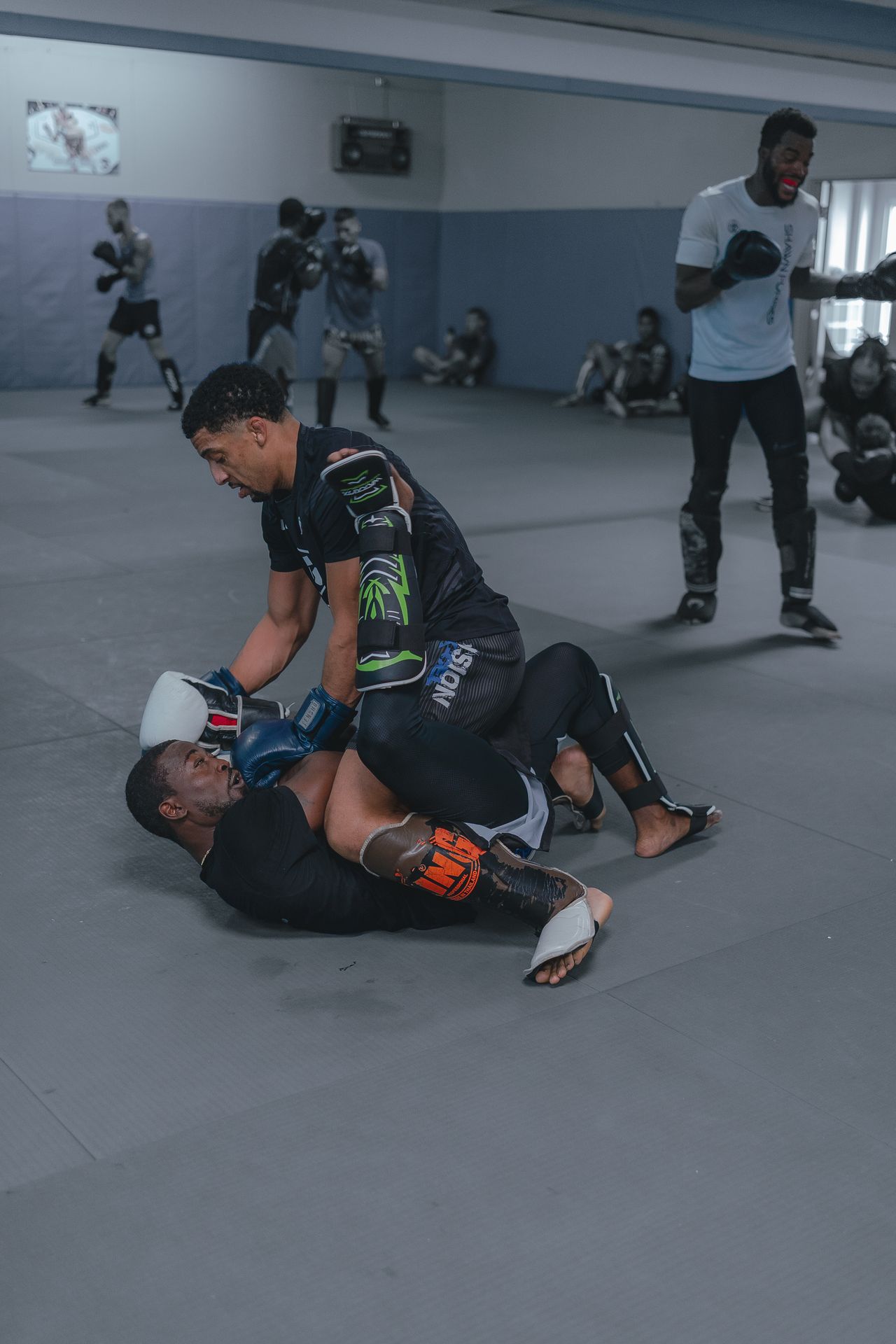
Kazakhstan’s boxing gyms and clubs are not best understood as fitness spaces first. The country’s serious boxing culture is built around development. Fighters are identified, trained, tested in local and national competition, and moved toward larger opportunities if they show the right mix of skill, discipline, and durability.
Almaty and Astana are central to the country’s boxing infrastructure, but Kazakhstan’s boxing identity is not limited to its largest cities. Karaganda, Shymkent, Taraz, Aktobe, Pavlodar, and other regions have all contributed to the broader sporting culture. In a country as large as Kazakhstan, regional development matters. Talent can come from mining cities, industrial centers, provincial clubs, and urban gyms.
The training culture places heavy emphasis on fundamentals. Young boxers learn stance, guard, balance, straight punching, controlled movement, and defensive responsibility. Because the amateur pathway is so important, fighters must learn to score, manage rounds, and handle different styles in tournament settings. A boxer who cannot adjust quickly will struggle in the national and international environment.
Coaching is central to this identity. Kazakhstan’s best boxing coaches are not merely cornermen. They are technical builders. They prepare fighters for styles from across Asia, Europe, and the wider world. That means developing athletes who can box against pressure fighters, movers, southpaws, taller opponents, and physically stronger opponents. Tournament boxing demands adaptability, and Kazakh coaching reflects that.
Boxing also has a social role. For many young athletes, the gym offers discipline, competition, travel, and national opportunity. The sport can provide a path from local training halls to international representation. That pathway gives boxing a seriousness that casual observers may miss. In Kazakhstan, boxing is not just an activity. For talented fighters, it can become a profession, an education, and a national assignment.
Professional Boxing and the Kazakh Export Model
The professional boxing scene in Kazakhstan has grown, but the country’s pro identity still differs from traditional prizefight markets such as the United States, Mexico, the United Kingdom, or Japan. Kazakhstan produces high-level fighters, but many of its most prominent professionals have needed international platforms to build their careers.
That export model is common for countries with strong amateur systems but smaller domestic professional markets. Fighters may develop at home, earn reputations through amateur success, and then sign with promoters who can place them in the United States, Europe, the United Kingdom, or other major boxing markets. The talent is Kazakh, but the business often becomes international.
Golovkin is the clearest example. His professional career required a global stage. His rise depended on fighting abroad, building television exposure, and eventually becoming a major attraction in the United States. Janibek Alimkhanuly has followed a similar international path, fighting under major promotional banners and pursuing recognition in a middleweight division watched by global boxing fans.
Kazakhstan has also staged more meaningful professional events at home, especially as its leading fighters have gained enough stature to make homecoming bouts commercially viable. These events matter because they connect the country’s amateur heritage to a domestic professional audience. They allow Kazakh fans to see world-level fighters not only as exports, but as athletes who can bring major boxing nights back to Kazakhstan.
Still, the country’s professional future depends on several factors: promotional investment, broadcast visibility, matchmaking, domestic venues, sponsorship, and the ability to keep top fighters active. Kazakhstan already has the hard part: talent. The larger question is how much of the professional boxing economy can be built around that talent inside the country itself.
Kazakhstan’s Regional Rivalries and International Place
Kazakhstan’s place in world boxing is also defined by its neighbors. Central Asia has become one of the strongest regions in amateur boxing, with Uzbekistan in particular emerging as a major rival. This rivalry gives Kazakhstan a demanding measuring stick close to home.
Uzbekistan’s rise has added pressure and urgency to Kazakhstan’s boxing program. When two regional powers produce Olympic medalists, world champions, and elite amateurs, every continental tournament becomes more meaningful. Kazakhstan cannot rely on reputation alone. It must keep refreshing its system, developing younger fighters, and matching the pace of its rivals.
Russia has also historically shaped the competitive environment. Many Kazakh boxers grew out of a broader post-Soviet boxing culture, and Russian boxing remains a major reference point in the region. China, Mongolia, India, Japan, and other Asian boxing nations add further layers of competition across weight classes.
Internationally, Kazakhstan sits in an important middle space. It is not a traditional Latin American professional boxing culture, and it is not simply a European-style amateur program. It blends Soviet inheritance, Central Asian competitiveness, national investment, and modern professional ambition. That combination gives Kazakhstan a distinct position in the boxing world.
The country’s fighters are respected because they are rarely underprepared. Whether entering the Olympics, world championships, Asian championships, or professional rankings, Kazakh boxers usually arrive with a serious technical base. That does not guarantee success, but it guarantees credibility.
Women’s Boxing and the Next Layer of Growth
Women’s boxing is an important part of Kazakhstan’s next stage. Like many countries with strong men’s boxing traditions, Kazakhstan has had to develop women’s boxing within a system originally built around male amateur success. The opportunity is significant because the country already has many of the ingredients needed: coaching, national competition, international experience, and institutional respect for boxing.
As women’s boxing continues to grow globally, Kazakhstan has the potential to become a stronger player in women’s divisions as well. Olympic inclusion has made women’s boxing more visible, and international tournaments now offer clearer pathways for female fighters to build reputations. For a country that understands amateur development, this creates a natural opening.
The challenge is depth. A few talented fighters are not enough to create a full national women’s boxing identity. Kazakhstan’s long-term success will depend on participation, regional access, coaching attention, investment, and the ability to move female boxers through the same serious competitive structure that has benefited men’s boxing.
If that development continues, women’s boxing could become one of the most important ways Kazakhstan expands its already strong boxing profile. The country does not need to reinvent its boxing model. It needs to make sure the model reaches more athletes.
Why Kazakhstan Boxing Keeps Producing Serious Fighters
Kazakhstan keeps producing serious fighters because its boxing culture has continuity. The country has history, coaching, national pride, regional competition, and a proven amateur pathway. Young boxers can see what success looks like because the examples are visible: Olympic gold medalists, world championship performers, professional titleholders, and international stars.
The system also rewards technical seriousness. Kazakhstan’s best fighters are usually not built around gimmicks. They are taught to box properly, compete often, and carry themselves with tactical discipline. That makes them dangerous in amateur tournaments and gives them a strong base if they turn professional.
The next question for Kazakhstan is not whether the country belongs in world boxing. That has already been answered. The question is how the country will balance its amateur identity with professional growth. Kazakhstan’s Olympic tradition remains its foundation, but professional boxing offers another stage for national visibility.
If Kazakhstan can continue producing elite amateurs while building stronger professional infrastructure, it can occupy both worlds at once. That is the future suggested by Golovkin, Alimkhanuly, Yeleussinov, Shumenov, and the next generation of Kazakh fighters coming through the clubs and national team.
Kazakhstan boxing is ultimately a story of system turning into style. The country took inherited structures, sharpened them through national competition, and produced fighters who could win on the world stage. Its best boxers carry the marks of that education: balance, discipline, timing, and belief. That is why Kazakhstan is not just a country with boxing success. It is one of the defining boxing nations of the modern amateur era, with a professional legacy still being written.