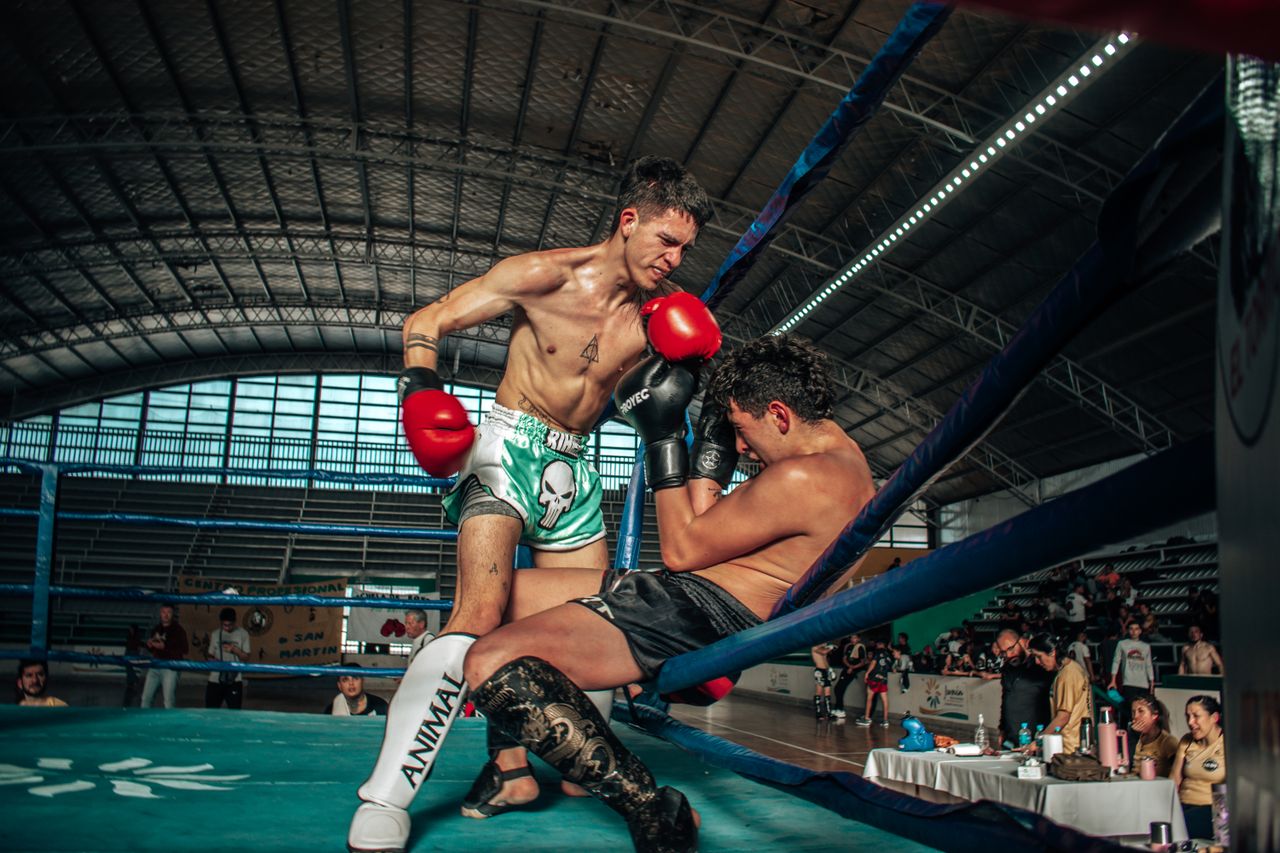
Toronto’s MMA identity is less about one single gym or one dominant fighting style than about being Canada’s largest urban combat-sports market. The city has produced and developed UFC-level athletes, hosted some of the most important MMA events in Canadian history, and built a training culture shaped by wrestling, boxing, Brazilian jiu-jitsu, Muay Thai, immigrant fight traditions, and the wider Southern Ontario combat-sports circuit. It is not the same kind of MMA capital as Montreal, which became internationally associated with Georges St-Pierre and Tristar Gym, but Toronto has its own profile: dense, diverse, commercially strong, and connected to a large amateur and professional fight ecosystem.
The city’s modern MMA scene sits on top of older combat-sports foundations. Boxing has long had a place in Toronto’s gyms and neighborhoods, while wrestling, judo, karate, taekwondo, and kickboxing all helped create the kind of athlete who could later transition into MMA. Toronto also benefits from the broader Ontario grappling scene, with Brazilian jiu-jitsu academies and submission grappling tournaments giving fighters a practical route into the ground game. That mix matters because Toronto MMA does not have one single inherited style. Its athletes often come from hybrid backgrounds, then refine their game inside full MMA gyms or through specialized striking and grappling rooms across the Greater Toronto Area.
Elias Theodorou remains one of the most recognizable names tied to the Toronto-area MMA story. Born in Mississauga and fighting out of Toronto, Theodorou won The Ultimate Fighter Nations: Canada vs. Australia and became a ranked UFC middleweight. His career gave the area a fighter who was not only successful in the cage, but also visible outside it, with a public profile that crossed into television, modeling, advocacy, and Canadian sports culture. His death in 2022 gave his career a memorial quality, but his place in the local MMA story remains secure: he was one of the clearest examples of a Toronto-area fighter reaching the UFC and becoming nationally recognizable.
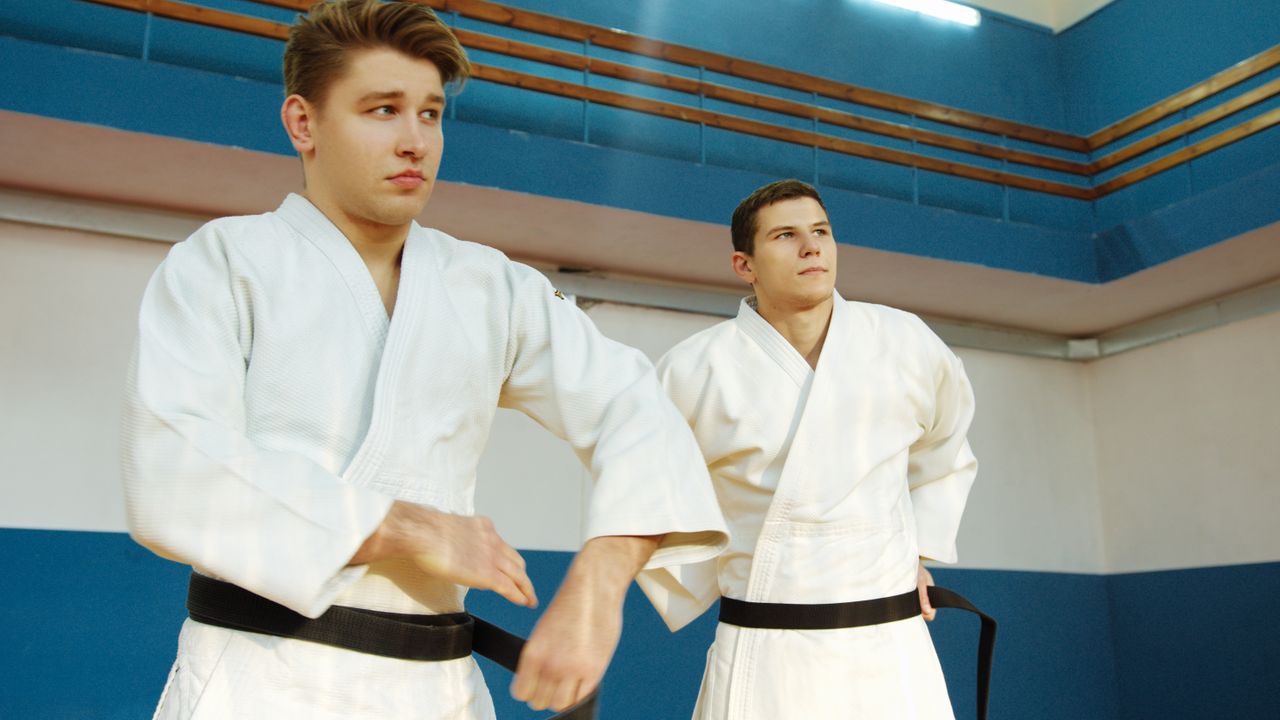
Misha Cirkunov represents another important strand of the city’s MMA identity. Born in Riga and based in Toronto after moving to Canada, Cirkunov developed through judo, wrestling, and Brazilian jiu-jitsu before reaching the UFC light heavyweight division. His career shows how Toronto can function as both an immigrant fight city and a technical development market. Fighters may arrive with one combat-sports base, add another discipline in the city, then sharpen the complete package through the GTA’s gym network.
Toronto’s gym scene is deep enough that it should not be reduced to a single room. Xtreme Couture Toronto has been one of the city’s most visible MMA institutions, while other academies across Toronto, Etobicoke, Mississauga, Scarborough, North York, and the surrounding suburbs contribute to the area’s fight culture. The training geography is important. Toronto MMA is not only downtown. It lives across a metropolitan region where athletes may box in one neighborhood, wrestle or grapple in another, and travel across the GTA for sparring or fight preparation.
As an event market, Toronto has also played a major role in Canadian MMA. UFC 129 at Rogers Centre was a landmark moment, turning Toronto into the site of one of the sport’s great stadium spectacles. Later UFC cards reinforced the city’s place as a major Canadian stop for international MMA, with fans willing to support big-event fight nights when the card and stakes are strong. That event history gives Toronto a different kind of importance from smaller fighter-producing markets. It is not only a place where athletes train. It is also a place where MMA can be presented at major-league scale.
The future of MMA in Toronto depends on the same factors that shape the city itself: population size, cultural variety, access to training, and competition for attention in a crowded sports market. Hockey, basketball, baseball, soccer, boxing, and other sports all fight for space, but MMA has a clear base. Toronto is a serious Canadian MMA city because it combines talent, infrastructure, fans, and event credibility. Its next step is producing more consistent UFC and major-promotion contenders from the local pipeline, not merely hosting stars from elsewhere.