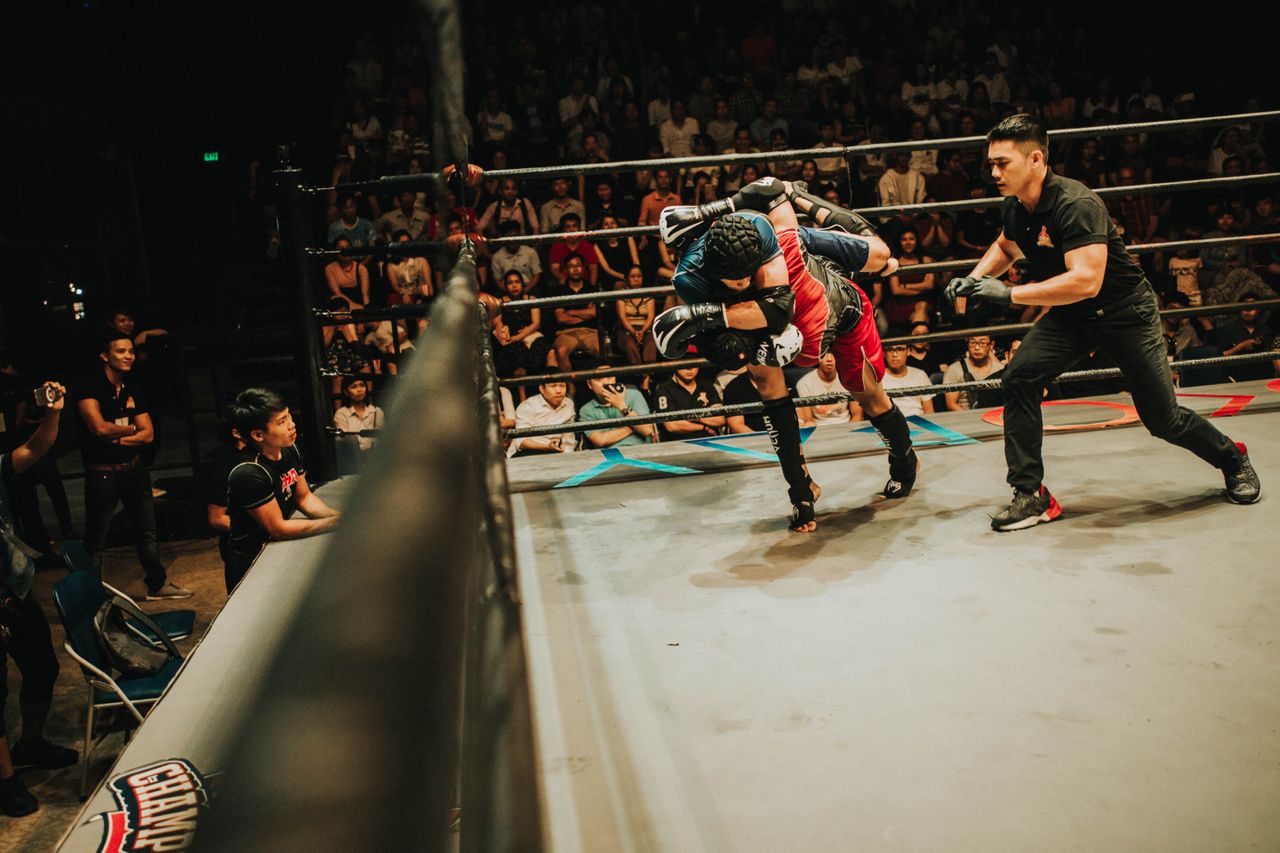
MMA in Wyoming is a sparse-market scene shaped by geography, wrestling culture, small gyms, local promotions, and the difficulty of building consistent competition across a large, lightly populated state. Wyoming does not have the fighter volume, gym density, or national-event history of larger MMA markets, but it does have a regulated combat-sports structure and a real network of regional gyms and fight cards. Its MMA identity is not star-driven. It is infrastructure-driven.
The state’s size and population distribution matter immediately. Fighters in Cheyenne, Casper, Rock Springs, Laramie, Sheridan, Rawlins, Green River, or smaller communities are not training in a dense metro ecosystem where dozens of gyms and sparring partners sit within a short drive. Wyoming MMA athletes often have to travel for matchmaking, training looks, wrestling rooms, boxing work, or regional competition. That creates a different kind of scene: smaller, tougher to organize, and heavily dependent on committed coaches and local promoters.
Wyoming’s formal regulation gives the sport a clearer base than many casual observers might expect. The Wyoming Combat Sports Commission is the state body connected to MMA regulation, and its public material identifies the commission through a Cheyenne government address and contact structure. Commission announcements have also referenced the state board’s membership in the Association of Boxing Commissions, giving Wyoming promotions access to national MMA recordkeeping systems.
That regulatory footprint matters because Wyoming once sat in the gray area common to smaller fight markets: MMA could exist, but recognition, recordkeeping, safety standards, and official oversight were harder to standardize. Reports from 2012 noted that Wyoming created a state mixed martial arts board to oversee and regulate MMA matches, with the goal of making bouts safer and officially recognized. For a state like Wyoming, that kind of structure is not just bureaucracy. It is part of what allows promoters to run shows that fighters can use as legitimate career steps.
The gym map is scattered but real. Tapology’s Wyoming gym directory lists combat-sports rooms in Cheyenne, Casper, Laramie, Lander, Rawlins, Green River, Sheridan, and other communities. Names such as Black Dragon Martial Arts, Cheyenne BJJ, Fight Syndicate, Outlaw MMA & Fitness, Raw Town MMA, Shields Combat Club, Slap Happy MMA, Team TNS, and Wyo Faction show that the state’s scene is not empty. It is decentralized. The problem is not the absence of training. The problem is the distance between serious training rooms and the limited size of the competitive pool.
Cheyenne is one of the state’s most important combat-sports centers because it has proximity to Colorado and a larger regional fight economy. Black Label BJJ of Cheyenne offers Brazilian jiu-jitsu, kickboxing, and MMA classes, with its MMA program describing striking, takedowns, submissions, and ground control. Its facility material also references certified striking coaches, BJJ black belts, a nationally ranked wrestling coach, and a custom MMA cage. That kind of room is important in Wyoming because one credible gym can serve as a major local hub.
Casper also matters. Outlaw MMA in Casper gives central Wyoming a recognizable MMA address, while other gyms across the state help fill in the map. Wyo Faction in Green River describes MMA training that blends striking and grappling concepts, with controlled sparring available for more experienced students. In a state with limited density, those gyms do more than run classes. They preserve the possibility that a wrestler, boxer, or jiu-jitsu athlete can stay in Wyoming long enough to start building an MMA base.
Wyoming’s event scene reflects the same regional scale. Tapology’s Wyoming regional page lists recent events in places such as Cheyenne, Rock Springs, and Evanston, including MTF and Wyo Fight cards. Older event listings include shows in Casper, and Wyo Fight presents itself as a veteran-owned fight promotion operating in Wyoming. These are not major national cards, but they are exactly the kind of shows a sparse-market MMA state needs: local stages where amateurs can debut, small pros can stay active, and gyms can test whether their training is working.
Wyoming’s future in MMA is likely to remain regional, but that does not make it irrelevant. The state is unlikely to become a major UFC pipeline without athletes regularly connecting to Colorado, Utah, Montana, Nebraska, or larger national camps. But it can continue to build a functional Rocky Mountain fight scene through regulation, small promotions, wrestling-based athletes, BJJ academies, and durable local gyms.
The most honest profile of Wyoming MMA is not that it is secretly a major powerhouse. It is a hard-to-build scene where every active gym and every sanctioned card matters more than it would in a larger market. Wyoming MMA is defined by distance, commitment, and regional connection. Its strength is not volume. Its strength is that the sport has enough structure to exist seriously in a state where nothing about geography makes fight development easy.