Florida boxing is a mix of homegrown fighters, immigrant fight cultures, resort-city events, old-school gym work, and major professional boxing markets. The state does not have one single boxing identity. Pensacola, Miami, Tampa Bay, Orlando, Hollywood, Fort Lauderdale, and South Florida’s Cuban and Caribbean communities all contribute different pieces. That variety makes Florida one of the most important boxing states in the United States, even if its boxing culture is spread across several centers rather than concentrated in one city.
The state’s professional reputation begins with fighters who gave Florida national and international recognition. Roy Jones Jr. is the defining figure. Born in Pensacola, Jones became one of the most gifted boxers of the modern era, winning world titles from middleweight to heavyweight and giving Florida a fighter whose athletic style changed how many fans understood speed, reflexes, and ring control. Antonio Tarver, associated strongly with Orlando, became a major light heavyweight figure and forever linked himself to boxing history through his rivalry with Jones. Winky Wright, from the Tampa Bay area, built his reputation on defense, patience, and technical discipline, becoming one of the most respected fighters of his generation. Jeff Lacy, Keith Thurman, Andre Berto, and other Florida-connected fighters added depth to the state’s modern boxing profile.
Florida’s boxing scene is also shaped by migration. Miami and South Florida have long been connected to Cuban boxing, Puerto Rican boxing, Haitian fighters, Dominican fighters, and broader Latin American fight culture. Cuban boxing in particular gives Florida a unique place in the sport. Many Cuban fighters have used South Florida as a professional base after leaving one of the world’s strongest amateur boxing systems. That has made Miami a bridge between Olympic-style technical boxing and the American professional market.
The state’s venues and event economy matter too. Florida has hosted major televised cards, casino shows, arena events, and regional professional fights. South Florida, especially around Miami and Hollywood, has become a regular fight destination because it combines boxing audiences with tourism, media access, and a strong Latin American sports market. Tampa and Orlando also support professional cards and local shows, while smaller cities help sustain the amateur side.
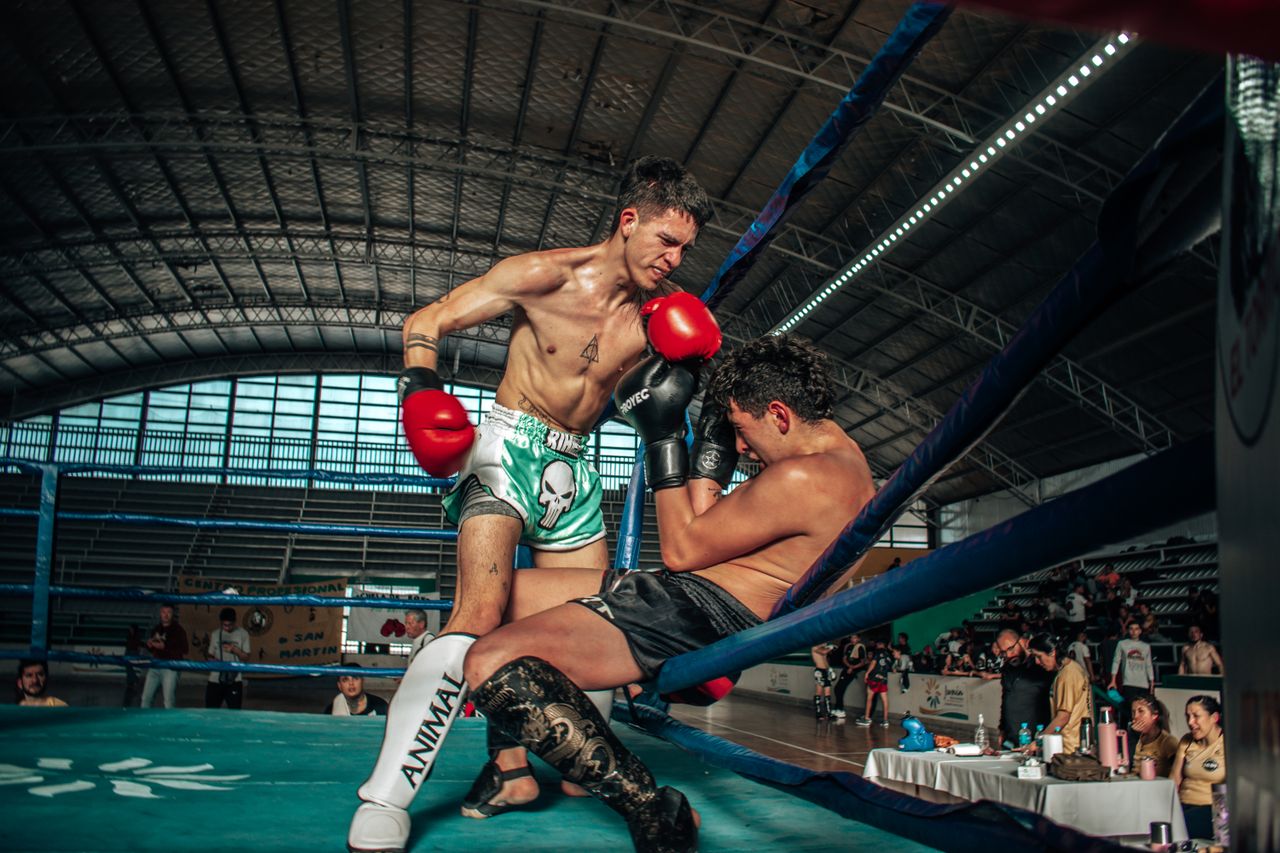
Training culture in Florida is broad. Some gyms are serious competitive rooms producing amateurs and professionals. Others are fitness-heavy boxing clubs serving adults who may never compete. The best Florida gyms often benefit from the state’s diversity: Cuban coaches, Caribbean fighters, American amateurs, former professionals, MMA athletes, and conditioning-focused clients can all share the same space. That crossover can make Florida gyms technically varied and commercially resilient.
Amateur boxing remains a major part of the state’s foundation. Florida’s size gives young fighters access to a large internal competition network before they even step into regional or national tournaments. Youth boxing, Golden Gloves-style competition, and local club shows give the state a steady development base. The challenge is not interest; it is coherence. Florida boxing is powerful because it is large and diverse, but it can also feel decentralized.
Women’s boxing has room to grow in Florida, especially because the state already has the gym infrastructure, fight audiences, and combat-sports culture to support it. As professional women’s boxing gains visibility, Florida is well positioned to stage more events and produce more contenders.
Florida boxing is best understood as a state of multiple fight cultures. It has produced elite champions, hosted major cards, absorbed Cuban and Caribbean boxing knowledge, and built a large participation base. Its future will likely look the same: decentralized, diverse, technically rich, and constantly connected to the wider boxing world.