Sri Lanka’s MMA scene is best understood as an emerging combat-sports market built around urban gyms, imported martial arts systems, and a growing appetite for complete fighting rather than a long-established professional pipeline. The country does not yet have the international MMA profile of South Asia’s larger combat-sports markets, but it has the ingredients of a developing scene: boxing culture, karate and taekwondo participation, Muay Thai instruction, Brazilian jiu-jitsu exposure, wrestling fundamentals, and fitness-driven combat training in Colombo and other urban centers.
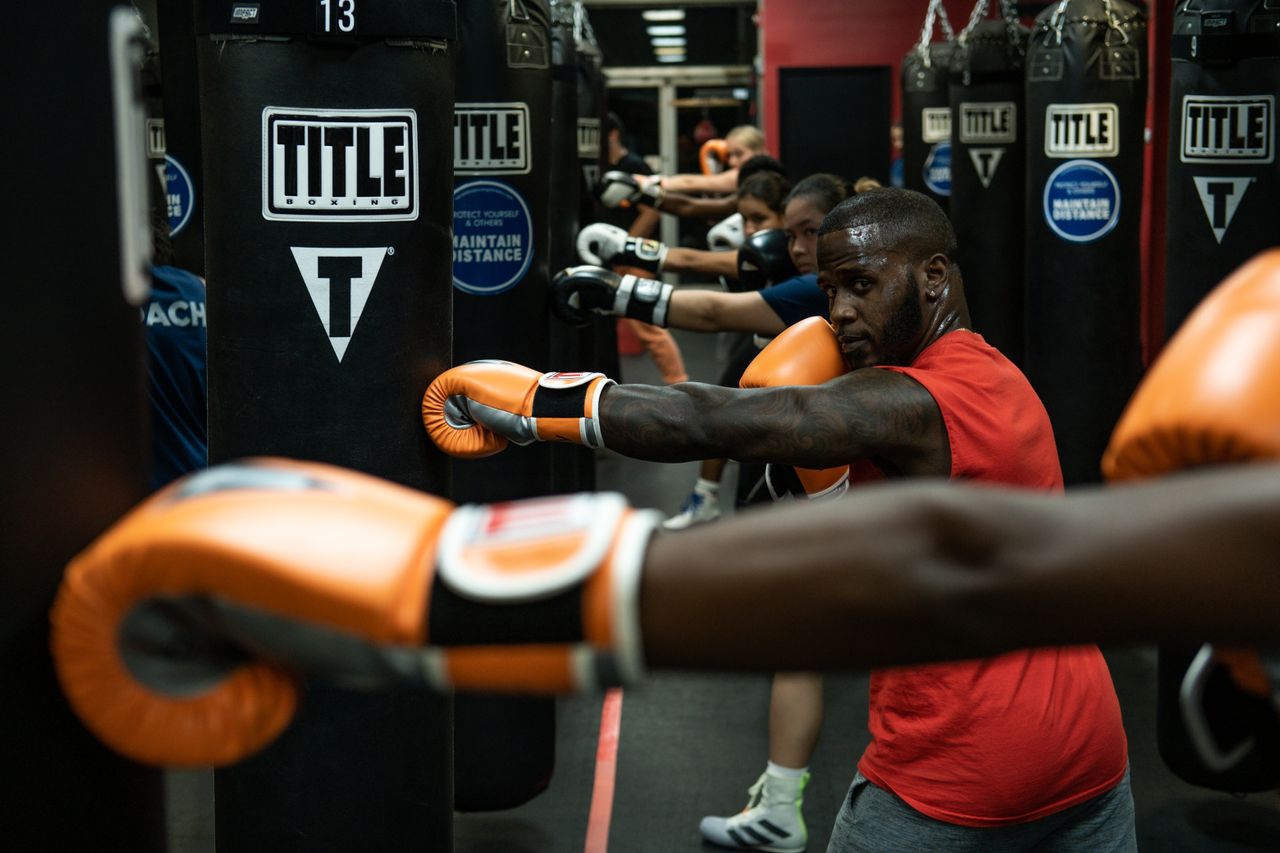
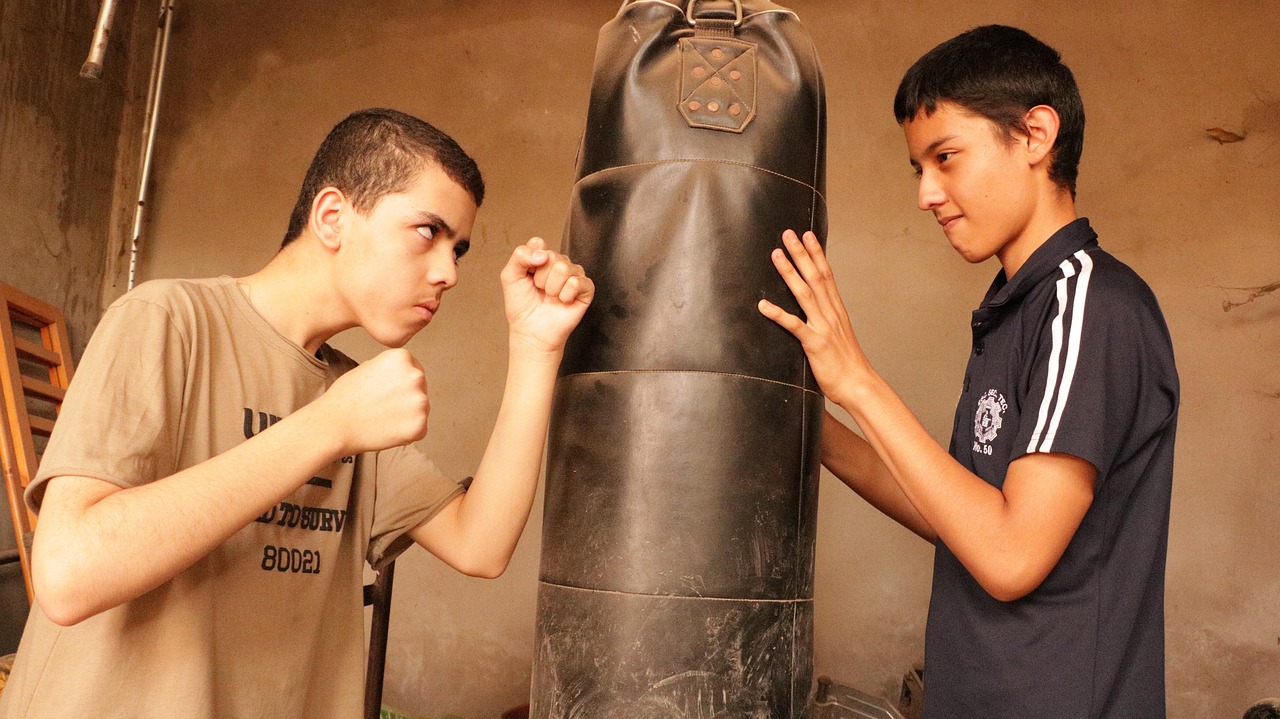
The country’s modern MMA identity is still closely tied to training infrastructure. In places where professional fight cards are limited, the gym becomes the center of the sport. Sri Lankan athletes who enter MMA often arrive through another discipline first. Some come from striking backgrounds, especially boxing, karate, kickboxing, or Muay Thai. Others are drawn in through self-defense, military-style conditioning, grappling classes, or general combat fitness. That makes Sri Lanka less of a single-style MMA culture and more of a blended beginner-to-intermediate market where the goal is to build well-rounded athletes from several separate martial arts communities.
Colombo is the natural center of gravity. It has the population density, commercial fitness market, and international exposure needed for MMA to take hold. Gyms advertising MMA, boxing, self-defense, Brazilian jiu-jitsu, Muay Thai, wrestling, and conditioning have helped define the sport for everyday students as much as for competitive fighters. That matters because in emerging MMA countries, recreational participation often arrives before a serious professional circuit. The first wave of growth is usually made of students learning striking, takedown defense, clinch work, and submissions in the same room. Only later does that base produce consistent amateur fighters, coaches, referees, and promotions.
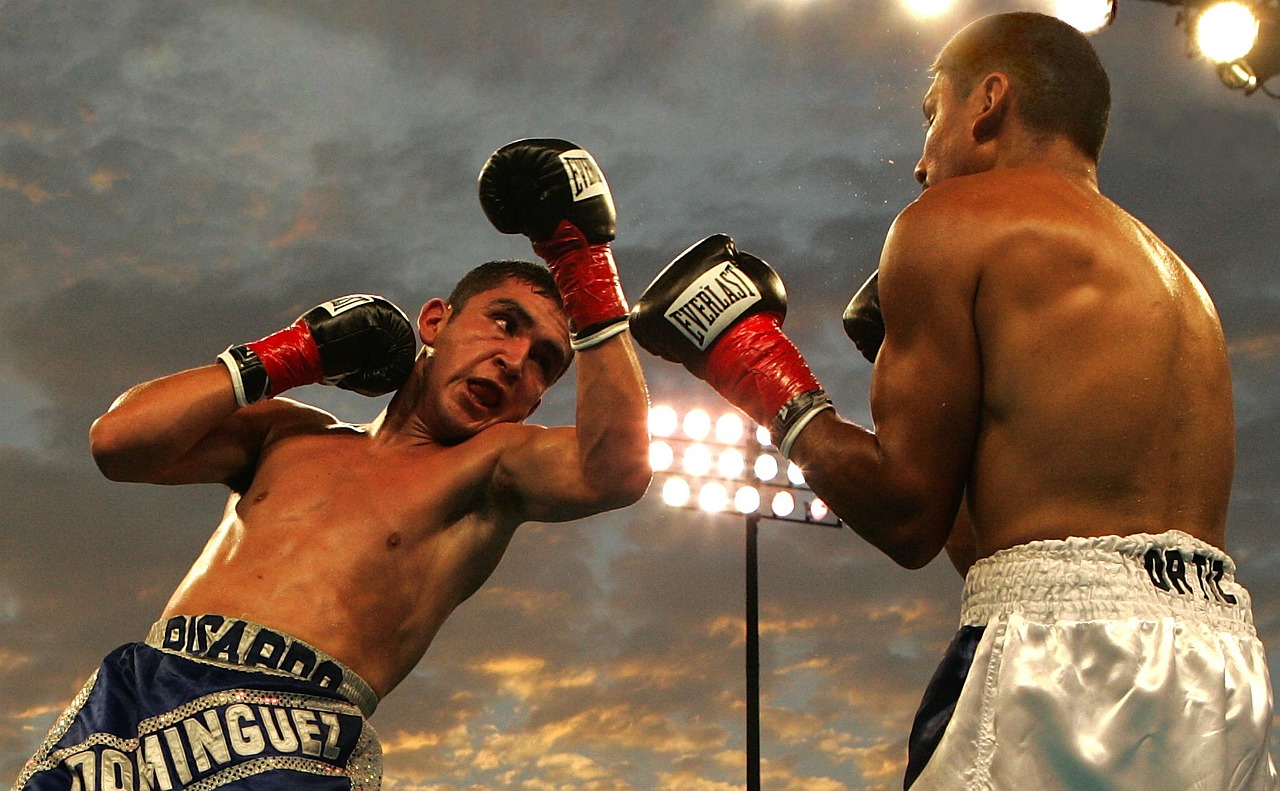
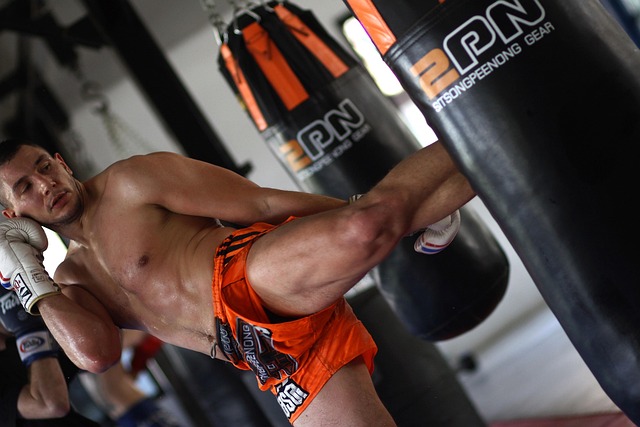
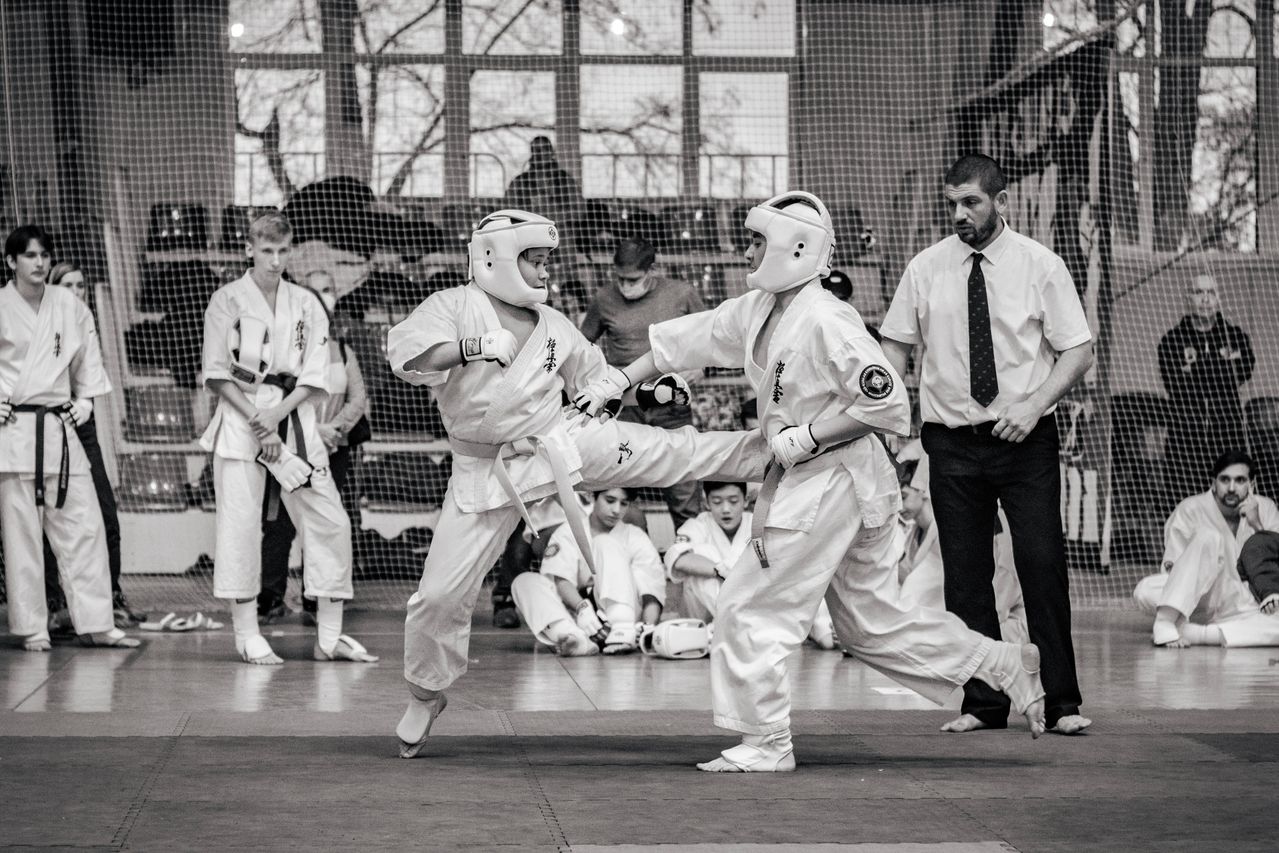
Sri Lanka’s combat-sports history gives MMA a useful foundation even if the modern cage-fighting scene remains young. Boxing has long had a place in schools, military institutions, and club sport. Karate and taekwondo have broad participation across youth martial arts. Muay Thai and kickboxing have added a more practical striking layer for athletes interested in full-contact competition. Brazilian jiu-jitsu is especially important because it fills a technical gap that many striking-heavy countries face when MMA begins to develop. Without consistent grappling instruction, fighters can look athletic and dangerous on the feet but struggle once bouts reach the clinch or mat.
The next stage for Sri Lankan MMA depends less on producing one breakout star and more on building repeatable competition pathways. Fighters need amateur shows, regional opponents, rules education, medical standards, judging experience, and coaches who understand how to prepare athletes for three-phase fighting. A country can have talented strikers and strong martial arts schools without having a mature MMA ecosystem. The difference is whether athletes can regularly test themselves under MMA rules.
Sri Lanka’s likely path is gradual and gym-led. The country may not suddenly become a major Asian MMA exporter, but it can become a serious small-scene market if Colombo-based gyms continue to connect striking, grappling, and conditioning under one competitive framework. For now, MMA in Sri Lanka is a developing scene with more infrastructure than visibility. Its future will be shaped by how well local coaches turn martial arts participation into actual fight experience.