MMA in Malawi is still at an early stage, and the country’s combat-sports identity is better understood through boxing before it is understood through the cage. That matters because Malawi does have fighters, fight culture, and athletic toughness. What it does not yet have is a large, visible, internationally connected MMA structure comparable to more developed combat-sports markets.
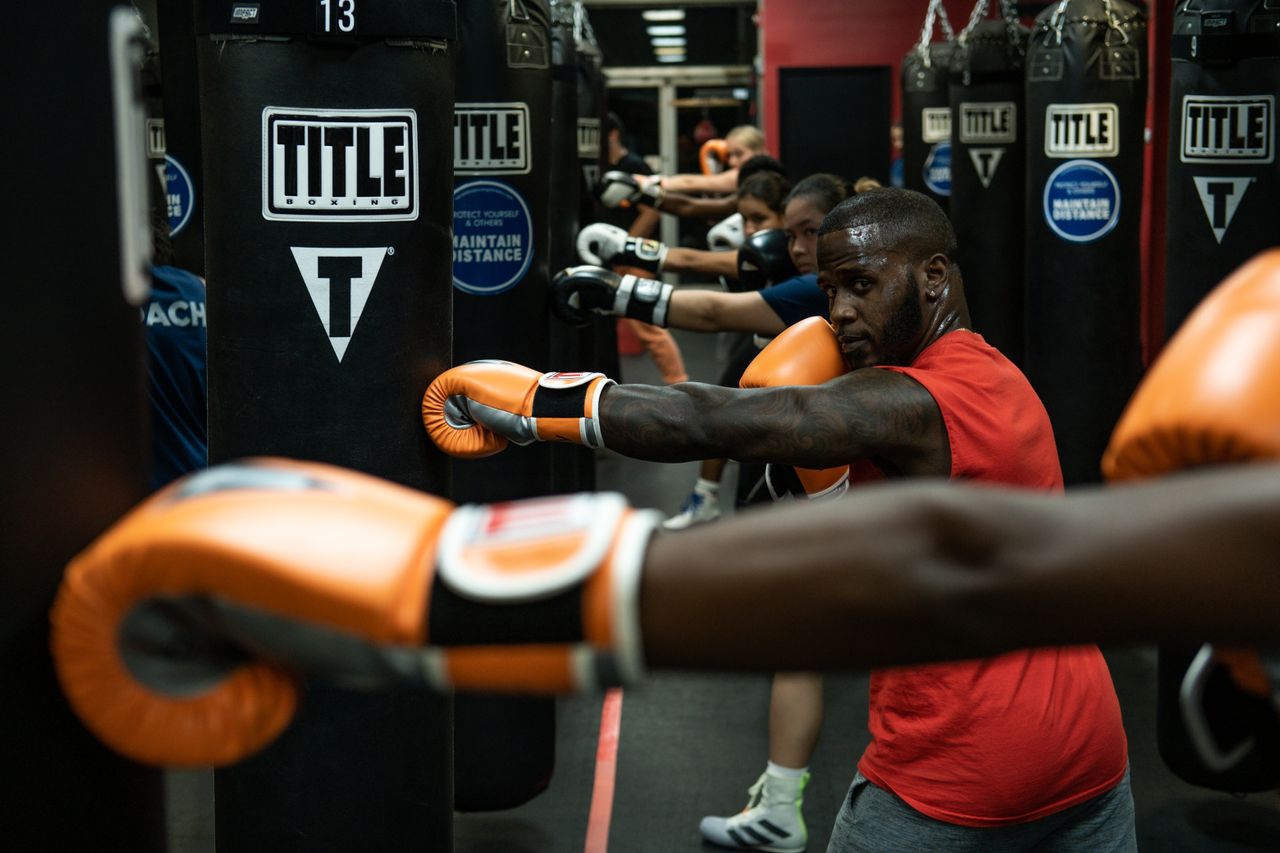
Boxing is the clearest foundation. Malawi has produced professional boxers with regional recognition, including Ellen “The Tigress” Simwaka, one of the country’s most visible modern combat-sports athletes. Fighters such as Anisha Basheel, Byson Gwayani, Yamikani Mkandawire, and others have also helped keep Malawian boxing present in African fight records. This boxing base gives Malawi a natural entry point into MMA, but it is only one piece. A boxer entering MMA still needs wrestling defense, clinch work, jiu-jitsu, ground-and-pound awareness, and the ability to fight off the cage.
That is the central issue for MMA in Malawi: the country has combat athletes, but the MMA pipeline remains thin. Fighter databases list a number of Malawi-associated MMA names, including Elias Bonzo, Elvin Douglas, Euria Matoga, Ezra Sifoliano, Fatima M’beka, Francis Luwani, and others, but many appear with little or no recorded professional activity. That suggests a scene still forming at the amateur, gym, or early competitive level rather than a mature professional ecosystem.
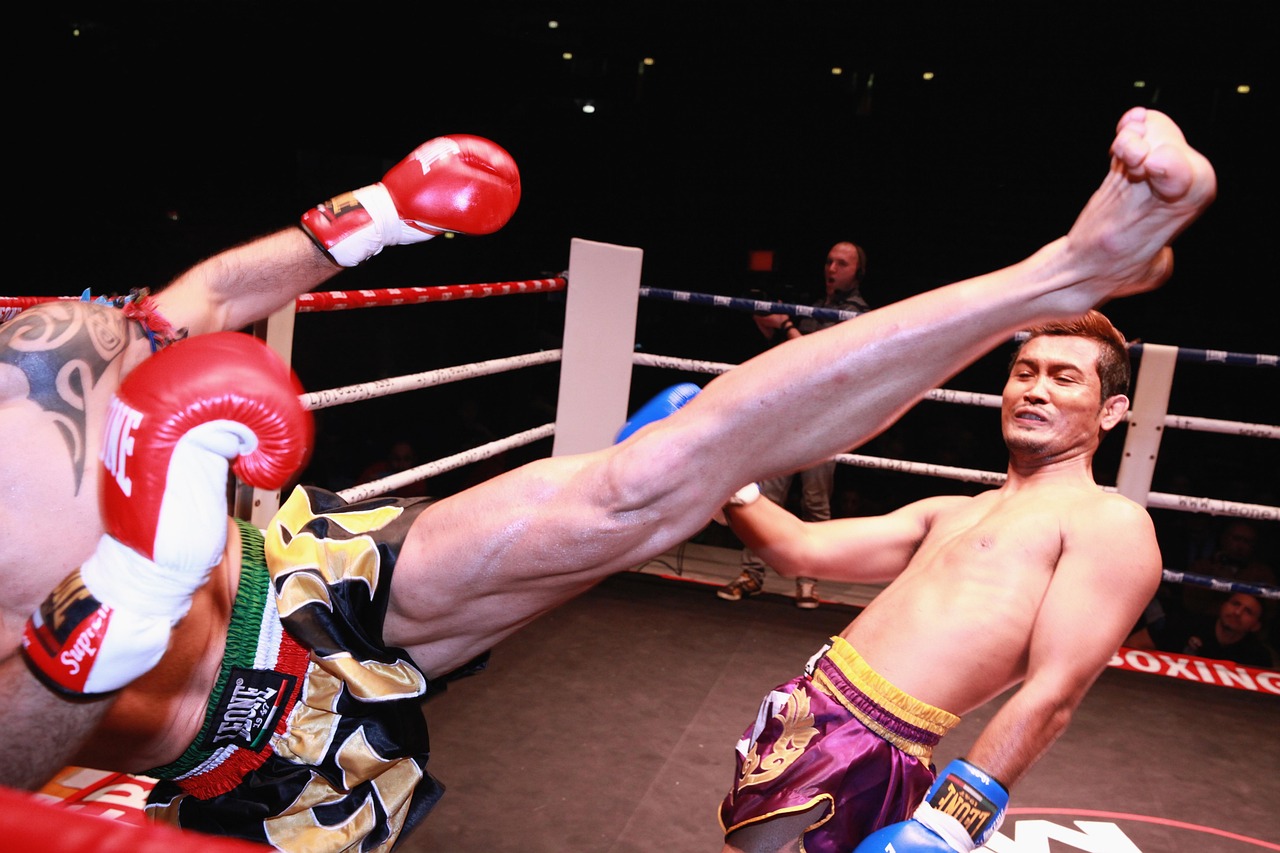
In practical terms, MMA development in Malawi likely depends on multi-sport gyms and individual coaches rather than a deep national circuit. Smaller African MMA markets often grow this way. Athletes begin in boxing, kickboxing, karate, taekwondo, judo, wrestling, or self-defense training, then gradually add grappling and cage-specific work as coaching becomes available. The first serious MMA athletes in a country are often hybrids by necessity. They learn wherever they can, travel when they must, and compete when regional opportunities appear.
Malawi’s geography creates both obstacles and opportunities. It does not sit at the center of Africa’s biggest MMA markets, but it is not isolated from regional combat-sports development either. Southern and eastern Africa have seen growing interest in MMA, and fighters from smaller countries can benefit when regional promotions, amateur championships, and cross-border events become more active. For Malawian athletes, the path to higher-level MMA may run through neighboring or nearby fight markets before it runs through major global promotions.
The fan culture is likely to grow through boxing first. In countries where boxing already has a recognizable place, MMA often has to prove itself as more than a violent novelty. It needs coaches who can explain the sport, events that are run safely, and athletes who demonstrate skill rather than chaos. Once fans understand the combination of striking, wrestling, and submissions, MMA can begin to attract a different kind of attention. But that takes consistency.
Women’s combat sports could also be part of Malawi’s longer-term MMA story. The visibility of female boxers gives the country a foundation that many developing fight markets lack. If MMA coaching and amateur competition become more accessible, women who already see boxing as a possible competitive path may eventually view MMA the same way. That will require safe gyms, credible matchmaking, and enough local role models to make the sport feel reachable.
Malawi should not be described as an established MMA country yet. Its profile is still forming, and its most credible combat-sports reputation remains tied to boxing. But that does not mean MMA has no future there. The country has athletes, a fighting tradition through the ring, and potential access to a growing African MMA ecosystem. The next step is infrastructure: more coaches, more grappling, more amateur bouts, and more regional opportunities.
For now, MMA in Malawi is a small-scene story with boxing at its core. Its future will depend on whether that boxing base can be expanded into a complete mixed martial arts pathway.