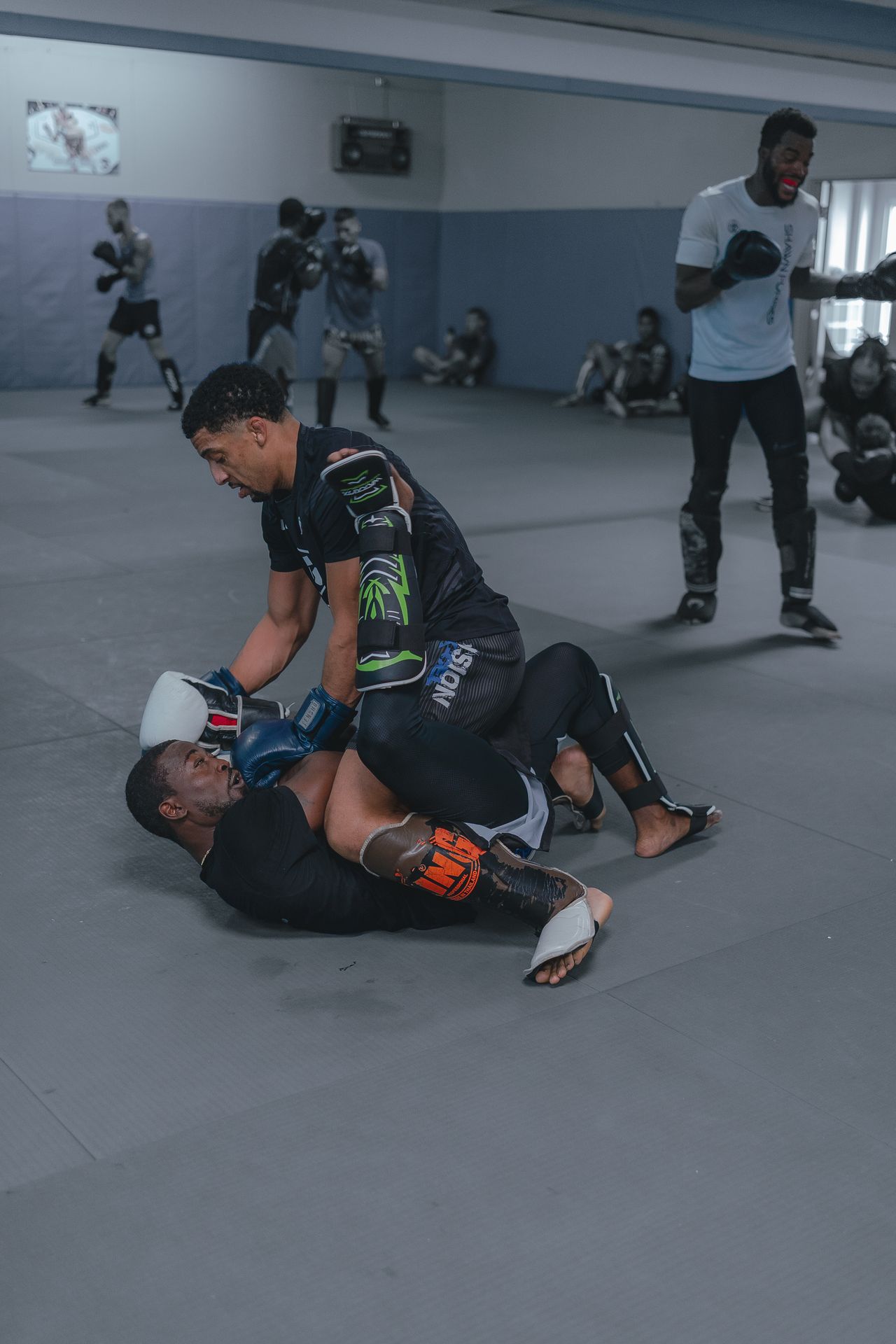
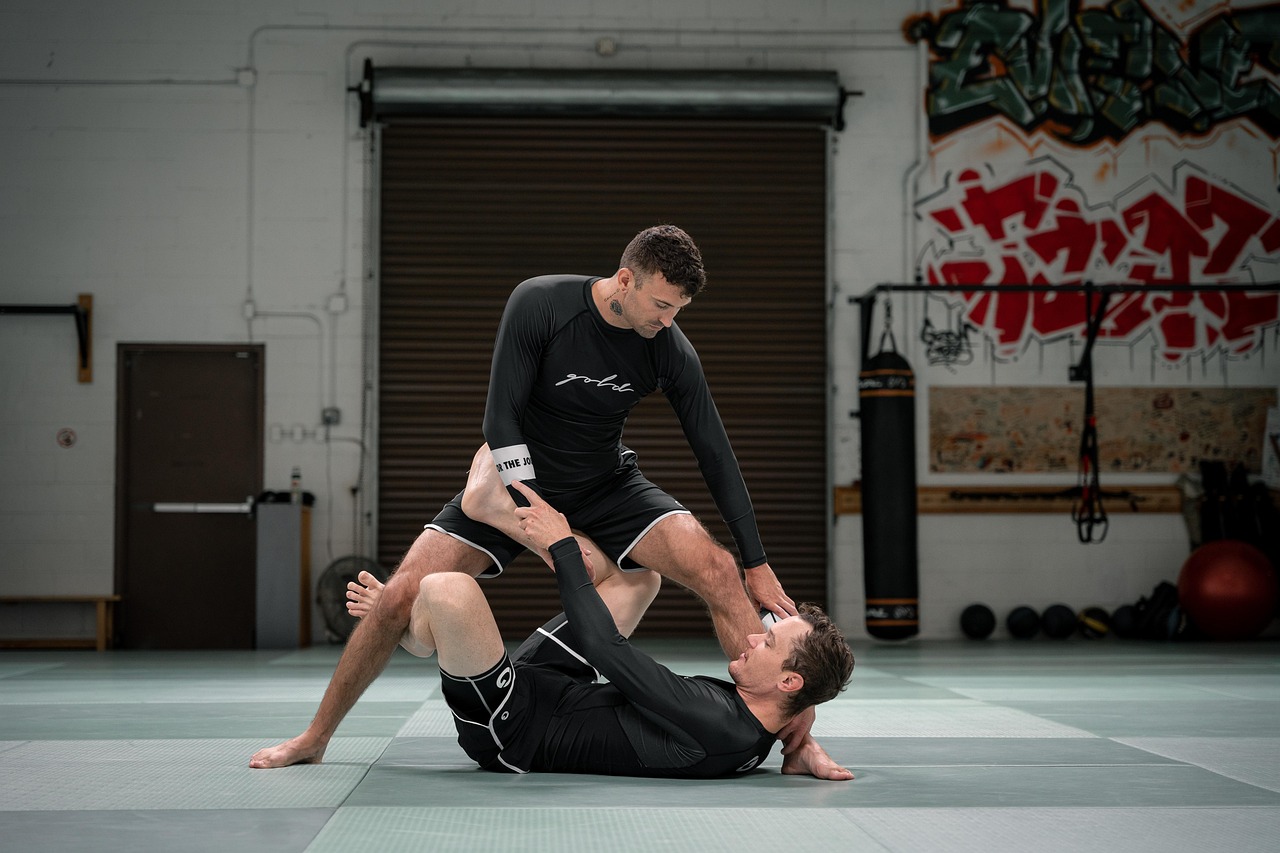
Judo in MMA matters because it gave fighters a different way to control where a fight happens. Wrestling became the most obvious grappling base in mixed martial arts, but judo brought its own strengths: trips, throws, clinch entries, balance attacks, and submissions that could turn one grip into a fight-changing moment. Its impact has never been as universal as wrestling or Brazilian jiu-jitsu, but that is part of what makes it important. When adapted well, judo gives MMA fighters tools that opponents do not always see coming. It changed the clinch from a place of stalling or separation into a place where leverage could become offense.
How Judo Moved From the Mat Into the Cage
Judo began as a Japanese martial art built around throws, pins, submissions, and the efficient use of balance. Its sporting form developed under rules that rewarded clean throws and control, which created athletes trained to feel weight shifts, break posture, and attack from close contact. That background made judo a natural fit for parts of MMA, especially in the clinch.
The challenge was adaptation. Traditional judo relies heavily on the gi, while MMA fighters compete without one. A judoka cannot simply grab a sleeve or lapel and recreate the same sequence inside a cage. The grip fighting changes. The stance changes. The risk of strikes changes everything. In MMA, a fighter who overcommits to a throw can give up back control, land in a bad position, or absorb damage while entering.
That is why judo in MMA has usually worked best when athletes adjusted the art rather than copied it. Fighters had to replace gi grips with underhooks, overhooks, wrist control, body locks, head position, and cage pressure. They also had to connect throws to striking, takedown defense, and ground transitions. The art still mattered, but it had to become part of a larger fight system.
Judo in MMA Became a Clinch, Trip, and Submission Problem
The clearest examples of judo in MMA come from fighters who used it as a practical weapon rather than a stylistic label. Ronda Rousey made judo central to her rise in women’s MMA. Her Olympic background gave her elite clinch instincts, and her throws often led directly into armbar finishes. Opponents did not just have to defend takedowns. They had to survive the entire chain: entry, off-balance, throw, landing position, and submission threat.
Karo Parisyan was another important figure in showing how judo could work without the gi. His throws and trips gave early UFC audiences a different look from standard wrestling shots. He used body locks, momentum, and timing to create takedowns from positions where opponents expected pummeling or separation.
Other fighters showed different versions of the same idea. Yoshihiro Akiyama brought high-level judo into major MMA promotions. Kayla Harrison adapted Olympic judo into a more complete MMA game, using clinch control and top pressure as major parts of her success. Even fighters without pure judo identities have borrowed judo concepts: inside trips, foot sweeps, hip throws, sacrifice throws, and balance attacks appear across the sport.
The key is that judo does not have to dominate every exchange to change a fight. Sometimes one trip against the fence is enough. Sometimes a fighter defending a body lock leaves an arm exposed. Sometimes the threat of being thrown forces an opponent to stand taller, widen their base, or hesitate in the clinch. That hesitation can create openings for knees, dirty boxing, cage control, or level changes.
Why Judo Still Matters in Modern MMA
Judo still matters in modern MMA because it gives fighters another layer of problem-solving. The sport has become increasingly complete. Fighters train wrestling defense, jiu-jitsu escapes, striking transitions, and cage movement from the beginning. That makes surprise harder to create. Judo remains valuable because its best attacks often come from timing and balance rather than obvious power entries.
It also helps explain why the clinch is one of MMA’s most complex spaces. From the outside, a clinch can look static. In reality, fighters are fighting for head position, wrist control, underhooks, hip placement, foot position, and balance. A fighter with judo instincts can turn small mistakes into major changes: a step too narrow, a shoulder too high, a push in the wrong direction.
Judo’s legacy in MMA is not that every fighter needs to become a judoka. Its legacy is that mixed martial arts became more complete by absorbing the parts of judo that survived under pressure. The best judo-based MMA fighters proved that throws could be more than highlights. They could be entries into control, submissions, and momentum shifts.
Judo in MMA remains important because it expanded the sport’s understanding of grappling. Wrestling controls levels and pressure. Brazilian jiu-jitsu controls submissions and positional survival. Judo adds another question: what happens when balance disappears before a fighter even realizes it is gone? That question still matters every time a clinch turns into a throw.