MMA in Yemen is best understood as a small, scattered combat-sports identity rather than a fully built professional fight scene. The country has athletes connected to mixed martial arts, boxing, jiu-jitsu, and regional training communities, but Yemen does not yet have the kind of domestic MMA infrastructure seen in stronger Middle Eastern or North African markets. Its profile is shaped less by major local promotions and more by individual fighters, diaspora athletes, and the broader combat-sports culture of Yemenis training abroad.
That distinction matters. Yemen has a deep toughness associated with traditional sport, military culture, and boxing-style combat, but modern MMA requires more than toughness. It needs cages, commissions, coaches, medical standards, amateur tournaments, grappling rooms, striking coaches, and a repeatable path from beginner to amateur to professional. Yemen’s recent history has made that kind of ecosystem difficult to build inside the country. As a result, Yemeni MMA has often developed through migration, regional opportunity, and athletes training in countries with more stable combat-sports infrastructure.
The fighter list associated with Yemen is modest compared with larger MMA countries, but it shows that the country is not absent from the sport. Yemeni names appear in amateur and professional databases, usually in the lower weight classes or early-career records. That is typical for countries where MMA exists through individual initiative rather than a dense national system. The presence of Yemeni fighters does not yet equal a mature scene, but it does show the outline of a sport trying to find footholds through scattered participation.
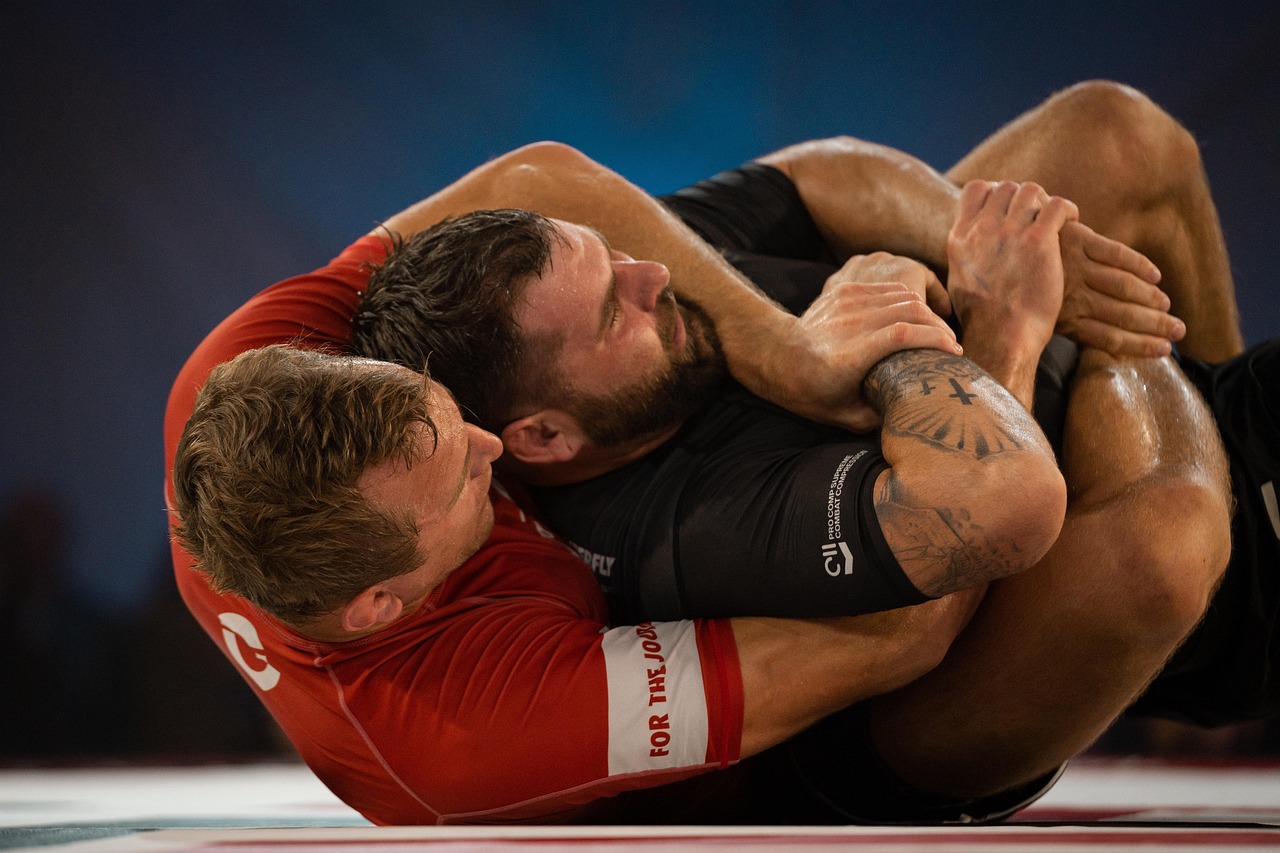
The more visible Yemeni combat-sports success has often come through grappling and diaspora identity. Osamah Almarwai, a high-level Brazilian jiu-jitsu athlete of Yemeni descent, represents an important version of that story. He was born and raised in Saudi Arabia, but his Yemeni background matters because it connects Yemen to the broader Arab grappling boom. His success in elite jiu-jitsu does not make Yemen an MMA power, but it does give Yemeni combat sports a recognizable technical reference point. For a country still building MMA visibility, that kind of grappling credibility is valuable.
Yemen’s future in MMA will likely depend on three pathways. The first is the diaspora route, with Yemeni athletes training in the United States, Gulf countries, Europe, or Southeast Asia and competing under a Yemeni identity. The second is regional development, where Yemeni fighters access promotions and gyms in nearby markets with stronger infrastructure. The third is grassroots combat-sports growth inside Yemen itself, especially through boxing, jiu-jitsu, wrestling, and kickboxing programs that could eventually feed MMA.
For now, Yemen should not be described as an established MMA country. It is better described as a combat-sports nation with a limited modern MMA footprint, a scattered fighter base, and a diaspora-linked path into the sport. The next meaningful step is not one big UFC breakthrough, although that would change visibility quickly. The more important step is building repeatable amateur experience, safer training standards, and regional competition access. If those pieces develop, Yemeni MMA can move from isolated names to a more coherent national identity.