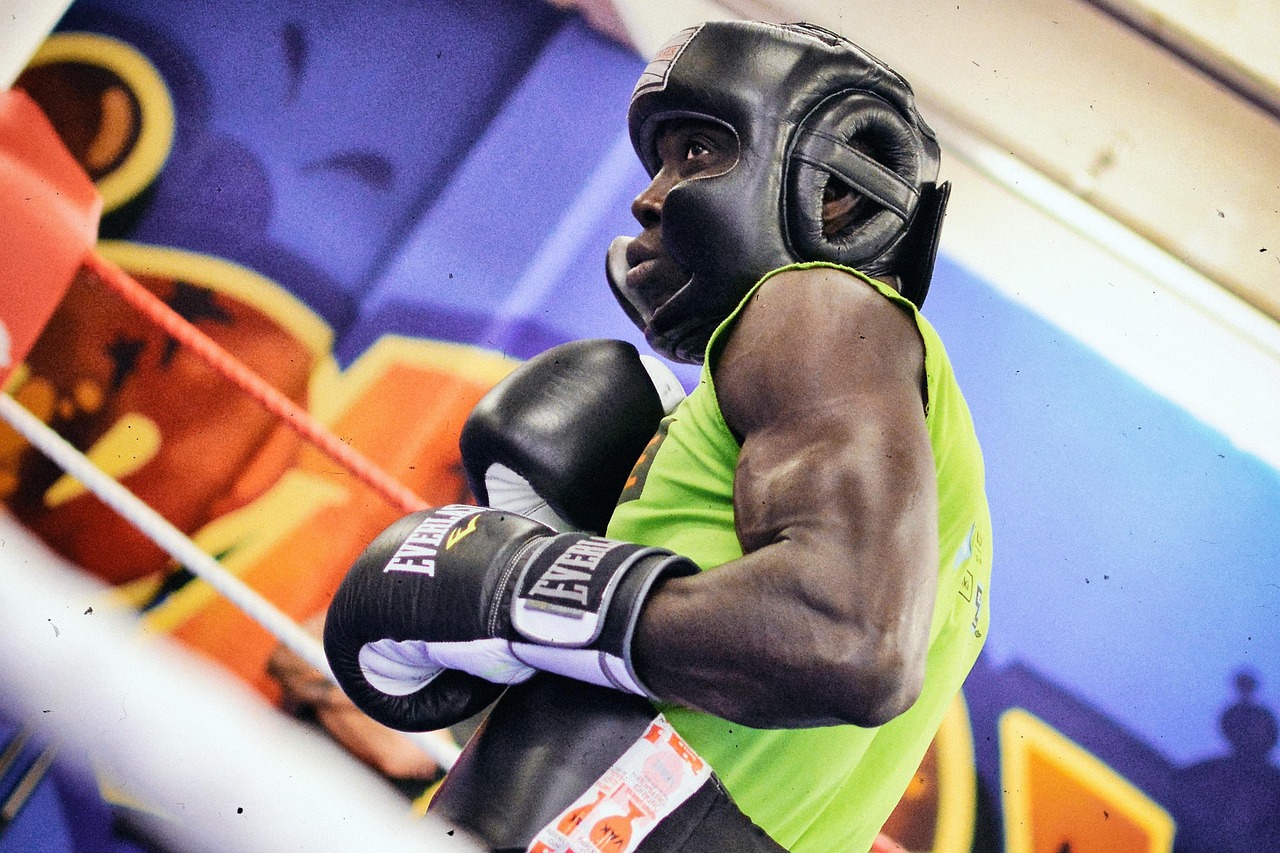
Columbus boxing is less about one towering identity than a steady Midwestern fight culture built through gyms, amateur development, regional shows, and the city’s connection to Ohio’s broader boxing map. The city does not carry the same old fight-town mythology as Cleveland or Cincinnati, but that is part of what makes Columbus interesting. Boxing here has often grown through participation first: local gyms, youth programs, tough sparring rooms, and fighters who use the city as a base while testing themselves across Ohio, the Midwest, and the national amateur system.
Ohio has always had a serious boxing tradition, and Columbus sits in the middle of that geography. Fighters from the city can move toward Cleveland, Cincinnati, Toledo, Dayton, Pittsburgh, Detroit, Indianapolis, and Chicago without leaving the regional fight ecosystem. That matters. A boxer in Columbus does not need the city to be a global fight capital to find hard rounds. The surrounding map provides amateur tournaments, club shows, regional cards, and the kind of matchmaking that teaches young fighters how to deal with different styles.
The most important part of boxing in Columbus is the gym culture. Like many state-capital fight scenes, the sport lives in rooms that serve several different audiences at once. There are competitive amateurs, young fighters learning discipline, adults using boxing for conditioning, and experienced coaches trying to keep the old habits of the sport alive. The best boxing gyms in Columbus are not just fitness spaces. They are teaching rooms where footwork, defense, bag work, ring generalship, and controlled sparring create the bridge between recreational boxing and actual competition.
Columbus also benefits from the presence of a large student and young professional population. That gives boxing a different kind of visibility. Not everyone who walks into a gym is trying to become a professional fighter. Many are looking for structure, conditioning, self-defense, or a demanding sport that feels more personal than ordinary fitness training. This helps keep gyms open and creates a larger base of people who understand boxing beyond televised title fights.
The competitive side of Columbus boxing tends to flow through the amateur system. Young fighters often build themselves through local tournaments, Golden Gloves-style events, regional competitions, and USA Boxing pathways. For many boxers, the amateur scene is the real proving ground. It teaches pace, composure, travel, weight management, and the ability to win rounds under pressure. Columbus can produce serious fighters because the city gives them access to both local coaching and regional competition.
Professional boxing in Columbus is more modest than in larger fight markets, but it still has a role. Local and regional cards give prospects rounds, allow experienced fighters to stay active, and give fans a chance to see boxing outside the television product. These shows are important because they keep the sport connected to the city. A local card may not carry the glamour of Las Vegas or New York, but it gives young boxers a visible target. They can see the next step without imagining boxing as something that only happens somewhere else.
Columbus boxing also has a broader Ohio identity behind it. The state has produced world champions, rugged contenders, Olympic-level amateurs, and tough professionals from multiple cities. Columbus inherits that standard. A fighter from the city is competing not only against local opponents but against the expectation that Ohio boxing is supposed to be durable, disciplined, and difficult to beat.
The future of boxing in Columbus depends on that balance between participation and competition. If gyms continue to serve both serious amateurs and recreational boxers, the base of the sport stays healthy. If local shows and regional tournaments remain active, the best fighters have somewhere to grow. Columbus may not be the loudest boxing city in America, but it has the ingredients that matter: coaches, gyms, athletes, regional access, and a sports culture that respects hard training.