El Salvador’s MMA identity is best understood as a small Central American scene with one major international reference point and a broader combat-sports base still trying to translate into deeper mixed martial arts infrastructure. The country is not yet known as a major MMA exporter, and it does not have the same volume of internationally visible fighters as Brazil, Mexico, the United States, or Costa Rica. Its place in the sport is more specific: Salvadoran MMA has grown through individual breakthroughs, regional competition, diaspora connections, and the gradual spread of grappling and striking gyms around a country where football remains the dominant sporting language.
The name that gives El Salvador its clearest historical connection to major MMA is Ivan Menjivar. Born in El Salvador and long associated with Canada’s Tristar Gym, Menjivar carried the nickname “The Pride of El Salvador” and competed across the lighter divisions during an era when bantamweight and featherweight MMA were still establishing themselves internationally. His career matters because he gave Salvadoran fans and Salvadoran-descended athletes a visible link to the UFC, WEC, and the North American professional circuit. He was not the product of a large Salvadoran MMA machine, but that is exactly why his career stands out: he represented the possibility of a Salvadoran fighter reaching elite platforms even when most of the training structure existed outside the country.
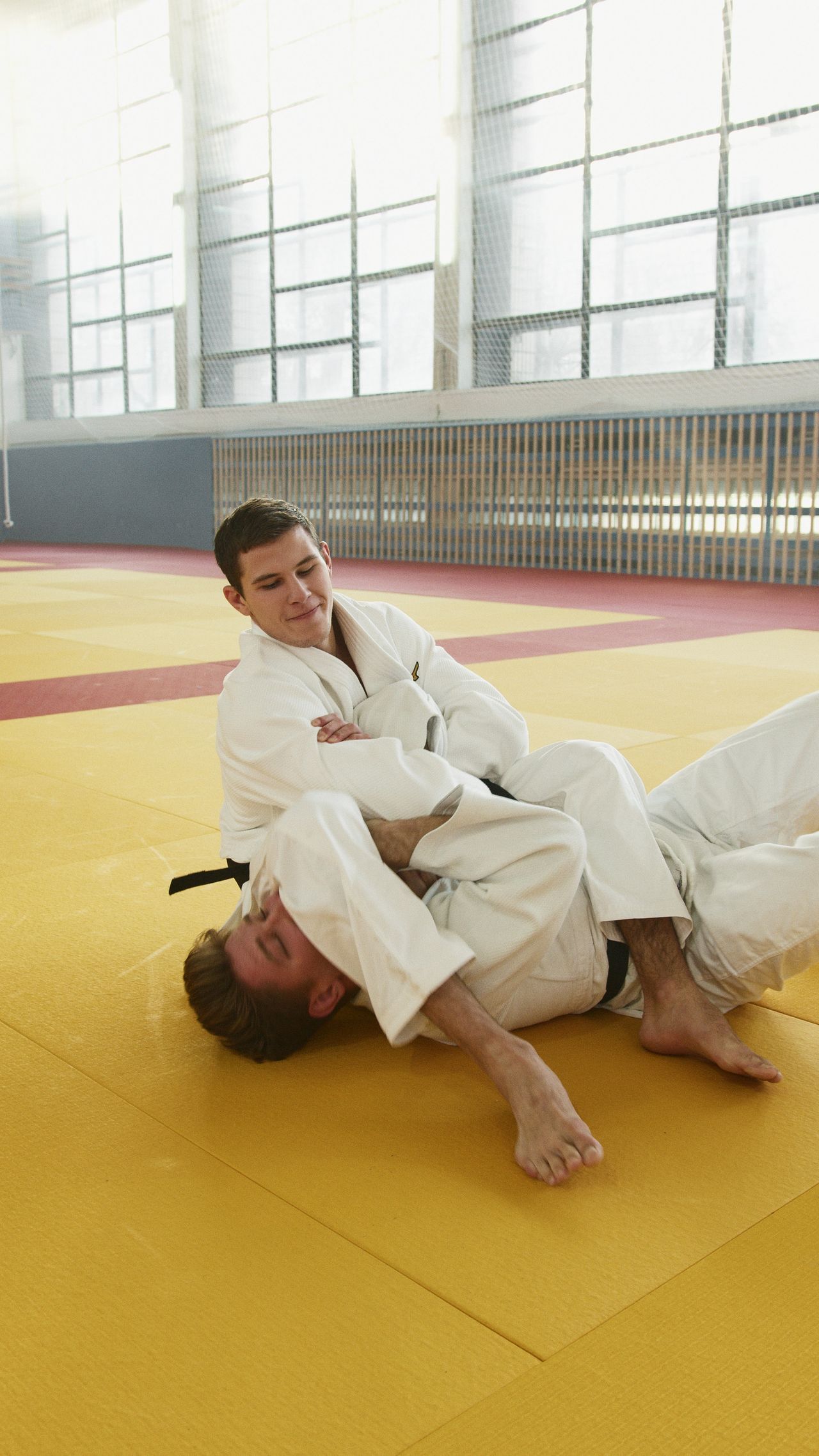
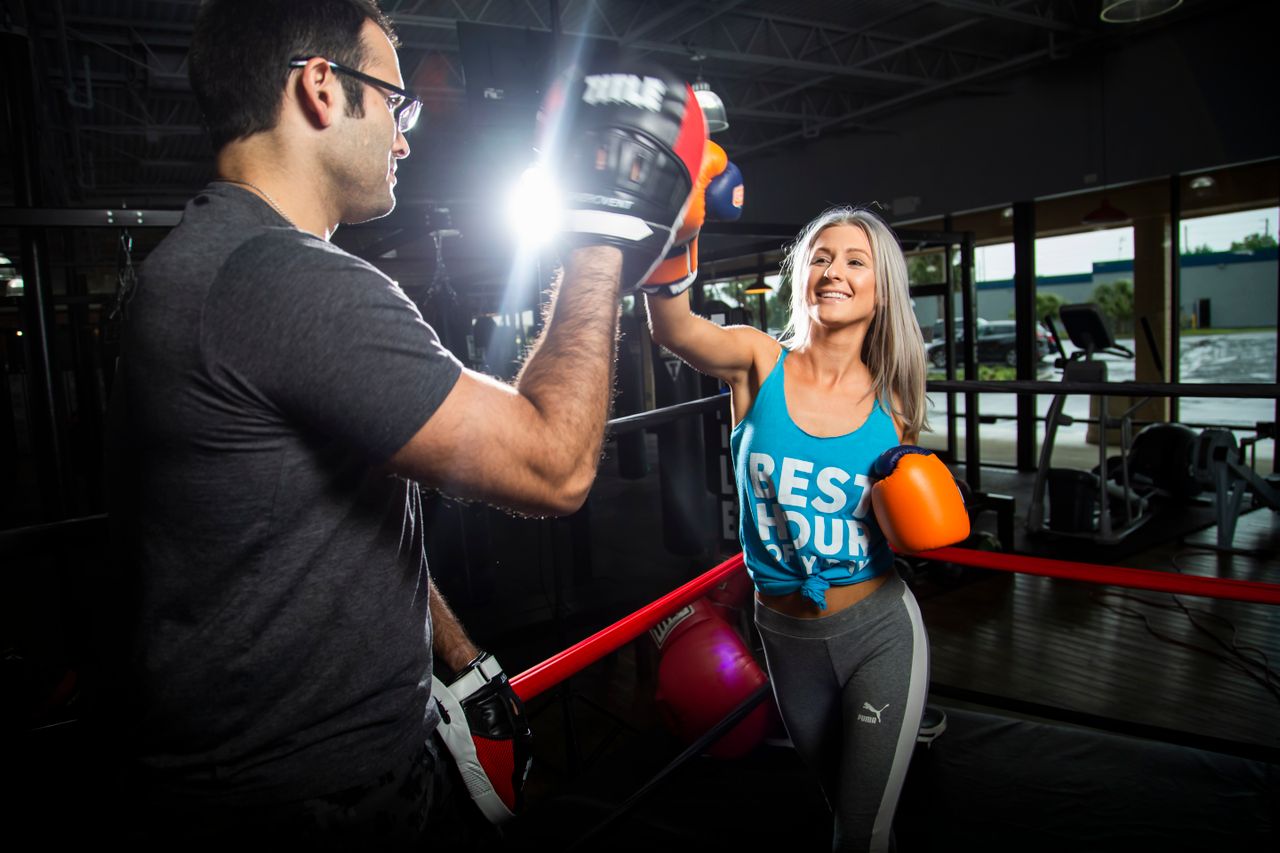
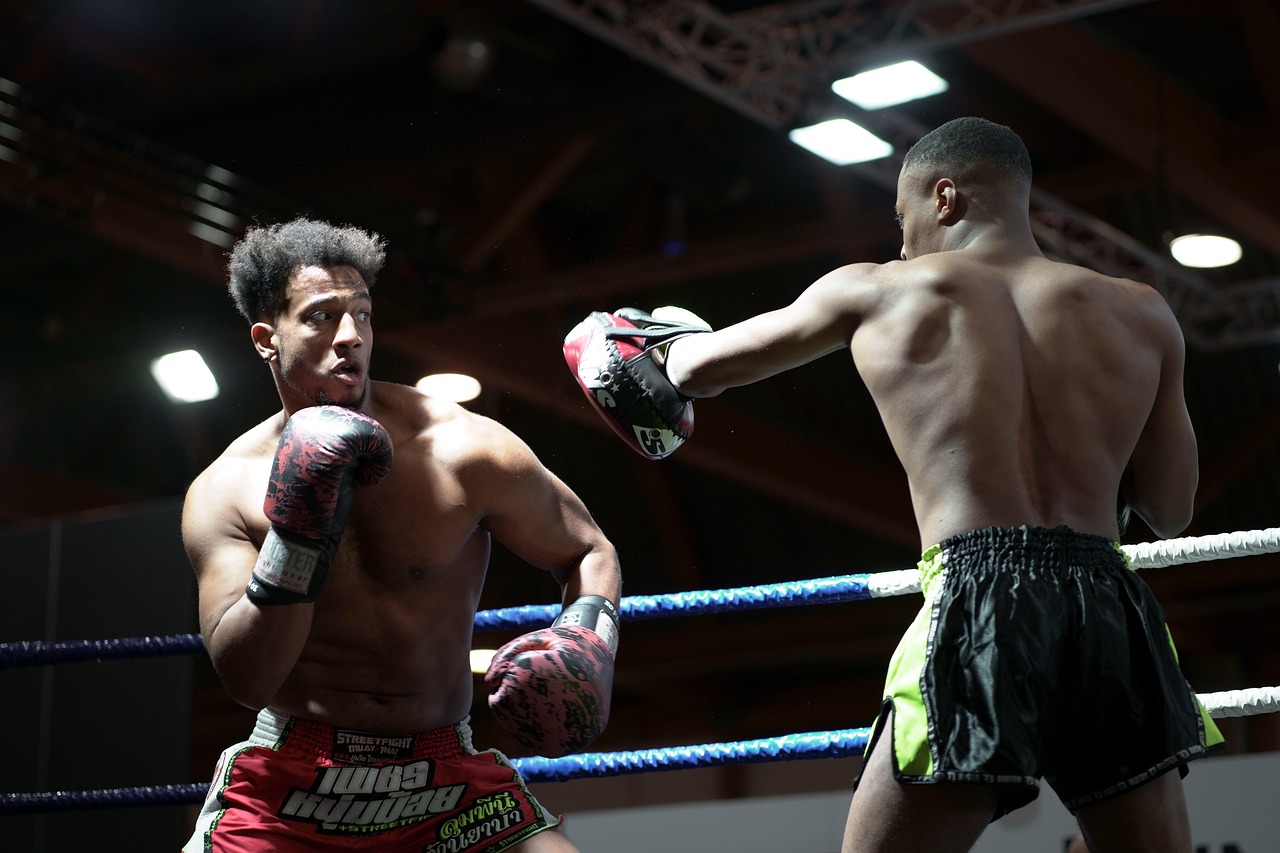
Inside El Salvador, MMA has developed more modestly, with athletes often coming through boxing, kickboxing, Brazilian jiu-jitsu, karate, taekwondo, or general fitness-based combat training before moving toward full MMA. The country’s combat-sports culture is real, but it is fragmented. Boxing and striking traditions are easier to find than a deep network of fully integrated MMA teams. For many athletes, the route into MMA begins with one discipline, then expands only when they gain access to coaches, sparring partners, and regional competition that can test grappling, cage wrestling, and striking together.
San Salvador is the natural center of gravity. In smaller MMA countries, the capital city often becomes the only realistic place where enough athletes, coaches, and fight fans overlap to create a scene. That pattern fits El Salvador. Gyms that offer jiu-jitsu, boxing, Muay Thai-style striking, wrestling concepts, and general self-defense have helped create a base from which MMA can grow, but the sport still depends on a limited competitive calendar. Fighters need regular amateur bouts, safe matchmaking, experienced officials, and enough neighboring-country access to avoid stagnation.
Central America is important to the Salvadoran MMA story because no small national scene grows in isolation. Salvadoran fighters benefit when they can test themselves against athletes from Guatemala, Honduras, Nicaragua, Costa Rica, Panama, Mexico, and the United States. Regional fight nights matter more here than major global promotions. A Salvadoran prospect does not need a UFC event in San Salvador to develop, but he or she does need repeatable opportunities: amateur tournaments, grappling competitions, striking bouts, and professional shows within travel distance.
The Salvadoran diaspora also gives the country a wider MMA identity than its domestic infrastructure alone might suggest. Fighters with Salvadoran roots may train in the United States, Canada, or other larger MMA markets while still carrying the national flag as part of their identity. That matters for a country where opportunity often depends on movement. The story of Salvadoran MMA is not simply what happens inside national borders; it also includes athletes who build their careers abroad while keeping cultural ties to El Salvador.
The next step for MMA in El Salvador is depth. One notable fighter can put a flag on the map, but a scene becomes sustainable when young athletes can see a path from local training to amateur competition, then to regional professional fights, then to larger promotions. El Salvador has the ingredients for a compact but meaningful MMA culture: a young population, a strong sports appetite, exposure to international fight media, and access to regional opponents. Its challenge is turning scattered interest into a reliable development system.