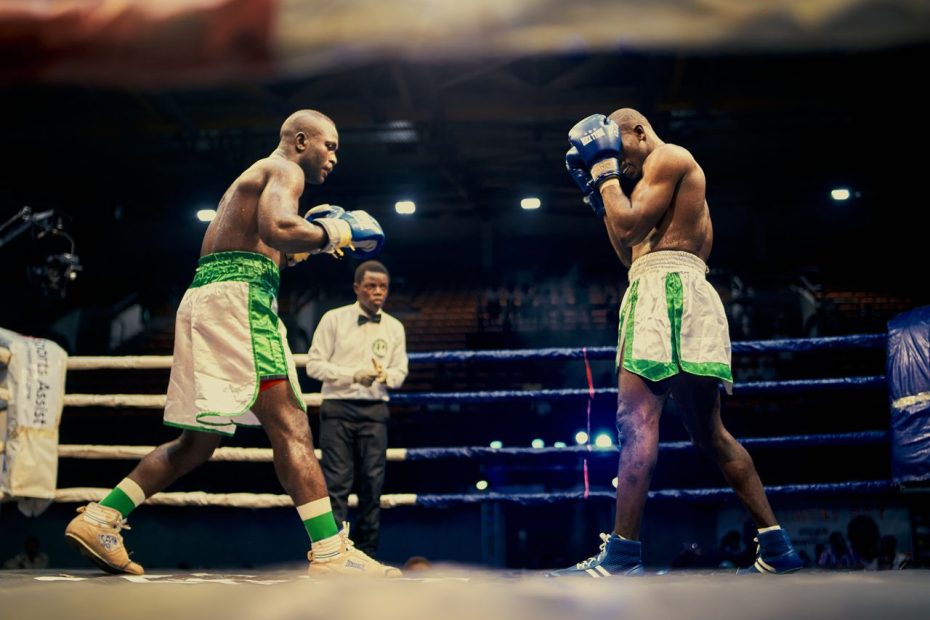
The rise of catchweights matters because combat sports are built around divisions, but some of the biggest fights happen in the space between them. A catchweight is a negotiated weight limit that does not fit neatly into a standard division, often used when fighters from different weight classes meet or when a major matchup needs a compromise. In boxing, MMA, and other fight sports, catchweights have created opportunities for legacy fights, crossover bouts, and short-notice matchups. They have also raised hard questions about fairness, leverage, and whether the scale can become as strategic as the fight itself. That tension is what makes catchweights more than a technical detail.
Why Weight Classes Needed a Middle Ground
Weight classes exist to make combat sports safer and more competitive. A lightweight should not be forced into the same physical terms as a middleweight, and a heavyweight should not be treated as if size is just background information. Divisions give fighters structure. They also give titles, rankings, and matchmaking a sense of order.
But fighters do not always fit neatly into that order. Some outgrow one division but are not ready for the next. Some champions want to chase historic matchups without fully changing weight classes. Some major fights become possible only if both sides agree to meet somewhere between their usual limits.
That is where catchweights became useful. Instead of requiring one fighter to move completely up or down, a negotiated limit can reduce the gap. In theory, it allows the fight to happen without forcing either athlete to accept the full disadvantage of entering the other fighter’s division.
The problem is that catchweights are rarely just neutral compromises. They are negotiated by fighters, managers, promoters, sanctioning bodies, and broadcasters. That means money, star power, timing, and leverage often shape the number on the contract.
The Rise of Catchweights Turned the Scale Into Strategy
The rise of catchweights became especially visible in boxing, where major fights often depend on matching stars from different divisions. A catchweight can help create a blockbuster bout, but it can also become part of the competitive battle before the opening bell.
A fighter moving up may want the limit low enough to slow the naturally bigger opponent. A fighter moving down may agree because the payday or legacy opportunity is too important to pass up. The final number can reveal who had more leverage and who accepted more physical risk.
In MMA, catchweights often appear in different circumstances. Some are planned for special matchups, but others happen when a fighter misses weight and the opponent agrees to continue under revised terms. In those cases, the catchweight is not a creative solution so much as damage control. The fight survives, but the miss can affect purse penalties, rankings, public trust, and the competitive conditions of the bout.
That distinction matters. A planned catchweight can be a legitimate bridge between divisions. A late catchweight after a failed weight cut can feel like an uneven bargain. Both use the same word, but they carry very different meanings.
What Catchweights Changed About Fight Promotion
Catchweights changed how combat sports think about special events. They made it easier to sell fights that did not fit the normal ladder: champion versus champion, veteran versus rising star, boxer versus MMA fighter, or two names too valuable to leave separated by a few pounds.
That flexibility helped promoters make bigger fights. It also made fans more aware of the politics behind weight. A bout is no longer judged only by who wins. It is judged by who moved up, who moved down, who drained themselves, who looked strong, and whether the agreed number gave one side an edge.
For fighters, catchweights can open doors. They can create legacy moments without requiring a permanent move to a new division. But they can also distort the competitive picture. A victory at a negotiated weight may not prove the same thing as a victory inside a standard division. A title fight at a catchweight can become especially complicated, because championships are supposed to represent clarity.
That is why catchweights sit in a strange place. They can solve matchmaking problems, but they can also create new arguments about legitimacy.
Catchweights remain part of combat sports because they reflect the reality of fighting. Divisions matter, but so do opportunity, timing, money, and ambition. The rise of catchweights showed that the fight often begins before the first exchange. Sometimes, the most important battle is deciding what number both fighters must reach before they ever face each other.