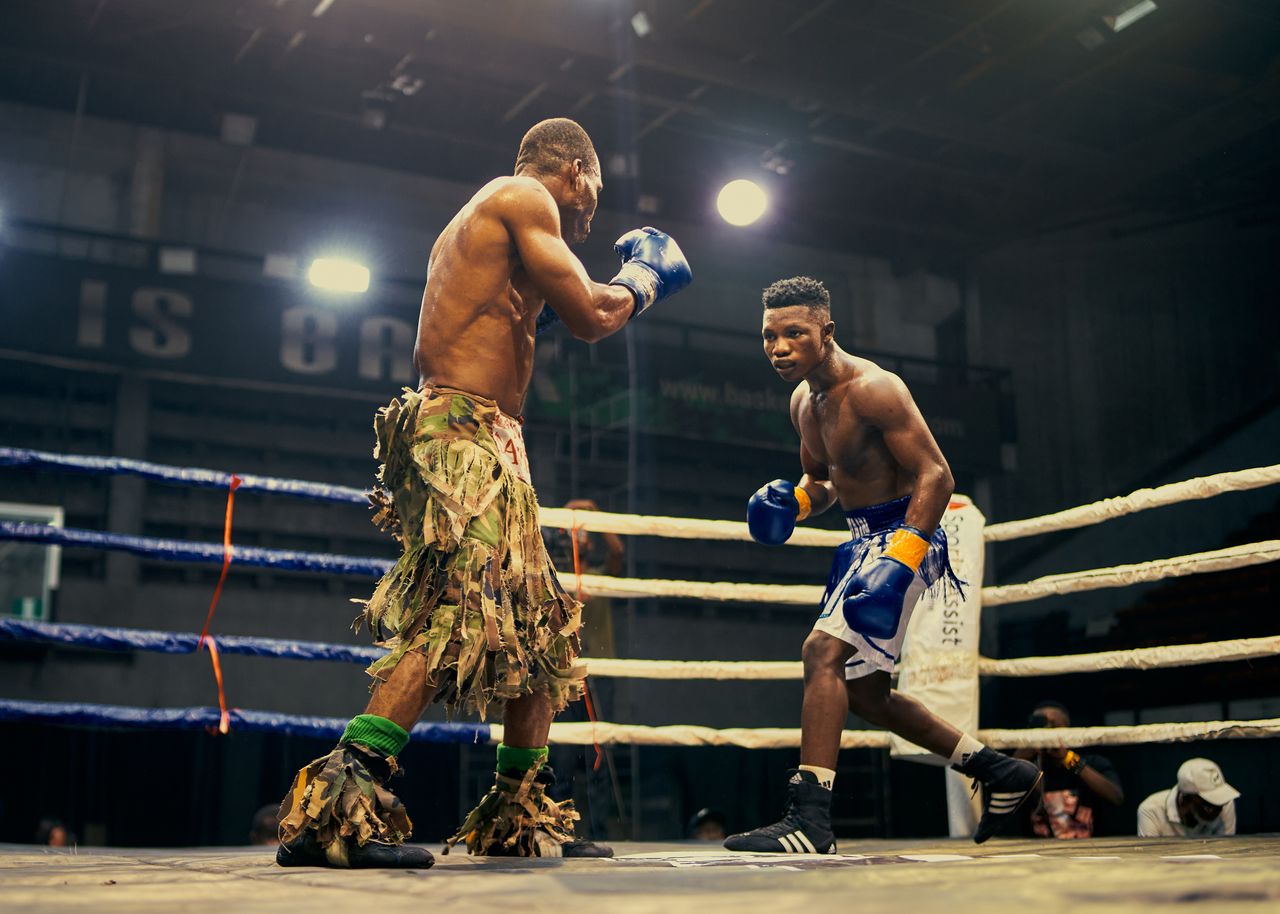
Chad’s boxing scene belongs to the category of African boxing cultures that are real, active, and often underdocumented. The country does not have the global boxing profile of Nigeria, Ghana, South Africa, Morocco, or Algeria, but boxing in Chad has a place within the country’s broader sporting life. It is a sport of clubs, amateur competition, regional ambition, and fighters trying to create opportunity in a country where resources and visibility are major obstacles.
The center of boxing in Chad is less about professional spectacle and more about grassroots development. N’Djamena, as the capital and largest city, is the natural focal point for organized sport, including boxing. Training environments are often modest, but boxing has never required luxury to produce serious fighters. It requires coaches who understand fundamentals, athletes who can commit to conditioning, and enough competition to sharpen timing and ring intelligence. In Chad, those elements exist unevenly, which is why the sport’s progress can depend heavily on individual clubs and committed organizers.
Chad’s boxing identity is closely tied to amateur boxing and regional competition. For Chadian fighters, the most realistic route to recognition usually runs through national tournaments, African championships, military or police-linked sport programs where available, and Olympic qualification pathways. These platforms give boxers a chance to measure themselves against opponents from stronger boxing countries in North, West, and Central Africa. The gap can be significant, but that is also where development happens. Regular exposure to better opposition is essential for any country trying to improve its boxing level.
Unlike major boxing nations, Chad does not have a large professional fight economy. There are no major global fight nights centered on Chadian venues, and the country has not produced a broad list of internationally famous professional champions. That means the sport’s local value is different. Boxing in Chad functions as a discipline-building sport and a competitive outlet rather than a major entertainment industry. It can attract young athletes who want a direct test, a demanding training environment, and a possible route into national representation.
The search for famous boxers from Chad often reveals the larger issue: Chadian boxing has not been widely recorded or promoted internationally. The fighters who matter most to the country’s boxing culture may not be known to casual global fans. They may be national champions, regional representatives, or athletes who competed in African tournaments without receiving major media attention. For a developing boxing nation, that matters. Visibility is part of infrastructure. When fighters are not documented, the next generation has fewer reference points.
Boxing gyms and clubs in Chad carry much of the responsibility for keeping the sport alive. They are where technique is taught, where young athletes learn how to train, and where the sport maintains continuity between official competitions. A stronger national boxing scene would require more reliable equipment, coaching support, youth programs, and competition calendars. It would also benefit from stronger ties to regional boxing networks, especially across Central and North Africa, where Chadian fighters could gain more frequent competitive experience.
Chad also has an opportunity to grow through women’s boxing. In many developing boxing countries, women’s participation starts slowly but can become a meaningful part of international representation because the competitive field is still expanding. With the right support, female boxers from smaller nations can reach continental events and Olympic qualifiers faster than expected, especially if federations invest in them seriously from the beginning.
Boxing in Chad is not a finished story. It is a scene still trying to build the structure that turns athletic toughness into sustained competitive success. The country’s future in boxing will depend less on sudden professional breakthroughs and more on the steady work of clubs, coaches, and national programs. If those foundations improve, Chad could become a more visible participant in African amateur boxing and a stronger source of fighters for regional competition.