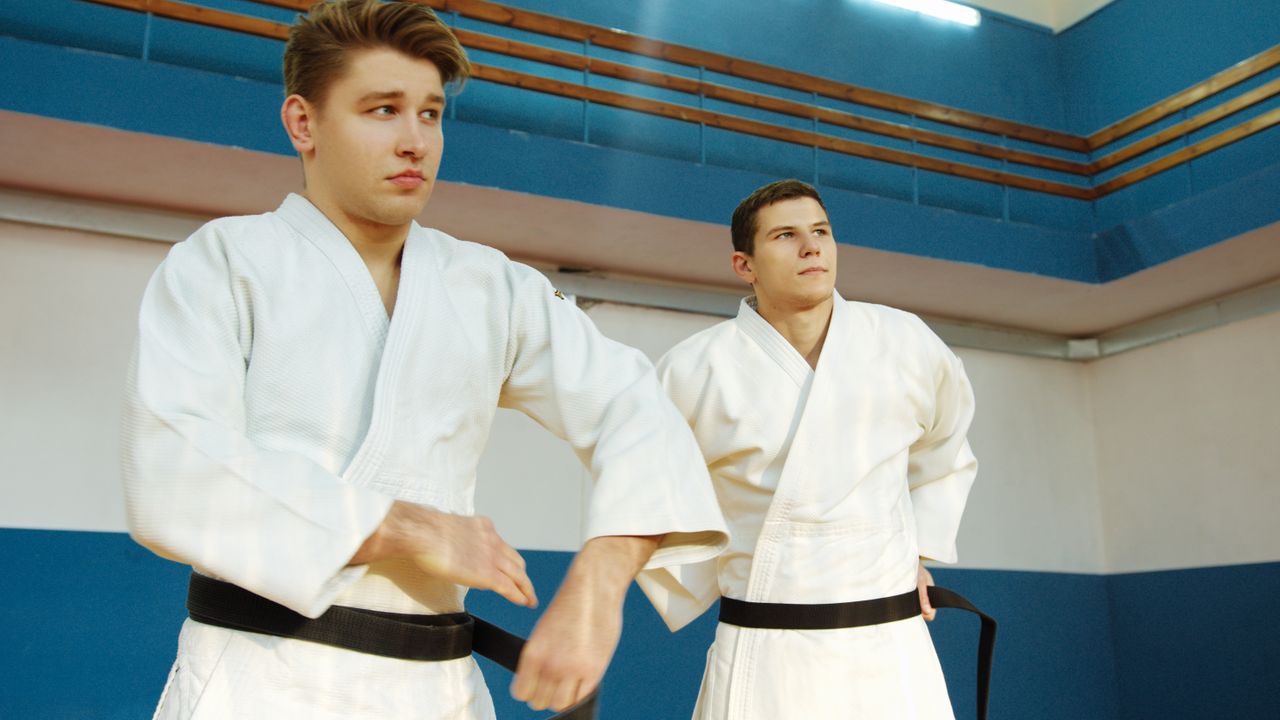
Oakland’s MMA identity is not built around a single superstar factory or a steady schedule of national fight cards. It is better understood as part of the wider Bay Area combat-sports ecosystem: a tough, gym-driven scene with boxing, kickboxing, Brazilian jiu-jitsu, and MMA training spread across Oakland, Berkeley, Emeryville, San Francisco, San Jose, and the surrounding East Bay. Oakland itself has enough martial arts infrastructure to sustain serious local training, but its higher-level MMA identity usually connects outward to the Bay Area’s larger fight network rather than staying inside the city limits.
That makes Oakland different from a place like Las Vegas, Coconut Creek, Albuquerque, or San Jose. It is not primarily known as a destination where fighters relocate for famous super-camps. Instead, it has the feel of a practical training city: neighborhood gyms, striking rooms, grappling academies, fitness-oriented MMA programs, and athletes who can access bigger regional resources when they need more advanced professional preparation. Oakland MMA, also listed as Oakland Karate and Kickboxing, has roots going back to 1991, while Pacific Ring Sports in Temescal offers Muay Thai, boxing, MMA, Brazilian jiu-jitsu, strength and conditioning, and youth Muay Thai in a facility near MacArthur BART.
Oakland’s combat-sports base leans naturally toward striking. The city has long had boxing credibility, and the East Bay’s training culture often values toughness, conditioning, and sparring literacy before polished promotional identity. That matters for MMA because Oakland athletes are more likely to enter the sport through boxing, kickboxing, Muay Thai, or jiu-jitsu than through a single dominant MMA institution. The local scene is not about one famous pipeline. It is about layered access: a fighter can start in a neighborhood striking gym, add grappling nearby, test themselves on amateur cards, then look toward San Jose, Sacramento, Southern California, or Las Vegas for the next step.
The Bay Area connection is the major reason Oakland cannot be judged only by gyms physically inside Oakland. American Kickboxing Academy in San Jose has been one of the most important MMA teams in the world, with a roster history connected to elite UFC, Strikeforce, Bellator, and international fighters. Its presence gives the broader region a professional standard that influences how serious fighters in Northern California think about wrestling, kickboxing, cage control, and camp structure. AKA’s own materials describe it as a full-service MMA gym in San Jose, while Tapology lists the gym as founded in 1985 with Javier Mendez and Bob Cook among its key coaching figures.
Oakland has also had moments as an MMA event city. Oracle Arena hosted IFL 7 in January 2007, and UFC 117 brought Anderson Silva vs. Chael Sonnen to Oakland in August 2010. That UFC event remains one of the most memorable title fights of its era, even if it did not turn Oakland into a regular UFC stop. The city’s event identity has been occasional rather than continuous: major promotions can use Oakland when the arena, market, and fight card align, but the Bay Area’s MMA business is spread across multiple cities rather than concentrated in one downtown fight district.
The most accurate read on Oakland MMA is that it is a serious local training market within a much larger Northern California fight region. It has enough gyms to serve beginners, hobbyists, amateurs, and developing fighters. It has proximity to elite regional coaching. It has a combat-sports culture that fits MMA’s demands. What it does not have is a singular Oakland-branded MMA dynasty. Its future depends less on becoming a standalone fight capital and more on continuing to feed athletes into the Bay Area’s broader web of striking coaches, grappling rooms, regional promotions, and professional camps.