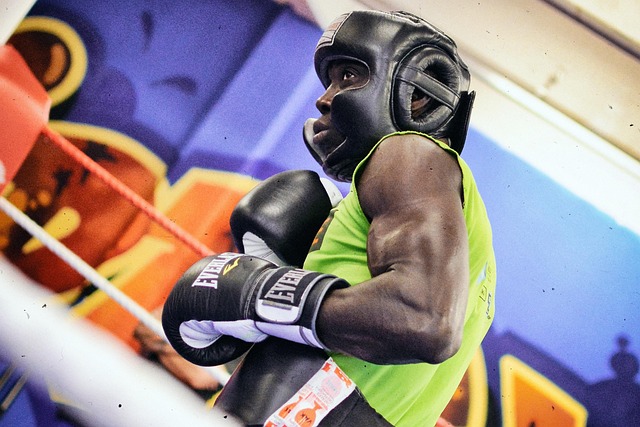
Seattle’s MMA identity is built around the Pacific Northwest’s technical fight culture. It is not as loud as Las Vegas, Los Angeles, or South Florida, but it has produced serious fighters, respected gyms, and a fan base that can support major events when the UFC comes back to town. Seattle is a regional fight capital rather than a constant national spotlight market, and that distinction explains the shape of the scene.
The city’s modern UFC relevance returned sharply when UFC Fight Night: Cejudo vs. Song came to Climate Pledge Arena on February 22, 2025, marking the promotion’s first Seattle event since 2013. The event put Seattle back on the UFC map after a long absence and reminded the national audience that the market still had appetite for high-level MMA.
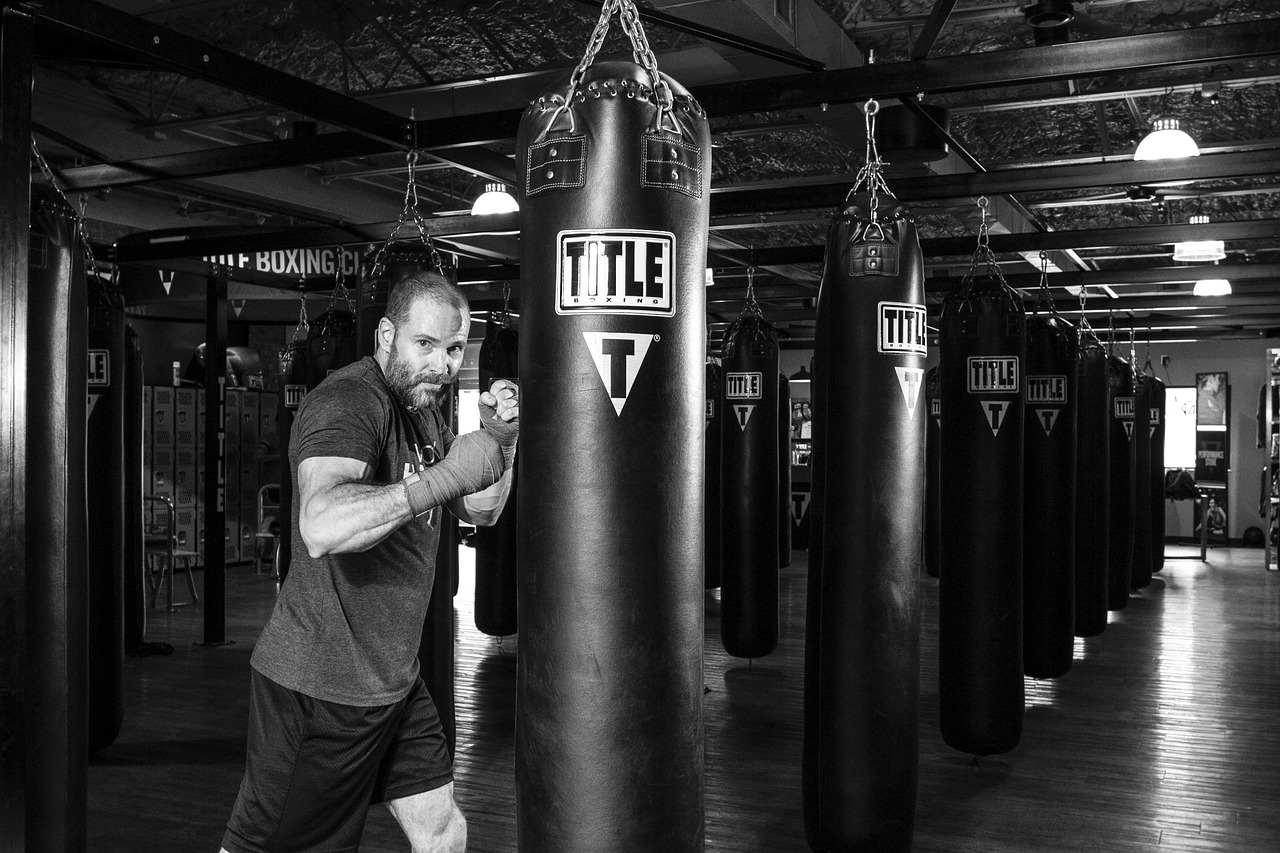
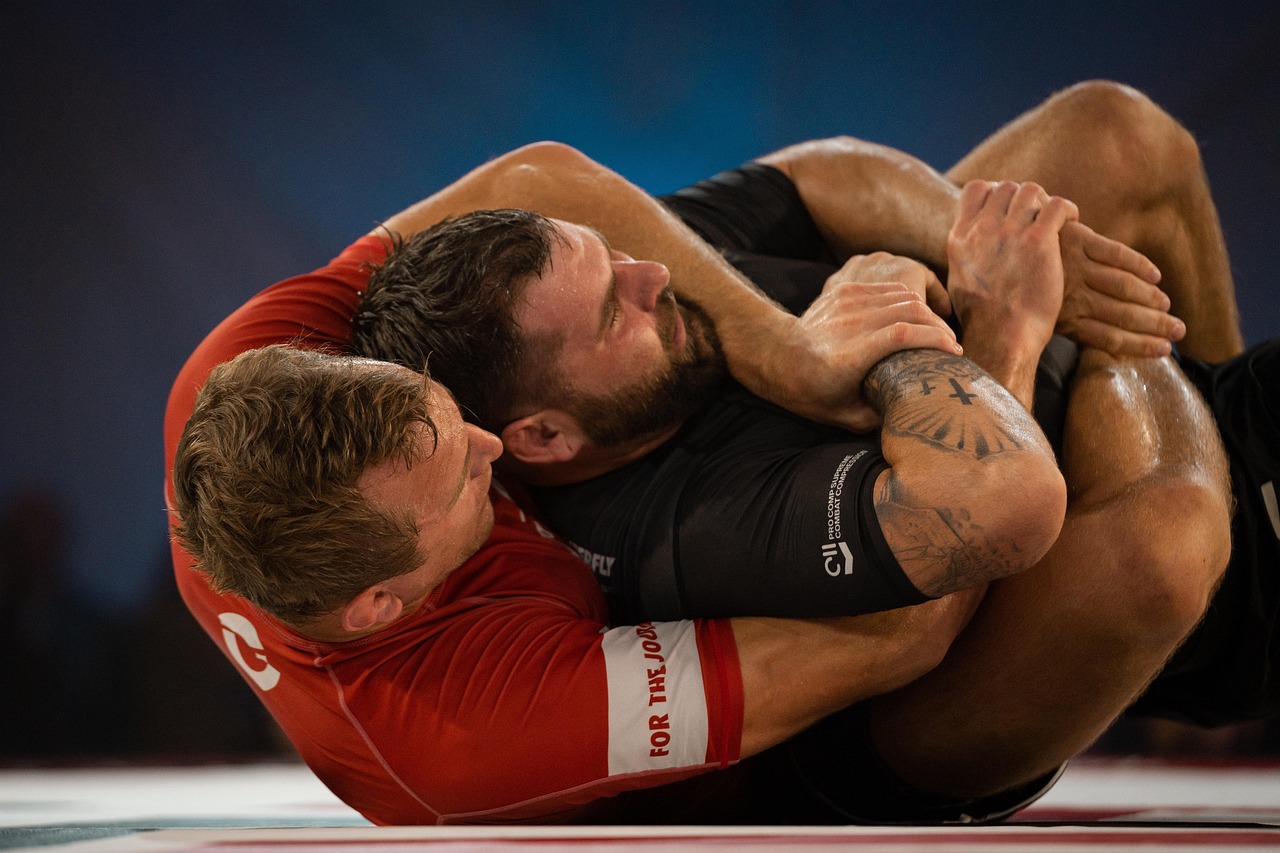
Seattle’s local scene, however, is not only about big events. It is about gyms. Mat Chess MMA states that it has trained Pacific Northwest combat athletes since 2011 and offers instruction across jiu-jitsu, Muay Thai, boxing, wrestling, and MMA. That combination reflects the city’s practical approach to fighter development: technical, cross-disciplinary, and built around steady training rather than hype.
Ivan Salaverry MMA adds another important layer. Led by UFC and combat-sports veteran Ivan Salaverry, the gym describes itself as a Pacific Northwest mixed martial arts training center and competition team based in Seattle. Salaverry’s presence matters because veteran-led rooms often carry institutional knowledge that younger scenes lack. They understand pacing, opponent preparation, fight IQ, and the difference between being good in class and being ready to compete.
The wider Seattle-area ecosystem also includes AMC Pankration in Kirkland, one of the most historically important MMA gyms in Washington. AMC is associated with Matt Hume and is widely known for its connection to Demetrious Johnson, one of the greatest flyweights in MMA history. Even though Kirkland is outside Seattle proper, it belongs to the same regional fight map and has helped define how outsiders understand MMA in western Washington.
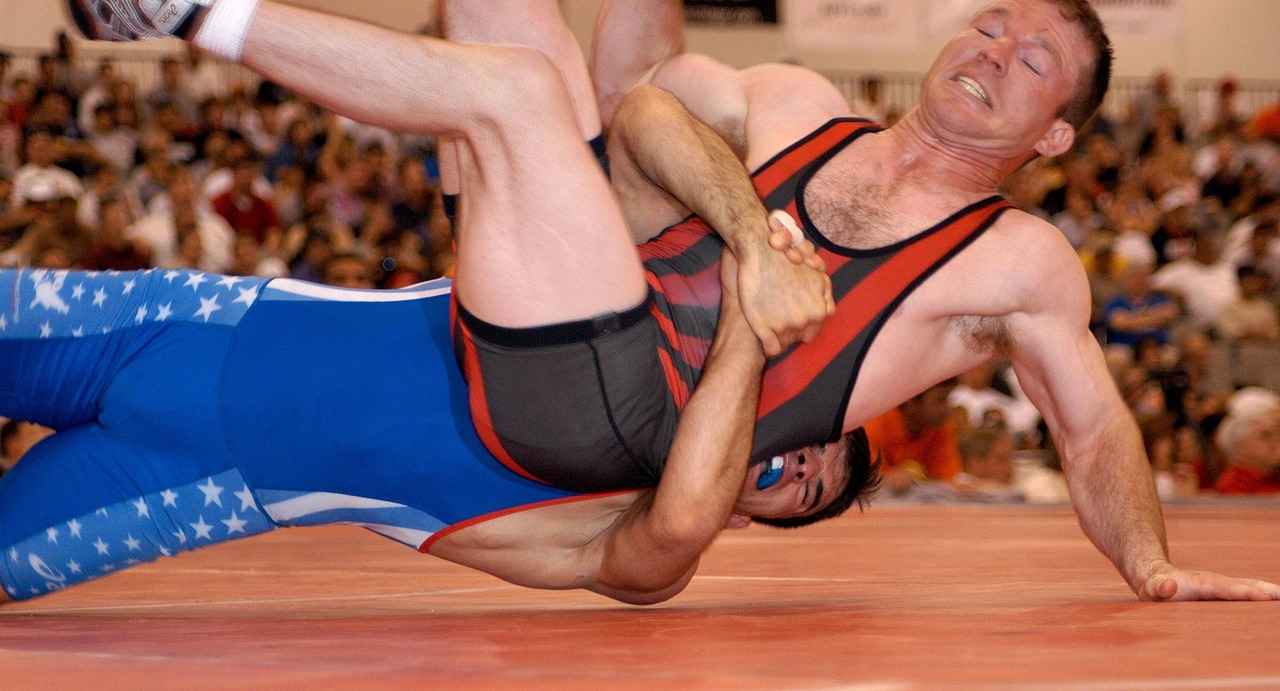
Seattle’s strongest combat-sports traits are technical discipline and regional toughness. The area has wrestling, boxing, jiu-jitsu, kickboxing, and pankration influences, but no single discipline fully owns the scene. Instead, Seattle MMA has usually been defined by well-roundedness. Fighters from the area often have to travel for larger opportunities, but they can build strong foundations locally before testing themselves on Pacific Northwest, West Coast, or national cards.
The city’s event identity has also grown again. UFC returned to Climate Pledge Arena in March 2026 with a card headlined by Israel Adesanya vs. Joe Pyfer, and Michael Chiesa’s retirement fight gave the event a Washington connection. Chiesa, from Spokane, finished his UFC career with a first-round submission win over Niko Price, which gave the night a regional farewell storyline as well as a national main-event hook.
Seattle’s future as an MMA market depends on how well it connects three pieces: local gyms, regional fighters, and major-event demand. The gym culture is already credible. The Pacific Northwest circuit gives fighters places to develop. The UFC’s return shows that the city can still matter as an event market. Seattle is unlikely to become a full-time fight capital, but it does not need to be one. Its MMA identity is regional, technical, and durable.