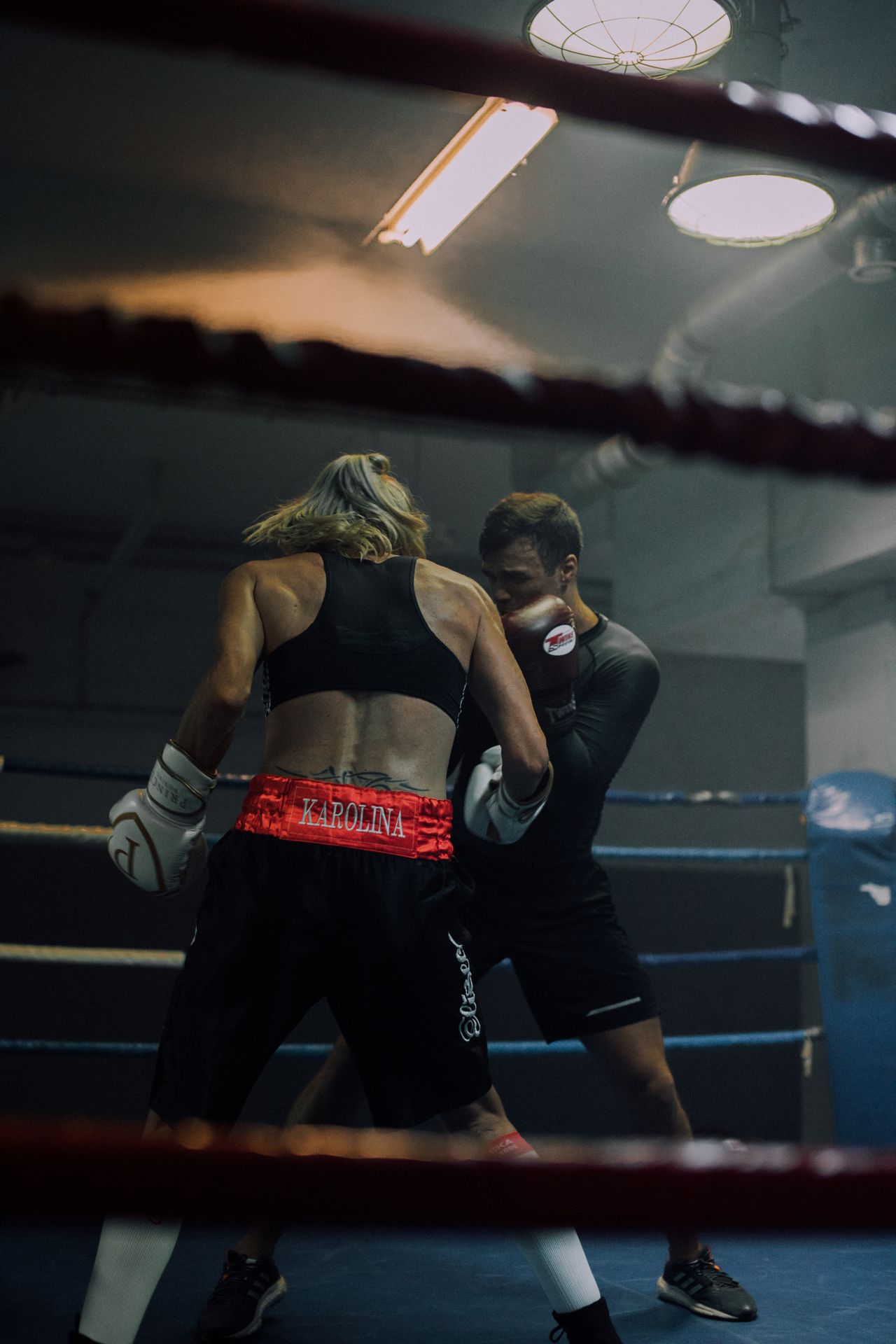
Sofia’s boxing identity is built around the amateur ring. The Bulgarian capital is not known internationally as a Las Vegas-style prizefight market or a city defined by weekly professional cards. Its importance comes from tournament boxing, national-team development, and its place inside the European amateur calendar. For fighters from Bulgaria and abroad, Sofia has often mattered because it is where serious boxers test themselves before bigger continental, world, and Olympic stages.
The clearest symbol of that role is the Strandja Memorial Tournament, one of Europe’s most established international amateur boxing events. The tournament dates back to 1950 and has repeatedly brought elite boxers to Bulgaria, with Sofia serving as a major host city for the competition. Recent editions have continued to attract international teams, giving the city a tournament identity that is much stronger than its professional-boxing profile. The 73rd edition in Sofia featured 368 male and female boxers, and the 2026 edition was again staged in Sofia as the 77th International Strandja Boxing Tournament.
That tournament culture shapes how boxing in Sofia should be understood. The city is a capital of preparation, selection, and technical testing. Boxers come through Sofia not only to entertain crowds, but to prove readiness against varied styles: post-Soviet technicians, Balkan pressure fighters, Central Asian amateurs, Irish and British teams, Indian prospects, and boxers from across the wider European system. That makes Sofia a serious boxing city even when it is not always a headline professional destination.
Bulgaria’s best-known modern boxing names also help give Sofia a heavier profile than its size might suggest. Kubrat Pulev brought Bulgarian boxing into the global heavyweight conversation, while his brother Tervel Pulev carried Olympic and professional credibility. Fighters such as Daniel Petrov, Serafim Todorov, Boris Georgiev, Stanimira Petrova, and others represent the deeper Bulgarian amateur tradition, even when their personal stories are not limited to Sofia alone. In this sense, Sofia functions as the national boxing center more than simply a hometown boxing scene.
The city’s gyms and clubs are best viewed through that national-development lens. Sofia boxing is less about boutique fitness branding and more about clubs, coaches, federation activity, youth programs, sparring rooms, and tournament preparation. Amateur boxing remains the backbone. Fighters are measured through domestic competition, international invitationals, and the pathway from youth categories into elite national-team consideration.
Professional boxing has a place in Sofia, but it does not define the city the way amateur boxing does. Bulgarian professionals often have to connect outward, working through Germany, the United Kingdom, the broader European market, or international promoters to build visibility. That creates a split identity: Sofia develops and stages boxing talent, but many of the biggest professional opportunities still require movement beyond Bulgaria.
The future of boxing in Sofia depends on whether the city can keep turning tournament credibility into broader visibility. The foundation is already there: a capital-city training base, a respected amateur event, recognizable Bulgarian fighters, and a regional position that connects the Balkans to the rest of Europe. Sofia’s boxing scene is not built on spectacle. It is built on discipline, tournament pressure, and the long amateur road that turns promising fighters into international competitors.