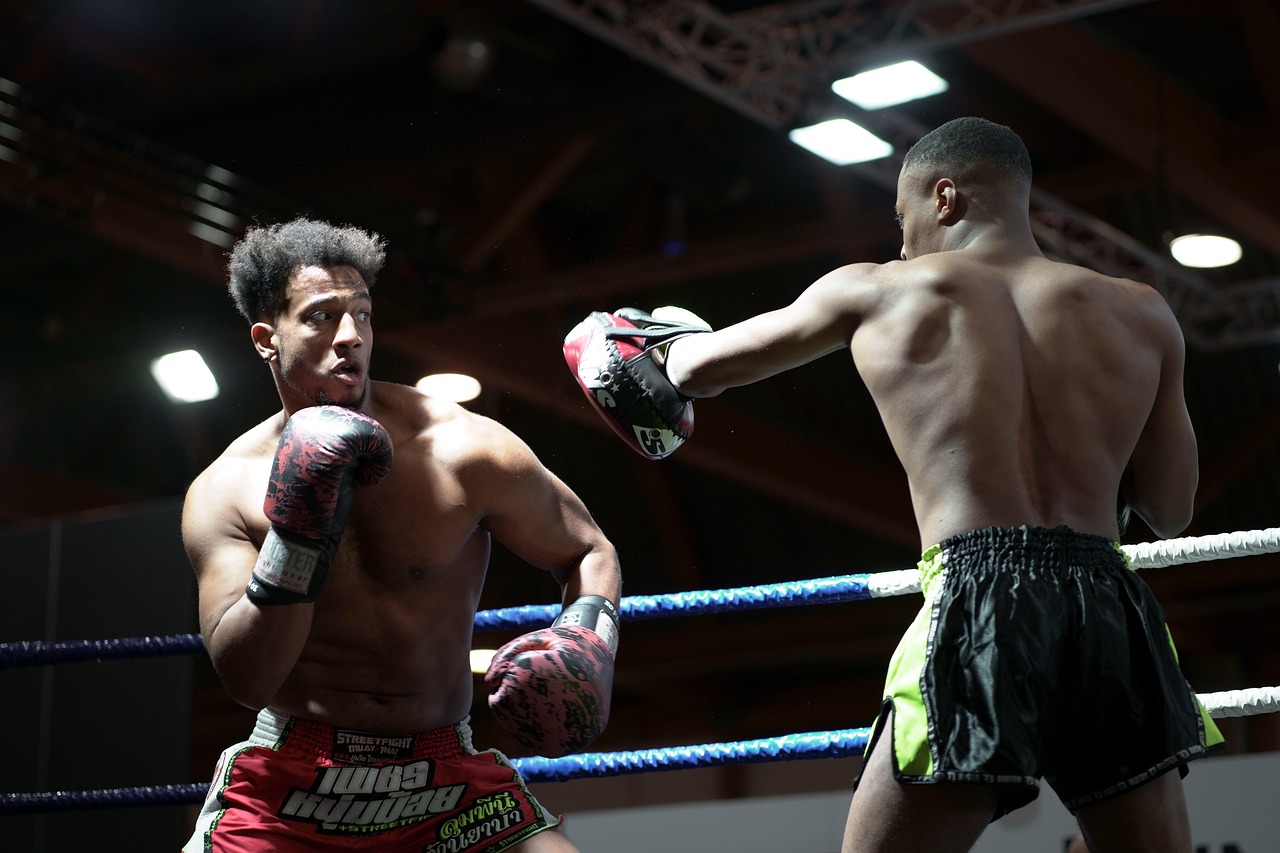
Suriname’s MMA identity is unusually clear for a small country: it is a striking-first nation whose global visibility has been shaped by Jairzinho Rozenstruik. “Bigi Boy” gave Suriname a place in the UFC heavyweight conversation and became the country’s most important MMA reference point. His rise also showed the most obvious pathway for Surinamese fighters: kickboxing first, MMA second.
That makes sense given Suriname’s sporting and cultural links. The country has deep connections to the Netherlands, and Dutch kickboxing has long been one of the world’s most respected striking systems. Surinamese and Surinamese-Dutch fighters have been part of that broader combat-sports world for years, especially in kickboxing. MMA in Suriname therefore does not feel like a wrestling-based project or a Brazilian jiu-jitsu movement. It feels like a country where the most exportable skill is dangerous stand-up fighting.
Rozenstruik’s career is the central chapter. Born in Paramaribo, he built a major kickboxing record before moving into MMA and reaching the UFC heavyweight division. His style was direct, patient, and power-based: measured pressure, heavy counters, and the ability to end fights quickly when opponents made mistakes. For Suriname, his importance goes beyond wins and losses. He proved that a fighter from a small South American country with a kickboxing base could reach the sport’s biggest platform and compete against elite heavyweights.
That kind of breakthrough matters because smaller MMA countries often need one visible name before the sport becomes easier to imagine locally. A young athlete in Paramaribo does not need to look only at American, Brazilian, Russian, or Nigerian examples. Rozenstruik made the pathway more concrete: train seriously, build a striking base, seek higher-level competition, and use international gyms or promotions when the local market is too small to provide everything.
The broader Surinamese MMA scene remains limited compared with the country’s kickboxing reputation. There are other Surinamese fighters and prospects, but the country is not yet producing deep waves of internationally ranked MMA athletes. The issue is not a lack of fighting talent. It is the difficulty of turning talent into complete MMA experience. Heavy hands and kickboxing timing can take a fighter far, but modern MMA also demands takedown defense, cage wrestling, submission awareness, scrambling, and round-by-round tactical discipline.
Suriname’s best future in MMA may come from accepting its striking identity rather than trying to copy larger markets. The country can produce dangerous fighters if its gyms combine kickboxing with modern grappling and cage-specific training. The most realistic model is not a massive domestic league. It is a compact development scene where the best athletes sharpen their base at home, then move through the Netherlands, the United States, Brazil, or regional promotions for higher-level preparation.
MMA in Suriname is still a small scene, but it has a real signature. It is not generic. It is not built around volume. It is built around knockout threat, kickboxing pedigree, and the example of a heavyweight who carried the Surinamese flag into the UFC. For a country of its size, that gives Suriname a stronger MMA identity than many larger nations with more gyms but fewer global breakthroughs.