MMA in Newfoundland and Labrador is defined less by volume than by distance, determination, and one clear breakthrough name. The province does not have the dense gym network, regular fight calendar, or deep amateur ladder found in Ontario, Quebec, Alberta, or British Columbia. Its MMA identity is instead built around athletes who have to leave home, connect with the broader Atlantic Canadian scene, and prove that a fighter from the island can reach the sport’s highest levels.
The central figure is Gavin Tucker. Born in Newfoundland and Labrador and raised in Ship Cove, Tucker became the province’s most recognizable MMA export, eventually competing in the UFC featherweight division after building his reputation in the Atlantic Canadian regional scene. His career matters because it gave Newfoundland and Labrador a direct point of reference in modern MMA. He was not simply a Canadian fighter with a provincial footnote. He carried a recognizable Newfoundland identity into the cage and showed how a fighter from a small, geographically isolated market could reach major international competition.
That matters because Newfoundland and Labrador is not an easy place to build an MMA career. The province has combat-sports interest, but the development pathway is fragmented. A young athlete can find pieces of MMA through Brazilian jiu-jitsu, boxing, kickboxing, wrestling, karate, judo, or fitness-based martial arts, but the full ecosystem is thinner than in larger Canadian markets. The challenge is not a lack of toughness or athletic ability. The challenge is repetition: getting enough rounds, enough sparring partners, enough coaching variety, and enough sanctioned competitive opportunities without leaving the province.
The province’s geography shapes the scene as much as any single gym or fighter. St. John’s is the natural centre for training, but the population is spread across a large and demanding landscape. Travel is a major cost. Fighters who want a steady competitive schedule often need to look toward Nova Scotia, New Brunswick, Quebec, Ontario, or farther west. That creates a different kind of development pattern. Newfoundland and Labrador athletes often have to be more self-directed, more willing to travel, and more selective about when they compete.
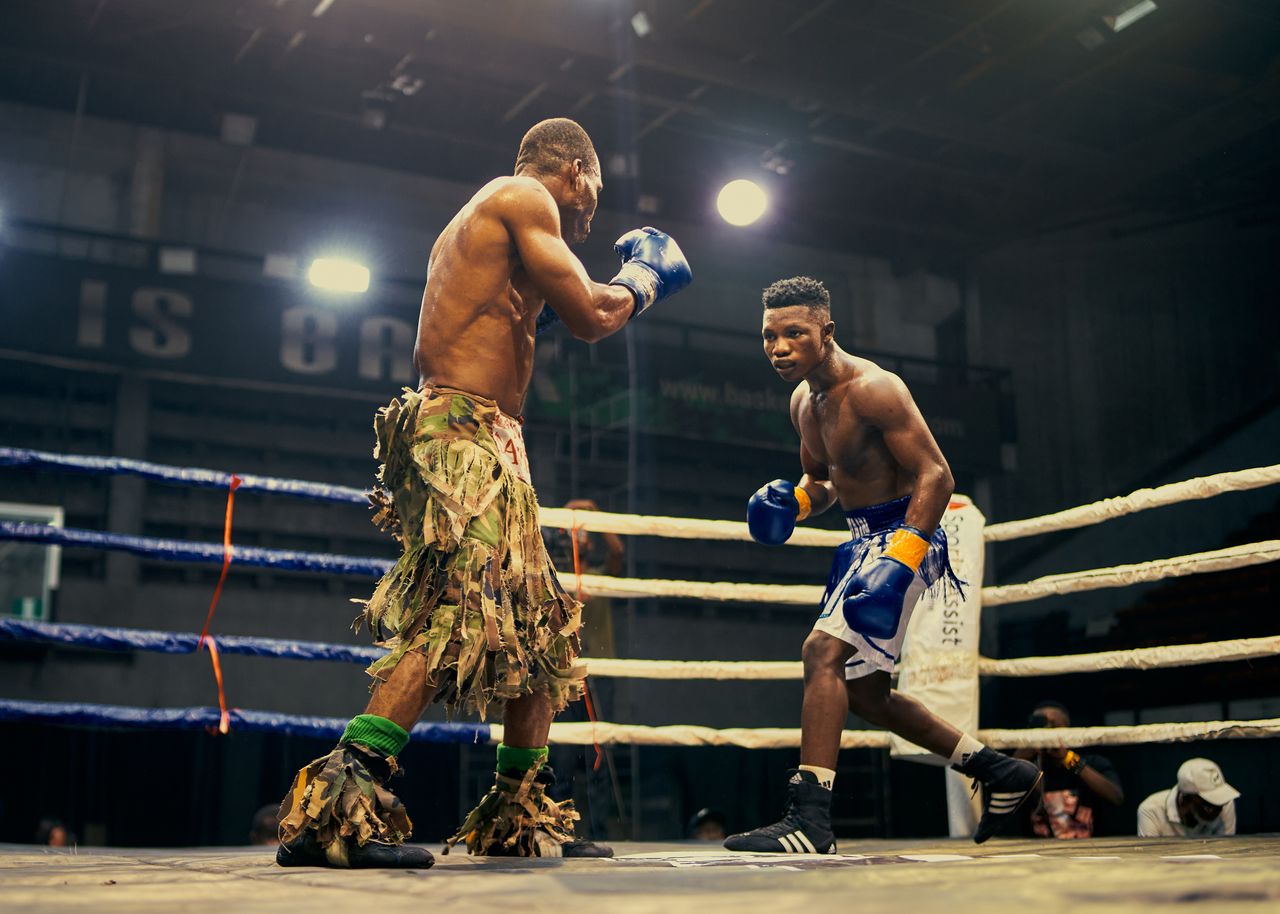
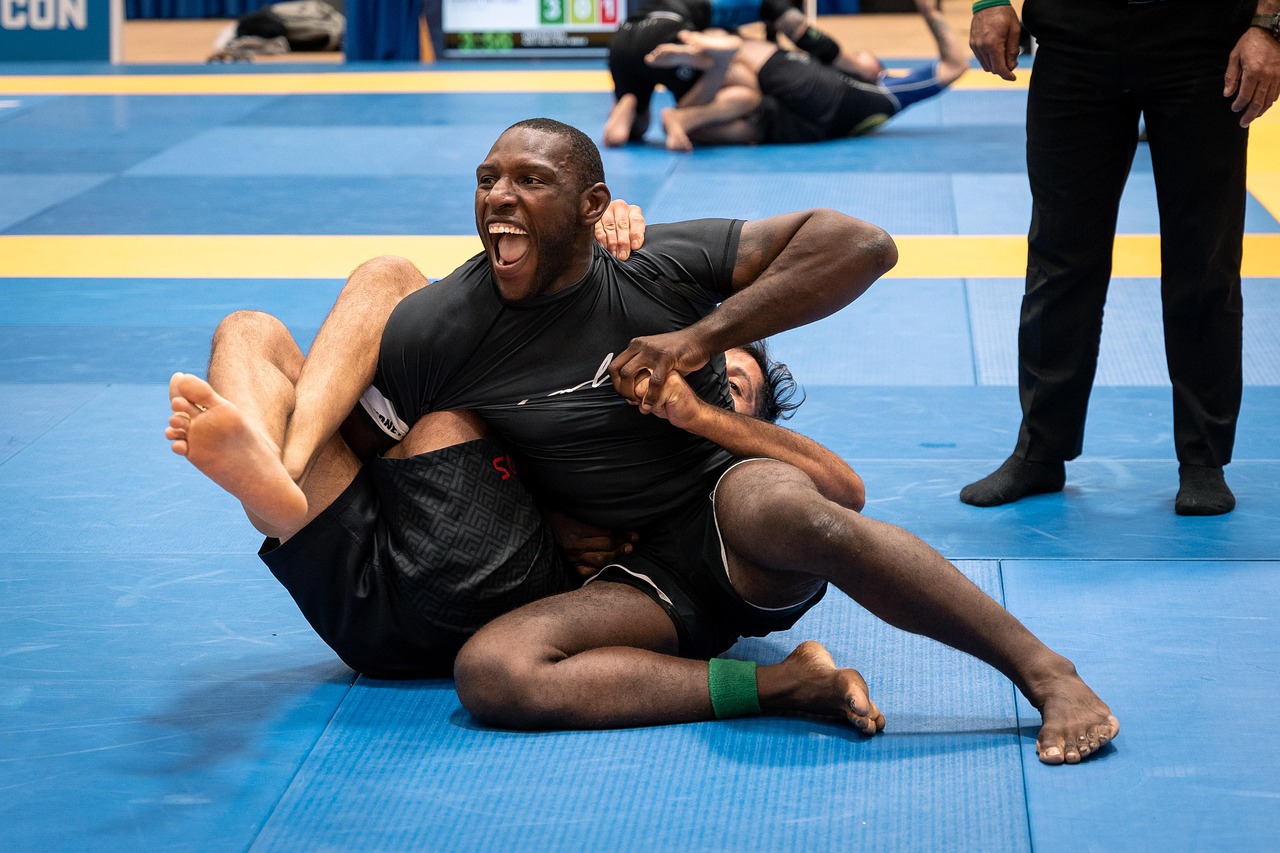
The combat-sports roots of the province are broader than MMA itself. Boxing has long been easier to understand as a local fight sport because it requires less infrastructure than full mixed martial arts competition. Traditional martial arts and grappling also provide important entry points. For MMA, the question is how often those disciplines can be combined under coaches who understand the full demands of cage fighting: striking into takedowns, wall work, positional grappling, submission defense, conditioning, and round management.
Newfoundland and Labrador’s MMA future will probably not look like a sudden explosion of major promotions or a deep roster of UFC prospects. A more realistic path is gradual growth through better grappling instruction, more striking programs, youth martial arts, cross-training between disciplines, and stronger connections to Atlantic Canadian fight cards. The province does not need to imitate Ontario or Quebec to have a meaningful MMA identity. Its identity is already distinct: small, remote, difficult, and carried forward by fighters who have to work through barriers that athletes in larger markets rarely face.
The result is a scene with limited scale but genuine character. Newfoundland and Labrador MMA is not a high-volume pipeline. It is a proving-ground story. Its best athletes must become exportable before they become visible. That makes every breakthrough more significant, because success from the province usually means an athlete has beaten not only opponents, but geography, travel, limited infrastructure, and the constant need to find higher-level training beyond home.