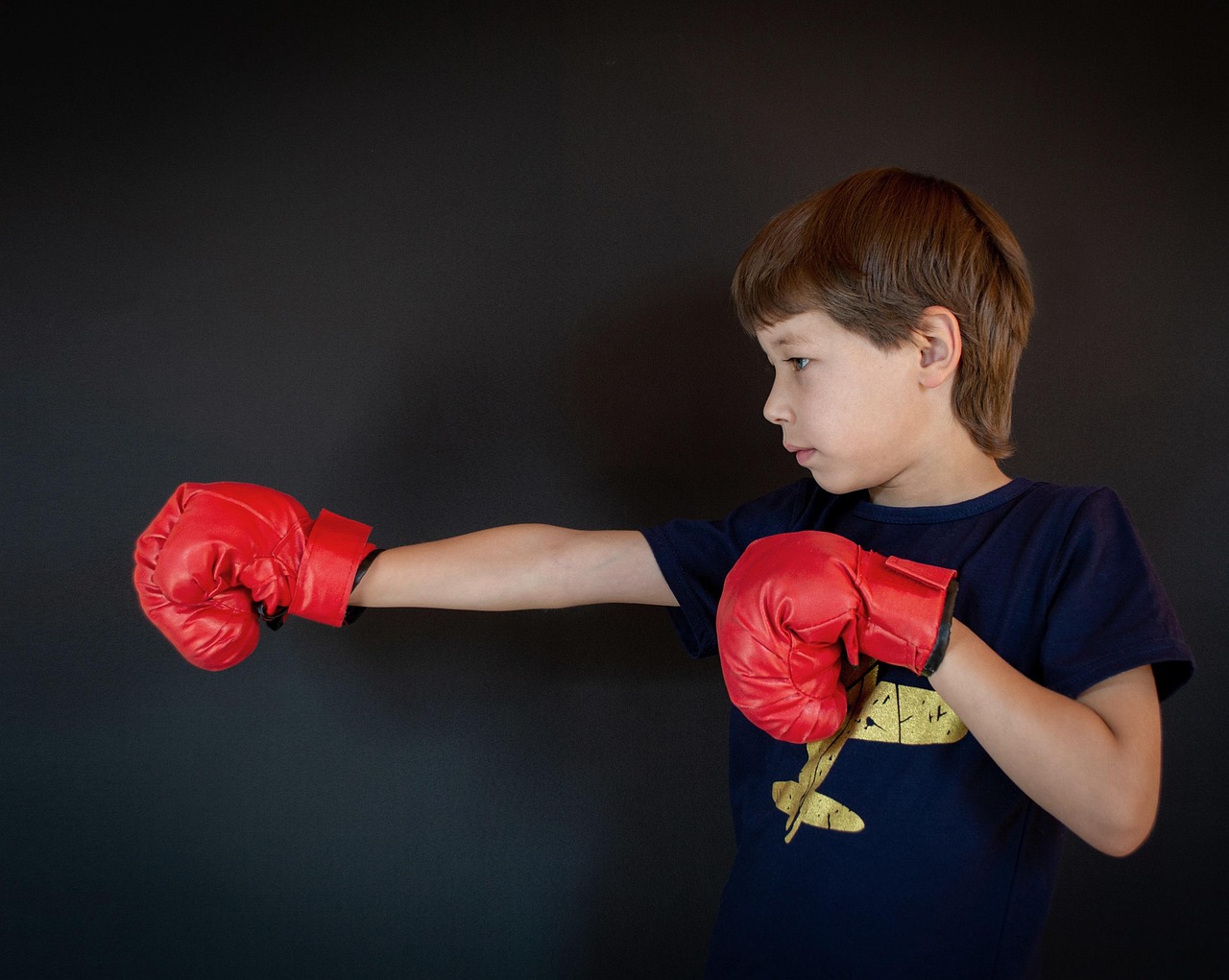
MMA in Sierra Leone is still a small, developing scene, but it sits inside a country with a clearer combat-sports base than its modern cage-fighting footprint might suggest. Boxing remains the most visible fighting sport, with a formal professional boxing structure and a stronger public identity than MMA. That matters because Sierra Leone’s MMA future is likely to grow first through athletes who already understand striking, conditioning, toughness, and one-on-one competition before adding wrestling, Brazilian jiu-jitsu, cage work, and submission defense.
The country does have an identifiable MMA presence, but it is not yet a major African pipeline in the way Nigeria, South Africa, Cameroon, or parts of North Africa have become more visible internationally. Sierra Leone’s fighter list is still thin, and much of the country’s MMA identity is connected to athletes developing outside the country or through small local efforts rather than a large domestic professional circuit. Abdul “The Reborn King” Kamara is one of the more notable names associated with Sierra Leonean MMA, while fighters such as Abmed Sesay show the diaspora-development pattern, with Sierra Leonean-born athletes training and competing in the United States rather than coming through a deep home-country system.
That diaspora pattern is important. For countries with limited MMA infrastructure, the first internationally relevant fighters often emerge from immigrant communities in the United States, United Kingdom, Canada, Australia, or continental Europe. They may carry the flag, name, and identity of the country, but their technical development happens in gyms with established sparring rooms, regional amateur shows, licensed promotions, and coaching networks. Sierra Leone fits that model more than the classic “domestic gym produces international prospect” model.
Inside the country, MMA’s growth depends on whether it can connect boxing, kickboxing, jiu-jitsu, wrestling-style grappling, and youth martial arts into a more organized pathway. A local association presence gives the sport a basic administrative foothold, but real MMA development requires more than a name or a federation. It needs coaches who can teach safe grappling, officials who understand MMA rules, promoters who can run reliable amateur cards, and athletes who can find enough opponents to improve without being rushed.
Sierra Leone’s best near-term route is probably not to copy the large-event model. The sport is more likely to develop through small gyms, boxing clubs adding grappling, martial arts instructors cross-training, and regional opportunities in West Africa. Ghana, Nigeria, Senegal, and other African markets can become important competitive reference points if Sierra Leonean athletes begin traveling for amateur or semi-professional fights.
The country’s MMA identity, then, is not yet built around stars or major events. It is built around possibility, diaspora representation, and the challenge of converting a combat-sports instinct into a full mixed martial arts system. Sierra Leone has the raw ingredients that matter: boxing culture, athletic talent, national pride, and a young sports market. What it still needs is depth: more gyms, more coaches, more regulated competition, and more athletes who can move from local training into regional African MMA without having to leave the country entirely.