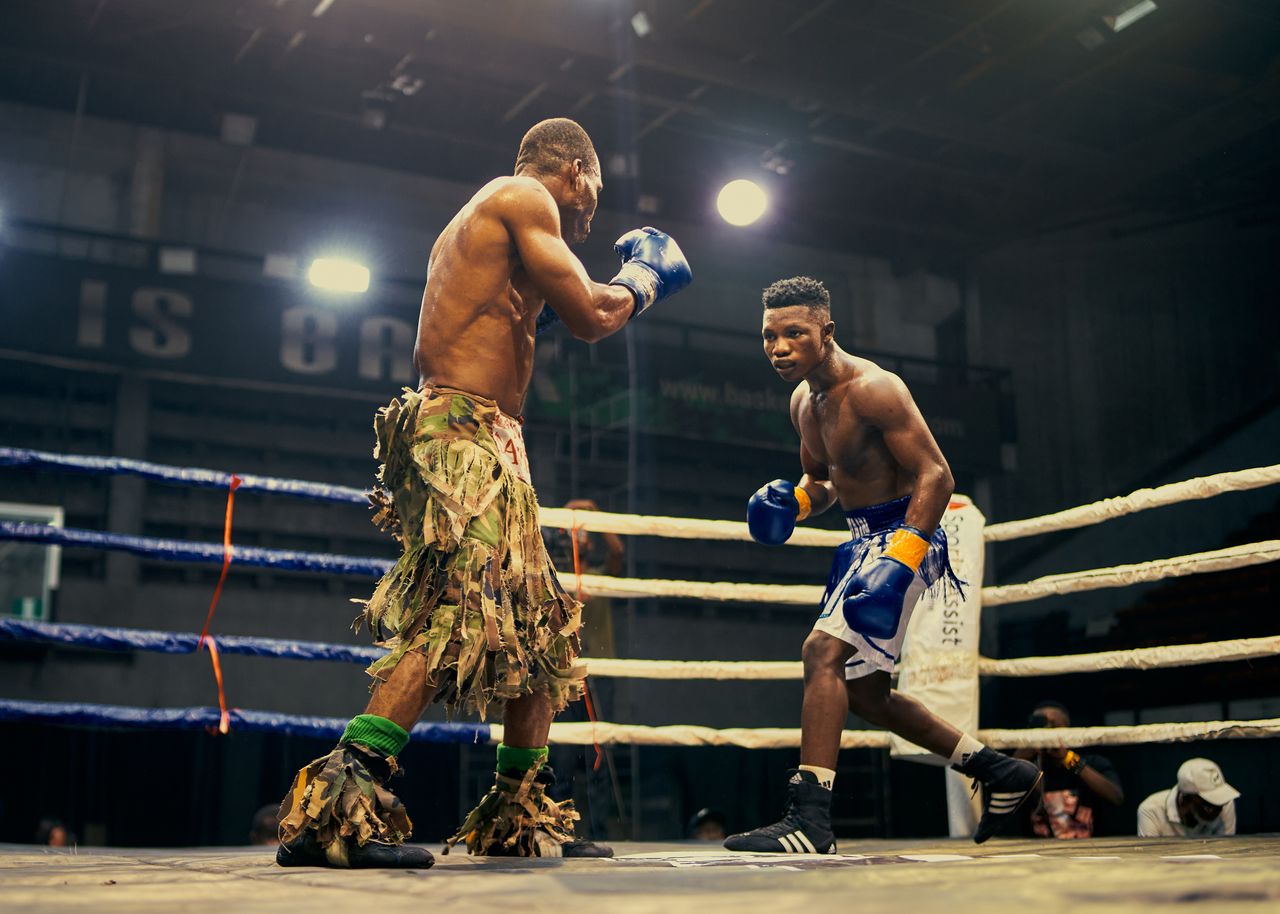
Joe Louis vs Max Schmeling became one of boxing’s most important rivalries because the two fights grew far beyond the heavyweight division. Their first meeting in 1936 was a major sporting upset, with Schmeling studying Louis carefully and handing him his first professional defeat. Their rematch in 1938 carried a much larger meaning. Louis was a Black American champion fighting in a country still shaped by segregation, while Schmeling was a German former champion whose image had been pulled into the politics of Nazi Germany. By the time Louis entered the ring for the second fight, the bout had become a global symbol of pressure, identity, and the power of sport before World War II.
Max Schmeling Found the Opening Before the World Found the Symbol
Before the rivalry became a political landmark, it began as a boxing problem. Joe Louis was young, powerful, and already viewed as the future of the heavyweight division. His punching accuracy, calm finishing ability, and disciplined combinations made him look like a fighter moving faster than the rest of the field could adjust.
Max Schmeling saw something others had missed. He noticed that Louis often dropped his left hand after throwing a jab, leaving a narrow but real opening for a counter right. In their 1936 fight at Yankee Stadium, Schmeling built his plan around that flaw. He did not simply survive Louis. He timed him, hurt him, and eventually knocked him out in the 12th round.
That result changed both careers. For Schmeling, it restored his status as a major heavyweight figure. For Louis, it became the defeat that followed him even after he won the heavyweight championship from James J. Braddock in 1937. Louis had the title, but he had not yet solved Schmeling. In boxing terms, the rematch mattered because the champion still had an unanswered question in his record.
Joe Louis vs Max Schmeling Became Bigger Than the Heavyweight Title
By 1938, Joe Louis vs Max Schmeling was no longer only about technique or rankings. The world around the fight had changed. Nazi Germany had turned Schmeling into a useful public symbol, even though Schmeling’s personal life and later actions did not fit neatly into propaganda. In the United States, Louis carried a different burden. He was a Black champion in a segregated country, yet millions of Americans looked to him as the fighter representing the nation against Germany.
That pressure made the rematch at Yankee Stadium feel unlike a normal title defense. Louis understood the stakes. He also understood the boxing lesson from the first fight. This time, he did not give Schmeling time to settle, study, or counter. Louis attacked with controlled urgency from the opening bell.
The fight lasted just over two minutes. Louis overwhelmed Schmeling with power shots, knocked him down repeatedly, and forced the stoppage in the first round. It was not a long tactical duel. It was a direct answer. Schmeling had exposed Louis in 1936; Louis erased the sporting question in 1938.
The speed of the result helped turn the fight into legend. A rivalry that had taken two years to build ended almost immediately, and that suddenness gave the rematch its lasting force.
Why the Louis-Schmeling Rematch Still Matters
The Louis-Schmeling rematch still matters because it shows how a boxing match can carry meaning without losing its sporting truth. Louis did not win because of symbolism. He won because he made the right adjustments, fought with precision, and refused to let Schmeling repeat the pattern from their first meeting. The larger history mattered, but the boxing mattered too.
Louis became a national figure in a way few athletes had before him. His victory was celebrated across racial lines in the United States, even though the country’s treatment of Black Americans remained deeply unequal. That contradiction is part of the story. Louis was embraced as an American symbol at a time when full equality was still denied to people who looked like him.
Schmeling’s legacy also became more complex than the political framing around the fight. He was associated internationally with Germany in the Nazi era, but his later reputation included acts of personal decency, including helping Jewish children during Kristallnacht. That does not remove the political weight of the 1938 fight, but it does make the rivalry more human than a simple hero-villain poster.
Joe Louis vs Max Schmeling remains one of the rare sports stories where the rematch was both a championship fight and a world event. Louis answered a loss, defended his title, and became part of a larger historical memory. The fight lasted only one round, but its meaning has lasted for generations.