MMA in Georgia is anchored by Atlanta, but the state’s scene is broader than one city. Georgia has the right ingredients for a durable fight culture: a major metropolitan market, strong regional promotions, access to the broader Southeast, wrestling and football athletes looking for competitive outlets, and gyms that connect amateur fighters to professional opportunities. It is not Florida or California in terms of elite camp density, but it is one of the more credible MMA states in the Southeast.
Atlanta gives Georgia its visibility. The UFC returned to State Farm Arena for UFC Fight Night: Usman vs. Buckley on June 14, 2025, a major card headlined by former welterweight champion Kamaru Usman against Joaquin Buckley. The event placed Atlanta back in the national MMA conversation and showed the city’s value as a large-arena fight market. Tapology listed the card with 13 MMA bouts, attendance of 17,204, and a live gate of more than $3.2 million, which reflects the city’s ability to support a major UFC night.
The state’s regional backbone is just as important. National Fighting Championship, based out of Atlanta, describes itself as a Southeast combat-sports promotion with more than 20 years of activity, hosting MMA, jiu-jitsu, Muay Thai, and kickboxing events. That matters because regional promotions are where most MMA scenes are actually built. Before a fighter becomes a UFC prospect, they need amateur bouts, local pro fights, short-notice opportunities, ticket-selling experience, and matchups against other developing athletes. Georgia has that kind of circuit, and it gives the state more depth than a place that only hosts occasional national shows.
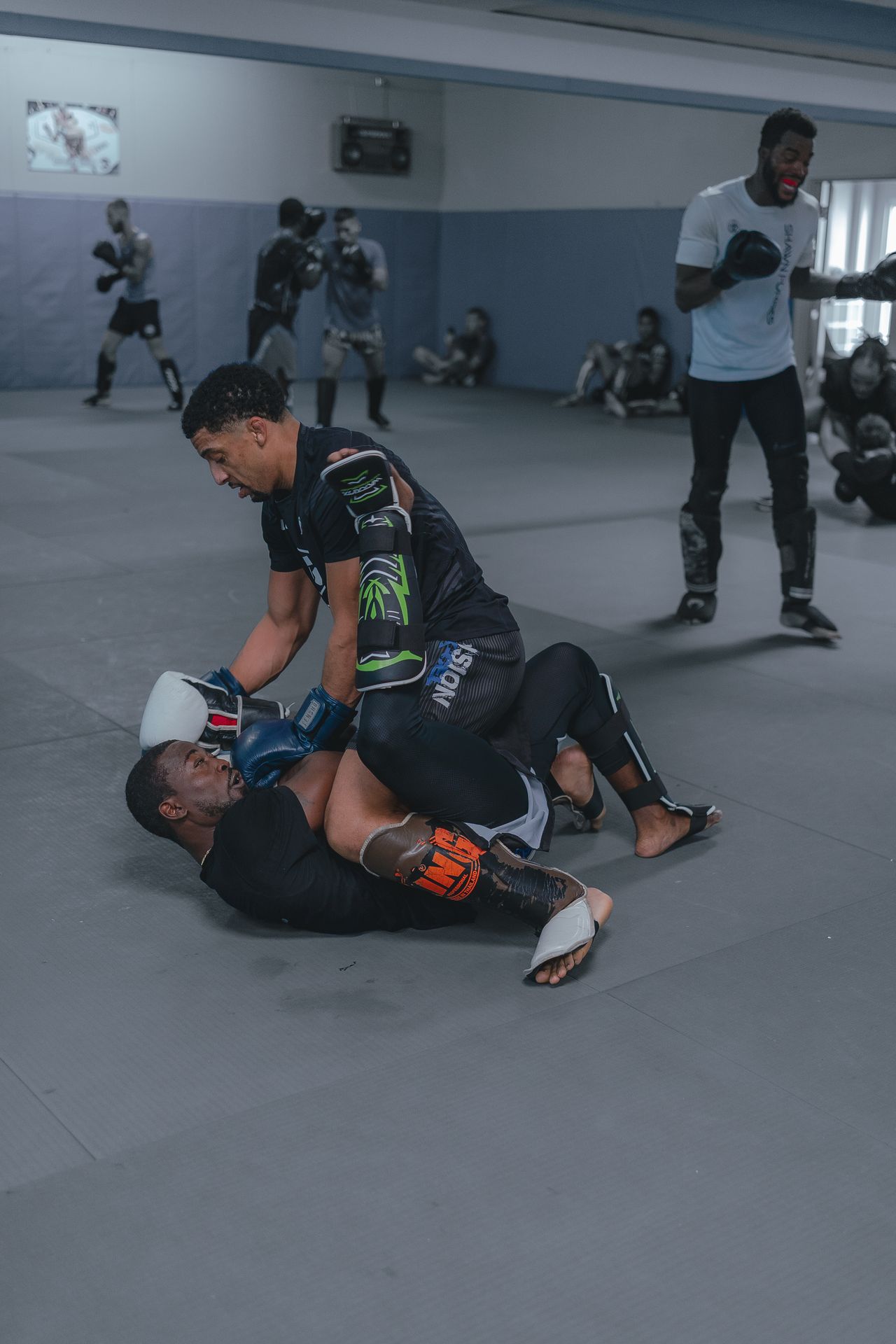
Georgia’s training identity is spread across Atlanta and its suburbs. American Top Team Atlanta gives the state a recognizable MMA brand, while Team Lima in Duluth connects the area to the Lima brothers and a serious professional combat-sports environment. These gyms reflect two different parts of Georgia’s fight ecosystem: the franchise-linked academy model and the fighter-led team model. The result is a scene where athletes can train striking, grappling, conditioning, and MMA-specific transitions without leaving the state.
Georgia’s MMA talent story is somewhat different from states that are built around a long list of locally born UFC stars. The state has produced and housed credible fighters, but its real strength may be developmental rather than mythic. Heavyweight Walt Harris has regional ties in the broader Deep South and fought in the UFC heavyweight division, while Atlanta-area gyms have been associated with fighters such as Dhiego Lima, Douglas Lima, Karl Williams, and Juan Puerta through local and regional training networks. The state’s identity is not one iconic champion carrying the flag. It is a steady competitive environment where athletes can climb from local cards to national organizations.
Regulation also gives Georgia’s scene structure. The Georgia Athletic and Entertainment Commission has separate rules chapters for amateur MMA, professional MMA, kickboxing, Muay Thai, boxing, and bare-knuckle boxing. A clear regulatory framework helps local promotions operate, gives athletes a licensing pathway, and makes the state viable for both amateur and professional events.
Georgia’s future in MMA depends on whether Atlanta continues to serve both roles: major-event city and developmental hub. The UFC can come through every few years and create a spike of attention, but the real scene is built between those arena nights. It lives in local promotions, suburban gyms, amateur cards, and fighters moving through the Southeast circuit. That makes Georgia a serious regional MMA state, especially for athletes who want access to a large city without leaving the Southeast.