Nashville boxing has never depended on being the loudest fight city in America. Its identity is more regional, more developmental, and more tied to the slow work of gyms than to a constant run of major championship nights. The city sits in the middle of a strong Southern sports corridor, close enough to Memphis, Atlanta, Louisville, Cincinnati, and other fight markets that Nashville boxers often grow through travel, tournaments, and regional matchmaking rather than a single dominant local circuit.
That gives boxing in Nashville a particular character. It is a city where the sport is often built through amateur programs, fitness boxing, small professional shows, youth development, and fighters who need to learn how to represent Middle Tennessee beyond their own gym walls. Nashville may be known worldwide for music, but its boxing scene is less about spectacle and more about discipline, patience, and the daily routine of training.
The best-known modern boxing connection around Nashville is Caleb Plant, the former super middleweight world champion from nearby Ashland City. Plant’s career matters because it gives Middle Tennessee a genuine elite-level boxing reference point. He was not simply a local prospect who had a few televised fights; he reached the top of the professional game, won a world title, and fought major names in one of boxing’s most competitive divisions. For a region that is not usually treated as one of America’s primary boxing capitals, that kind of success gives local fighters a visible example of how far the pathway can go.
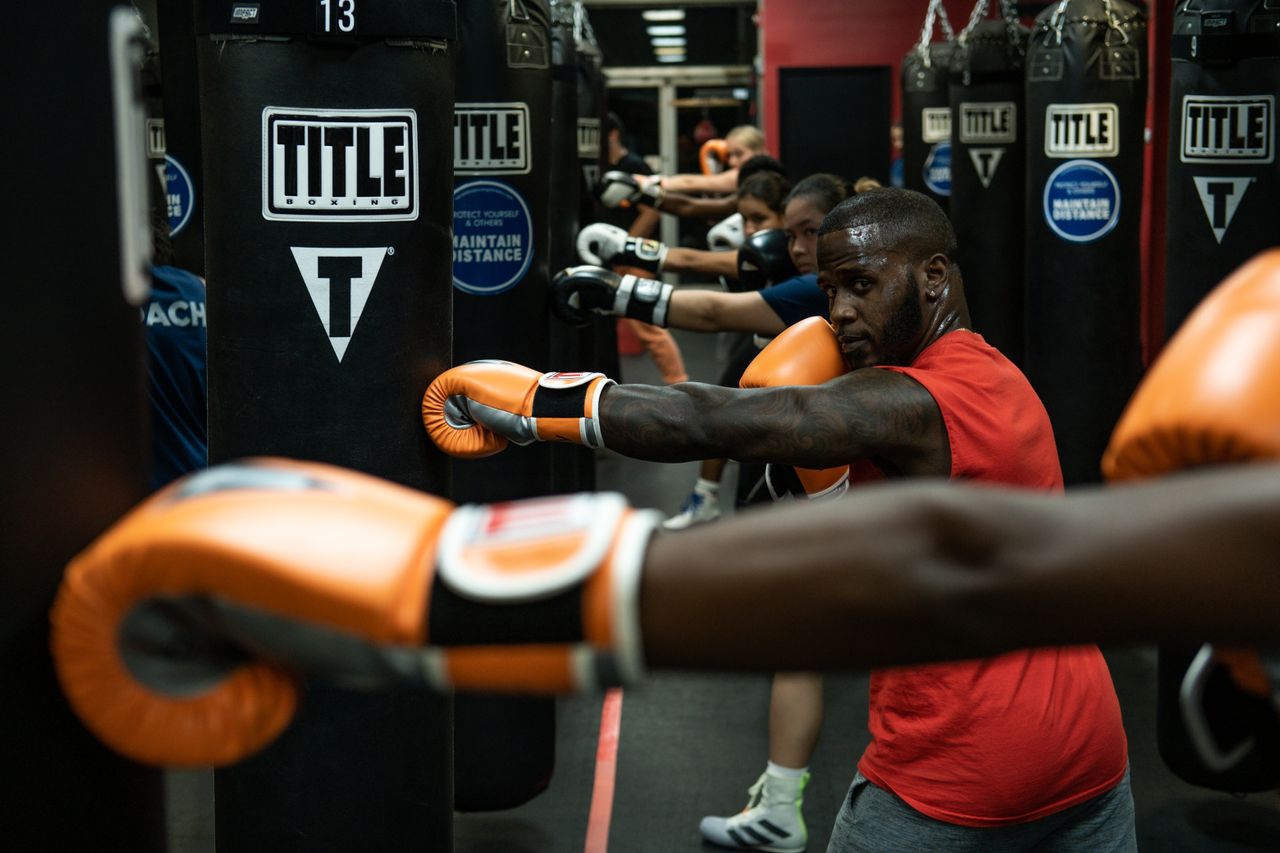
Nashville’s boxing infrastructure is built around gyms and coaches more than around a single famous arena. The city has clubs that serve different parts of the boxing audience: competitive amateurs, young fighters, adults learning the basics, and people using boxing as a serious conditioning discipline. Like many midsized American fight markets, the gap between recreational boxing and competitive boxing is important. A fitness boxing class can introduce someone to the rhythm of footwork, bag work, and defensive movement, but real competitive boxing requires sparring culture, coaching attention, amateur licensing, and regular tournament experience.
That distinction matters in Nashville because the city’s growth has brought more interest in combat sports overall. Boxing shares space with MMA, kickboxing, jiu-jitsu, and general strength-and-conditioning gyms. That can help the sport by bringing more people into striking training, but it also means traditional boxing gyms have to protect the craft. The best boxing environments still emphasize stance, balance, jab discipline, defense, controlled sparring, and the ability to think under pressure.
Amateur boxing is especially important to the Nashville scene. Young fighters need rounds, not just workouts. They need local shows, regional Golden Gloves-style tournaments, travel weekends, and coaches who understand how to build experience without rushing them. Nashville’s location helps here. Fighters can test themselves across Tennessee and the broader South, where boxing communities may be spread out but still connected through tournament calendars and club relationships.
Professionally, Nashville is more of a selective event market than a constant boxing destination. The city can host combat sports, and its entertainment economy gives it venues and audiences, but it is not Las Vegas, New York, Los Angeles, or Philadelphia. That means Nashville fighters often need to move through regional cards, undercards, and out-of-town opportunities. The city can produce boxers, but the professional ladder often extends beyond the city itself.
The future of boxing in Nashville depends on whether the city’s population growth translates into deeper boxing infrastructure. More residents can mean more gyms, more youth programs, more ticket buyers, and more athletes looking for individual sports outside the major school-team pipeline. The challenge is turning casual interest into a real fight culture. Boxing does not grow only because people like watching it. It grows when coaches, clubs, parents, amateurs, officials, promoters, and venues create a stable ecosystem.
Nashville’s boxing identity is still being written. It is not defined by one old fight district or a century-long championship tradition. It is defined by Middle Tennessee grit, regional ambition, and the possibility that a fighter from outside the usual boxing map can still reach the world stage. That makes Nashville less of a finished boxing capital and more of a developing Southern fight city with room to grow.