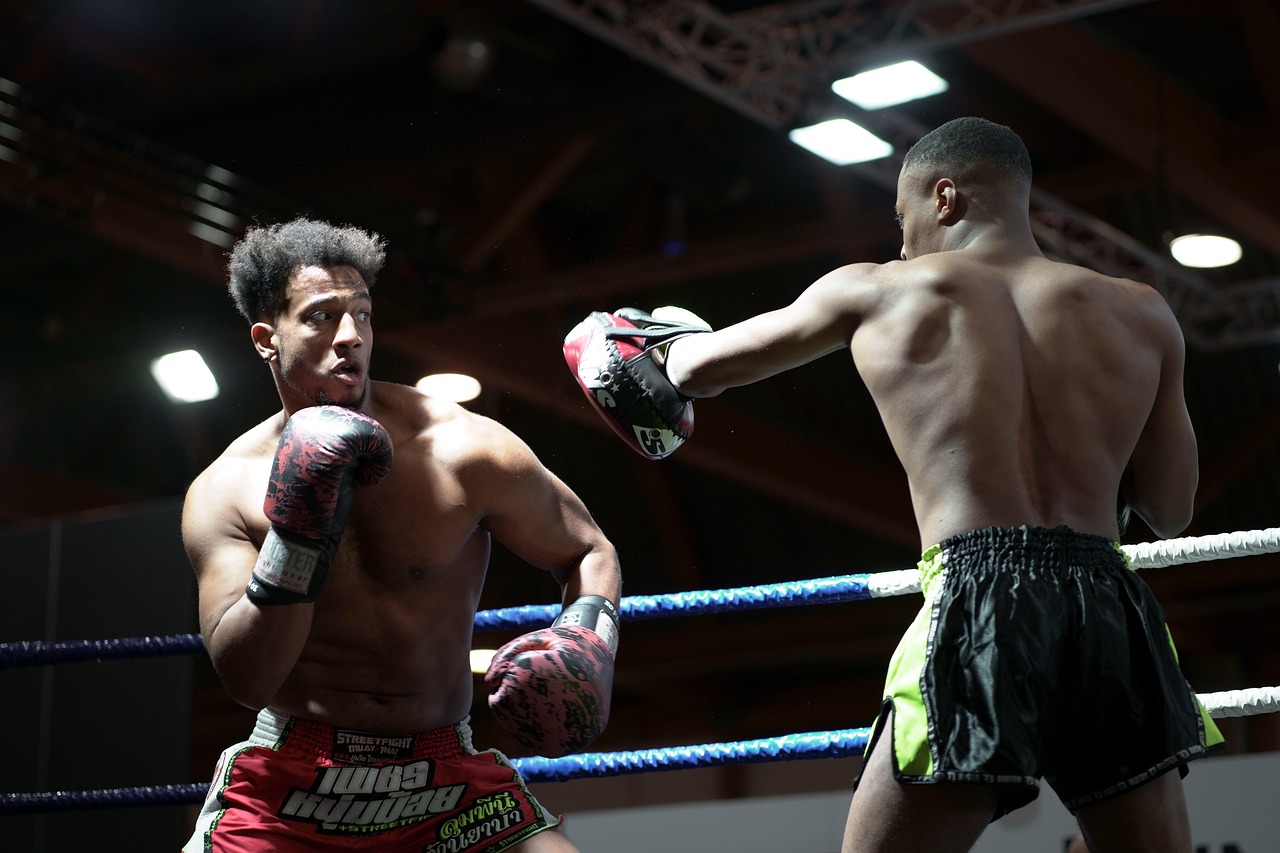
MMA in Tanzania is still a young scene, but it has a clearer structure than many casual observers might expect. The country’s combat-sports identity has traditionally been more visible through boxing, striking gyms, fitness clubs, and local martial arts training than through internationally famous MMA fighters. Modern MMA is beginning to organize around that base, especially in Dar es Salaam, where clubs and training spaces have started to combine Brazilian jiu-jitsu, kickboxing, boxing, Muay Thai, and mixed martial arts under one roof.
Tanzania’s most important MMA story is not yet a UFC breakthrough. It is the construction of an ecosystem. The Tanzania Mixed Martial Arts Federation describes its mission as developing and promoting MMA through governance, athlete opportunities, and a sustainable national MMA structure. That kind of institutional language matters in a country where the sport is still trying to move from scattered training activity into something more formal and competitive.
At the gym level, Dar es Salaam appears to be the center of gravity. MMA Dar has described itself as Tanzania’s first mixed martial arts club, offering BJJ, MMA, and kickboxing while also organizing events and social gatherings. Renegade Fight Academy Tanzania presents a modern mixed combat model as well, with MMA, Brazilian jiu-jitsu, Thai boxing, and boxing all part of its training identity.
That mix tells the real story of Tanzanian MMA. The scene is being built through hybrid training rather than through a long-established cage-fighting tradition. Fighters and coaches need striking, grappling, conditioning, and rules education to develop at the same time. In mature MMA markets, an athlete can move from wrestling to jiu-jitsu to an amateur show with a relatively clear path. In Tanzania, that pathway is still being assembled. The gyms that bring multiple disciplines together become especially important because they are not only training athletes; they are teaching what MMA actually requires.
The competitive pool is broad but still raw. Fighter databases list a large number of Tanzanian-associated MMA names, although many have limited or undeveloped pro records. That suggests activity and interest, but not yet a deep body of internationally tested fighters. The next step is quality control: more amateur bouts, better matchmaking, stronger officiating, and more chances for Tanzanian athletes to face opponents from Kenya, Uganda, South Africa, Egypt, Nigeria, Ghana, and the wider African circuit.
Tanzania’s advantage is its size, youth population, and existing sporting culture. Dar es Salaam can support a stronger combat-sports scene if gyms, promoters, and governing bodies continue to connect. Boxing gives the country a striking base. Kickboxing and Muay Thai can add range weapons. Brazilian jiu-jitsu and wrestling remain the biggest developmental needs, because MMA athletes who cannot defend takedowns or survive on the mat will struggle outside local competition.
The future of MMA in Tanzania is best understood as a buildout phase. It is not yet a major African MMA power, and it should not be described as one. But it does have the pieces of a real scene: urban gyms, organized federation language, multi-discipline training, and a growing list of athletes entering the sport. If those pieces mature into regular amateur competition and regional matchmaking, Tanzania could become one of East Africa’s more interesting MMA development markets.